
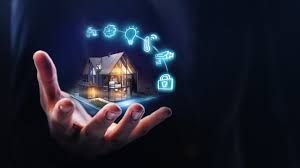
Smart home technology refers to the use of internet-connected devices and automated systems that control and monitor household functions such as lighting, security, temperature, entertainment, and appliances. These smart systems enable homeowners to manage their homes remotely using smartphones, voice assistants, sensors, or control panels. What began as a futuristic concept has now become a mainstream lifestyle upgrade, thanks to affordable smart devices, widespread high-speed internet, and rapid advancements in IoT (Internet of Things). The primary aim of smart home technology is to provide convenience, energy efficiency, security, and comfort. Whether it’s turning lights on with a voice command or setting the AC to turn on before you arrive home, smart homes make daily activities more seamless and personalized.
A smart home works through a combination of devices, sensors, connectivity protocols, automation rules, and a central controlling system. Smart devices such as bulbs, locks, thermostats, and cameras are embedded with sensors that detect motion, temperature, or occupancy. These devices communicate with each other using wireless protocols like Wi-Fi, Bluetooth Low Energy (BLE), Zigbee, Thread, and Z-Wave. A central hub or ecosystem—such as Amazon Alexa, Google Home, Apple HomeKit, or Samsung SmartThings—acts as the command center of a smart home. These platforms connect devices, integrate automation routines, and allow users to control everything through apps or voice assistants. Cloud computing plays a major role as well, offering remote access and AI-driven recommendations. Together, these components create a seamless system where devices work collaboratively to enhance user experience.
Smart home ecosystems include a wide range of devices, each serving specific needs. Smart lighting allows users to dim lights, change colors, and schedule on/off routines automatically. Smart thermostats optimize temperature settings based on user habits, reducing energy waste. Smart locks and video doorbells enhance security by providing remote access control, visitor monitoring, and motion alerts. Security cameras record live footage and detect unusual activities. Smart speakers like Amazon Echo or Google Nest serve as the voice-controlled hubs for automation and entertainment. Smart plugs convert traditional appliances into intelligent devices that can be scheduled or monitored. Smart appliances such as refrigerators, washing machines, and ovens now come equipped with sensors and AI to improve efficiency. These devices collectively transform a traditional home into an interconnected smart environment.
Automation is the heart of smart home technology. Users can create routines like “Good Morning” that turn on lights, start a coffee maker, adjust the thermostat, and play music—all with a single command. AI enhances these routines by learning user behavior. For example, a smart thermostat may automatically lower the temperature when no one is home. Smart home AI can also analyze daily habits and propose energy-saving suggestions. Voice control has further revolutionized smart home usage. Assistants like Alexa, Google Assistant, and Siri allow users to manage devices hands-free, making smart homes more accessible and user-friendly. Through natural language processing (NLP), these assistants understand contextual commands such as “dim the living room lights” or “lock all doors,” creating an intuitive and seamless smart environment.
Connectivity is one of the most crucial aspects of smart home technology. Reliable internet ensures uninterrupted communication between devices and cloud platforms. Smart homes operate on multiple connectivity standards. Wi-Fi is commonly used due to its high bandwidth, ideal for cameras and smart TVs. Zigbee and Z-Wave are low-power mesh networks suitable for sensors, locks, and lights. Thread is an emerging protocol used in next-gen smart devices for improved speed and energy efficiency. The rise of Matter, a universal smart home standard, aims to solve compatibility issues by ensuring all devices work across ecosystems, regardless of brand. With proper connectivity, smart home devices function smoothly and reduce the complexity that arises from multiple manufacturers and protocols. This harmonization marks a major shift toward user-friendly smart home experiences.
Smart homes offer several practical benefits across convenience, energy savings, security, and comfort. Automation reduces repetitive tasks, allowing users to schedule actions, control devices remotely, and manage energy consumption intelligently. Smart lights and thermostats cut electricity bills by optimizing usage. Security features like video doorbells, motion sensors, and smart locks provide real-time insights into home safety. Smart home alerts notify users about fire, water leakage, or suspicious activity, making the home safer and more proactive. Comfort is another significant advantage—smart speakers can set mood lighting, play music, or adjust room temperature to enhance relaxation. For elderly or physically challenged individuals, smart homes offer assistive technology that improves accessibility and independence. Overall, smart homes enhance quality of life and create modern living environments optimized for efficiency and personalization.
Despite their many benefits, smart homes come with challenges and risks that users need to understand. Privacy and security concerns are at the top of the list. Since smart devices collect and transmit data, they can be vulnerable to hacking if not properly secured. Users must rely on manufacturers to implement strong encryption and follow security best practices. Compatibility issues can also arise, as certain devices only support specific ecosystems. This fragmentation can make setup complicated. Another challenge is internet dependency—without stable connectivity, some devices may stop functioning or lose remote access features. Maintenance and updates are essential, as outdated firmware can create vulnerabilities. Additionally, the cost of upgrading traditional appliances to smart versions can be a financial barrier. Understanding these challenges helps users implement smart home systems more safely and effectively.
The future of smart homes is being shaped by advancements in AI, IoT, robotics, and sustainable technologies. AI-driven personalization will enable homes to predict user needs more accurately. Smart energy grids will integrate solar power, EV charging, and connected appliances to reduce carbon footprints. Robotic home assistants, such as cleaning robots and AI companions, will become more sophisticated. Augmented Reality (AR) may be used for virtual interior design, appliance management, or interactive home controls. Homes will also become more health-focused, with smart air purifiers, sleep trackers, and environmental sensors. The rise of ultra-fast 5G connectivity will enable real-time automation and low-latency communication for complex smart systems. As smart home ecosystems evolve, they will become more autonomous, environmentally conscious, and deeply integrated with daily life.
Smart home technology marks a significant shift in how people interact with their living environments. By blending IoT, AI, automation, and modern connectivity, smart homes offer a futuristic yet practical lifestyle upgrade. They enhance safety, convenience, efficiency, and comfort while providing users full control over their surroundings. Although challenges like privacy and compatibility remain, improvements in standards like Matter and advancements in cybersecurity are addressing these issues. As the world embraces digital transformation, smart homes will continue to grow into intelligent, interconnected ecosystems. For beginners, understanding the fundamentals of smart home technology opens the door to endless possibilities—from DIY automation projects to careers in IoT, home automation development, and system integration. Smart homes represent not just a trend but the future of modern living.
A smart home works through a combination of devices, sensors, connectivity protocols, automation rules, and a central controlling system. Smart devices such as bulbs, locks, thermostats, and cameras are embedded with sensors that detect motion, temperature, or occupancy. These devices communicate with each other using wireless protocols like Wi-Fi, Bluetooth Low Energy (BLE), Zigbee, Thread, and Z-Wave. A central hub or ecosystem—such as Amazon Alexa, Google Home, Apple HomeKit, or Samsung SmartThings—acts as the command center of a smart home. These platforms connect devices, integrate automation routines, and allow users to control everything through apps or voice assistants. Cloud computing plays a major role as well, offering remote access and AI-driven recommendations. Together, these components create a seamless system where devices work collaboratively to enhance user experience.
Smart home ecosystems include a wide range of devices, each serving specific needs. Smart lighting allows users to dim lights, change colors, and schedule on/off routines automatically. Smart thermostats optimize temperature settings based on user habits, reducing energy waste. Smart locks and video doorbells enhance security by providing remote access control, visitor monitoring, and motion alerts. Security cameras record live footage and detect unusual activities. Smart speakers like Amazon Echo or Google Nest serve as the voice-controlled hubs for automation and entertainment. Smart plugs convert traditional appliances into intelligent devices that can be scheduled or monitored. Smart appliances such as refrigerators, washing machines, and ovens now come equipped with sensors and AI to improve efficiency. These devices collectively transform a traditional home into an interconnected smart environment.
Automation is the heart of smart home technology. Users can create routines like “Good Morning” that turn on lights, start a coffee maker, adjust the thermostat, and play music—all with a single command. AI enhances these routines by learning user behavior. For example, a smart thermostat may automatically lower the temperature when no one is home. Smart home AI can also analyze daily habits and propose energy-saving suggestions. Voice control has further revolutionized smart home usage. Assistants like Alexa, Google Assistant, and Siri allow users to manage devices hands-free, making smart homes more accessible and user-friendly. Through natural language processing (NLP), these assistants understand contextual commands such as “dim the living room lights” or “lock all doors,” creating an intuitive and seamless smart environment.
Connectivity is one of the most crucial aspects of smart home technology. Reliable internet ensures uninterrupted communication between devices and cloud platforms. Smart homes operate on multiple connectivity standards. Wi-Fi is commonly used due to its high bandwidth, ideal for cameras and smart TVs. Zigbee and Z-Wave are low-power mesh networks suitable for sensors, locks, and lights. Thread is an emerging protocol used in next-gen smart devices for improved speed and energy efficiency. The rise of Matter, a universal smart home standard, aims to solve compatibility issues by ensuring all devices work across ecosystems, regardless of brand. With proper connectivity, smart home devices function smoothly and reduce the complexity that arises from multiple manufacturers and protocols. This harmonization marks a major shift toward user-friendly smart home experiences.
Smart homes offer several practical benefits across convenience, energy savings, security, and comfort. Automation reduces repetitive tasks, allowing users to schedule actions, control devices remotely, and manage energy consumption intelligently. Smart lights and thermostats cut electricity bills by optimizing usage. Security features like video doorbells, motion sensors, and smart locks provide real-time insights into home safety. Smart home alerts notify users about fire, water leakage, or suspicious activity, making the home safer and more proactive. Comfort is another significant advantage—smart speakers can set mood lighting, play music, or adjust room temperature to enhance relaxation. For elderly or physically challenged individuals, smart homes offer assistive technology that improves accessibility and independence. Overall, smart homes enhance quality of life and create modern living environments optimized for efficiency and personalization.
Despite their many benefits, smart homes come with challenges and risks that users need to understand. Privacy and security concerns are at the top of the list. Since smart devices collect and transmit data, they can be vulnerable to hacking if not properly secured. Users must rely on manufacturers to implement strong encryption and follow security best practices. Compatibility issues can also arise, as certain devices only support specific ecosystems. This fragmentation can make setup complicated. Another challenge is internet dependency—without stable connectivity, some devices may stop functioning or lose remote access features. Maintenance and updates are essential, as outdated firmware can create vulnerabilities. Additionally, the cost of upgrading traditional appliances to smart versions can be a financial barrier. Understanding these challenges helps users implement smart home systems more safely and effectively.
The future of smart homes is being shaped by advancements in AI, IoT, robotics, and sustainable technologies. AI-driven personalization will enable homes to predict user needs more accurately. Smart energy grids will integrate solar power, EV charging, and connected appliances to reduce carbon footprints. Robotic home assistants, such as cleaning robots and AI companions, will become more sophisticated. Augmented Reality (AR) may be used for virtual interior design, appliance management, or interactive home controls. Homes will also become more health-focused, with smart air purifiers, sleep trackers, and environmental sensors. The rise of ultra-fast 5G connectivity will enable real-time automation and low-latency communication for complex smart systems. As smart home ecosystems evolve, they will become more autonomous, environmentally conscious, and deeply integrated with daily life.
Smart home technology marks a significant shift in how people interact with their living environments. By blending IoT, AI, automation, and modern connectivity, smart homes offer a futuristic yet practical lifestyle upgrade. They enhance safety, convenience, efficiency, and comfort while providing users full control over their surroundings. Although challenges like privacy and compatibility remain, improvements in standards like Matter and advancements in cybersecurity are addressing these issues. As the world embraces digital transformation, smart homes will continue to grow into intelligent, interconnected ecosystems. For beginners, understanding the fundamentals of smart home technology opens the door to endless possibilities—from DIY automation projects to careers in IoT, home automation development, and system integration. Smart homes represent not just a trend but the future of modern living.