
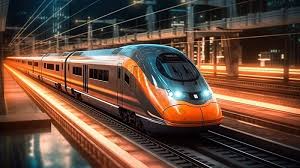
Rail and transportation safety systems use advanced technologies such as sensors, automation, communication networks, and AI to ensure secure and efficient movement of passengers and goods. With growing population and transportation demands, modern safety systems help prevent accidents, reduce delays, and improve operational reliability. This shift plays a major role in building smart mobility infrastructure across the world.
One core element is Automatic Train Protection (ATP), which ensures trains operate within safe speed limits and prevents human errors. Systems like Positive Train Control (PTC) and European Train Control System (ETCS) automatically apply brakes when detecting risky conditions, reducing chances of collisions and derailments. These technologies improve coordination and reduce dependence solely on manual control.
Track monitoring systems use smart sensors, drones, and AI-based analytics to detect cracks, obstructions, and rail wear. Real-time alerts allow maintenance crews to fix issues before they cause accidents. Condition monitoring also extends the life of railway infrastructure and ensures smoother operations with fewer disruptions.
Communication-Based Train Control (CBTC) is widely adopted in metro and high-speed railways. It enables precise location tracking of trains using wireless communication, allowing shorter safe distances between them. This increases track capacity, reduces waiting time, and improves scheduling accuracy — especially important in large urban transportation systems.
Passenger safety is enhanced through technologies like CCTV surveillance, biometric access control, and emergency response systems. AI-powered monitoring helps security teams identify unusual activities, unattended luggage, or aggressive behavior. Smart stations provide real-time announcements, crowd management, and accessibility support for elderly and disabled passengers.
Cybersecurity is a growing priority in transportation safety as rail networks become more digitized. Protecting control systems from hacking attempts is crucial because a cyberattack could halt services or cause dangerous disruptions. Secure communication protocols and intrusion detection systems safeguard critical infrastructure from emerging threats.
Environmental safety systems help prevent accidents caused by natural hazards such as landslides, floods, and earthquakes. Smart alarms, weather monitoring, and predictive analytics allow rail operators to take preventive actions like rerouting trains or slowing operations to avoid dangerous conditions. This ensures continuity even during extreme weather events.
Automation, such as driverless metros and smart signaling, relies heavily on safety validation and redundant systems to ensure reliability. Fail-safe mechanisms ensure that any technical fault results in safer outcomes rather than system failure. Continuous testing and regulatory compliance are mandatory before deploying automated rail systems.
In summary, rail and transportation safety systems are vital for modern infrastructure. Through real-time monitoring, automation, cybersecurity, and emergency response enhancements, technology ensures safe, efficient, and sustainable mobility. As railway systems continue to modernize, intelligent safety solutions will remain essential to protect passengers and support global transportation growth.
One core element is Automatic Train Protection (ATP), which ensures trains operate within safe speed limits and prevents human errors. Systems like Positive Train Control (PTC) and European Train Control System (ETCS) automatically apply brakes when detecting risky conditions, reducing chances of collisions and derailments. These technologies improve coordination and reduce dependence solely on manual control.
Track monitoring systems use smart sensors, drones, and AI-based analytics to detect cracks, obstructions, and rail wear. Real-time alerts allow maintenance crews to fix issues before they cause accidents. Condition monitoring also extends the life of railway infrastructure and ensures smoother operations with fewer disruptions.
Communication-Based Train Control (CBTC) is widely adopted in metro and high-speed railways. It enables precise location tracking of trains using wireless communication, allowing shorter safe distances between them. This increases track capacity, reduces waiting time, and improves scheduling accuracy — especially important in large urban transportation systems.
Passenger safety is enhanced through technologies like CCTV surveillance, biometric access control, and emergency response systems. AI-powered monitoring helps security teams identify unusual activities, unattended luggage, or aggressive behavior. Smart stations provide real-time announcements, crowd management, and accessibility support for elderly and disabled passengers.
Cybersecurity is a growing priority in transportation safety as rail networks become more digitized. Protecting control systems from hacking attempts is crucial because a cyberattack could halt services or cause dangerous disruptions. Secure communication protocols and intrusion detection systems safeguard critical infrastructure from emerging threats.
Environmental safety systems help prevent accidents caused by natural hazards such as landslides, floods, and earthquakes. Smart alarms, weather monitoring, and predictive analytics allow rail operators to take preventive actions like rerouting trains or slowing operations to avoid dangerous conditions. This ensures continuity even during extreme weather events.
Automation, such as driverless metros and smart signaling, relies heavily on safety validation and redundant systems to ensure reliability. Fail-safe mechanisms ensure that any technical fault results in safer outcomes rather than system failure. Continuous testing and regulatory compliance are mandatory before deploying automated rail systems.
In summary, rail and transportation safety systems are vital for modern infrastructure. Through real-time monitoring, automation, cybersecurity, and emergency response enhancements, technology ensures safe, efficient, and sustainable mobility. As railway systems continue to modernize, intelligent safety solutions will remain essential to protect passengers and support global transportation growth.