
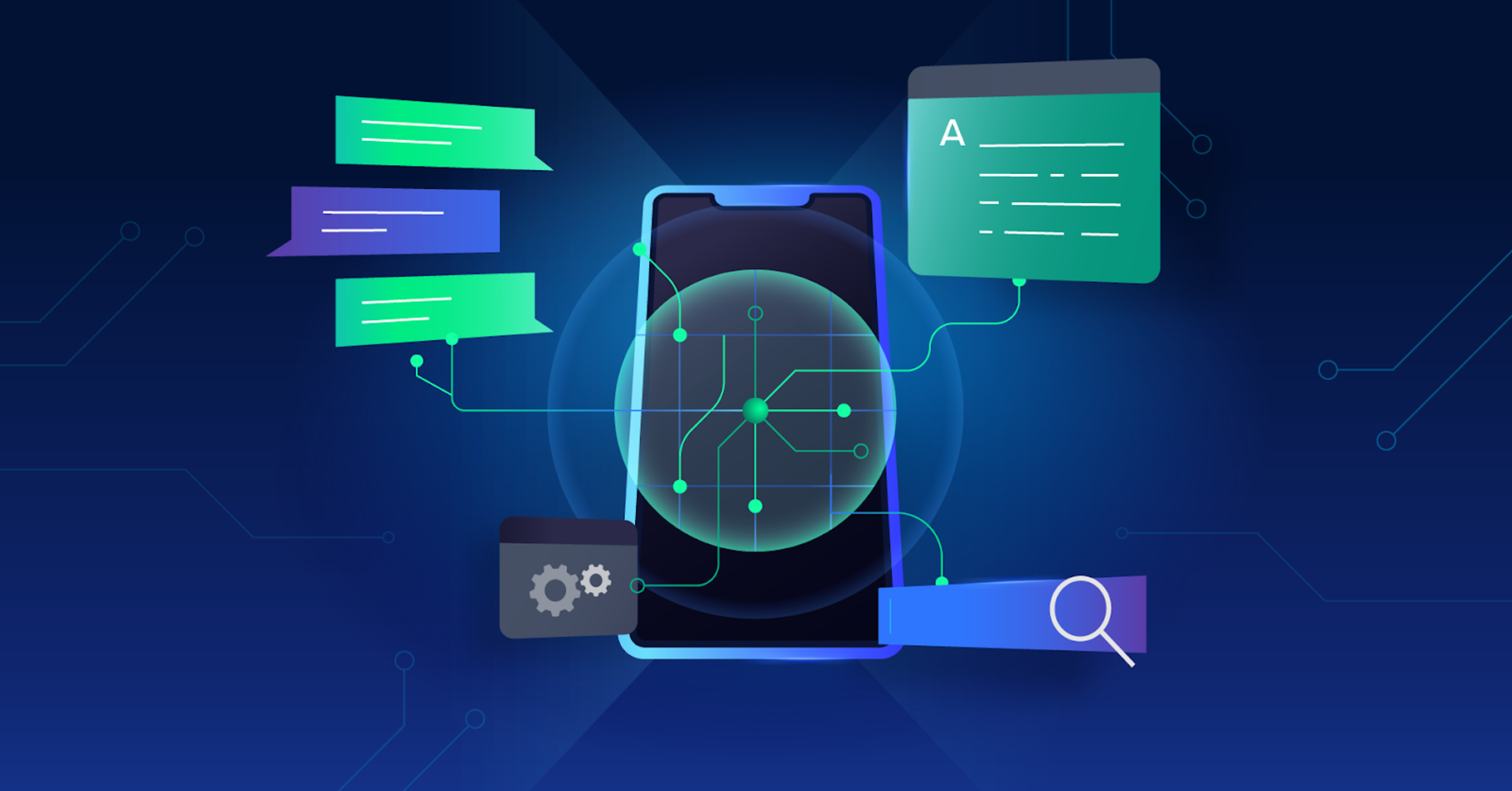
Predictive UX and anticipatory design focus on creating user experiences that proactively assist users by anticipating their needs before they take action. Powered by AI, behavioral modeling, and contextual awareness, this design approach reduces cognitive load and makes interactions faster and more meaningful.
Predictive UX uses past behavior and real-time signals—location, time, activity patterns—to offer intelligent suggestions. Examples include apps suggesting frequently visited places, recommending products, or auto-filling relevant information. This reduces effort and makes the experience more fluid.
Anticipatory design goes one step further by eliminating unnecessary decisions. Instead of presenting multiple options, the system chooses the best one based on user behavior. For example, a smart thermostat adjusts temperature automatically, or a streaming service auto-queues recommended content.
Context-awareness is essential for predictive UX. Systems must understand situational factors such as device type, current task, preferences, and environment. This helps tailor actions—for instance, reducing app complexity while driving or offering offline options in low-connectivity areas.
Ethics and user trust are critical. Predictive systems must not feel intrusive or manipulative. Users must understand why recommendations appear and have control to opt out. Transparency strengthens trust and prevents the “creepy factor” often associated with overly aggressive personalization.
AI plays a key role by analyzing behavior patterns, segmenting users, and optimizing UX flows. Machine learning models predict what users want based on historical actions, enabling faster task completion and a smoother journey through the interface.
Predictive UX also enhances accessibility by adapting experiences dynamically. For example, adjusting text size for low-light conditions or automatically simplifying navigation for users with cognitive impairments.
Challenges include incorrect predictions, bias in AI models, and over-reliance on automation. Designers must balance prediction accuracy with graceful fallbacks, ensuring users can easily override system decisions.
Predictive UX and anticipatory design represent the future of digital experiences—interfaces that feel smarter, more intuitive, and seamlessly aligned with human behavior. When executed responsibly, they reduce friction and create delightful, personalized interactions.
Predictive UX uses past behavior and real-time signals—location, time, activity patterns—to offer intelligent suggestions. Examples include apps suggesting frequently visited places, recommending products, or auto-filling relevant information. This reduces effort and makes the experience more fluid.
Anticipatory design goes one step further by eliminating unnecessary decisions. Instead of presenting multiple options, the system chooses the best one based on user behavior. For example, a smart thermostat adjusts temperature automatically, or a streaming service auto-queues recommended content.
Context-awareness is essential for predictive UX. Systems must understand situational factors such as device type, current task, preferences, and environment. This helps tailor actions—for instance, reducing app complexity while driving or offering offline options in low-connectivity areas.
Ethics and user trust are critical. Predictive systems must not feel intrusive or manipulative. Users must understand why recommendations appear and have control to opt out. Transparency strengthens trust and prevents the “creepy factor” often associated with overly aggressive personalization.
AI plays a key role by analyzing behavior patterns, segmenting users, and optimizing UX flows. Machine learning models predict what users want based on historical actions, enabling faster task completion and a smoother journey through the interface.
Predictive UX also enhances accessibility by adapting experiences dynamically. For example, adjusting text size for low-light conditions or automatically simplifying navigation for users with cognitive impairments.
Challenges include incorrect predictions, bias in AI models, and over-reliance on automation. Designers must balance prediction accuracy with graceful fallbacks, ensuring users can easily override system decisions.
Predictive UX and anticipatory design represent the future of digital experiences—interfaces that feel smarter, more intuitive, and seamlessly aligned with human behavior. When executed responsibly, they reduce friction and create delightful, personalized interactions.