
Model Performance Analytics focuses on measuring, monitoring, and analyzing how machine learning models behave once they are deployed in real-world environments. While models may perform well during training and validation, real-world conditions are often unpredictable. Continuous performance analytics ensures that models continue to deliver accurate, reliable, and meaningful results over time.
Traditional model evaluation is usually limited to pre-deployment testing using historical datasets. However, after deployment, models encounter changing user behavior, evolving data patterns, and new edge cases. Model performance analytics bridges this gap by continuously assessing how models respond to live data and real operational conditions.
A wide range of metrics is monitored in production to understand model behavior comprehensively. These include accuracy, precision, recall, prediction confidence, latency, throughput, and error rates. Together, these metrics provide insights into both the quality of predictions and the overall system performance experienced by users.
Performance analytics also plays a critical role in ensuring fairness and ethical AI usage. By tracking model performance across different user groups, demographics, or data segments, organizations can detect bias and unintended disparities. This monitoring helps maintain responsible AI practices, especially in sensitive and regulated domains.
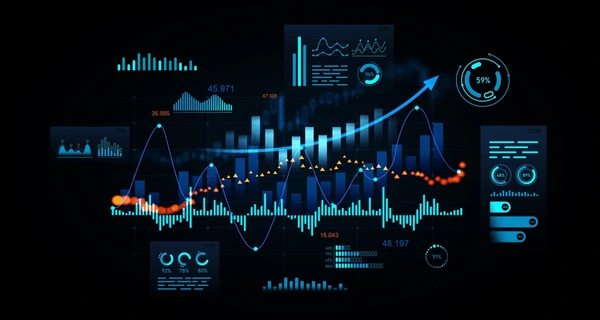
Visualization dashboards are essential tools for understanding model performance trends. Dashboards present metrics over time, highlight anomalies, and make complex model behavior easier to interpret. Clear visual insights allow teams to identify issues quickly and communicate findings across technical and business stakeholders.
Automated alerts and thresholds help detect performance degradation at an early stage. When metrics deviate from acceptable ranges, teams are notified immediately. Early detection reduces the risk of prolonged failures and prevents incorrect predictions from impacting users or business operations.
Insights from performance analytics directly guide model lifecycle decisions. Teams use these insights to determine when retraining is needed, whether features should be updated, or if a model should be replaced entirely. This data-driven approach ensures continuous improvement rather than reactive fixes.
Model performance analytics also supports transparency and accountability. Maintaining logs, metrics, and historical performance records helps organizations explain model behavior and demonstrate compliance with regulatory requirements. This is especially important in industries where AI decisions must be auditable.
Overall, Model Performance Analytics ensures long-term trust and reliability of machine learning systems in production. By continuously monitoring, analyzing, and improving deployed models, organizations can confidently scale AI solutions while maintaining high standards of performance and responsibility.
Traditional model evaluation is usually limited to pre-deployment testing using historical datasets. However, after deployment, models encounter changing user behavior, evolving data patterns, and new edge cases. Model performance analytics bridges this gap by continuously assessing how models respond to live data and real operational conditions.
A wide range of metrics is monitored in production to understand model behavior comprehensively. These include accuracy, precision, recall, prediction confidence, latency, throughput, and error rates. Together, these metrics provide insights into both the quality of predictions and the overall system performance experienced by users.
Performance analytics also plays a critical role in ensuring fairness and ethical AI usage. By tracking model performance across different user groups, demographics, or data segments, organizations can detect bias and unintended disparities. This monitoring helps maintain responsible AI practices, especially in sensitive and regulated domains.
Visualization dashboards are essential tools for understanding model performance trends. Dashboards present metrics over time, highlight anomalies, and make complex model behavior easier to interpret. Clear visual insights allow teams to identify issues quickly and communicate findings across technical and business stakeholders.
Automated alerts and thresholds help detect performance degradation at an early stage. When metrics deviate from acceptable ranges, teams are notified immediately. Early detection reduces the risk of prolonged failures and prevents incorrect predictions from impacting users or business operations.
Insights from performance analytics directly guide model lifecycle decisions. Teams use these insights to determine when retraining is needed, whether features should be updated, or if a model should be replaced entirely. This data-driven approach ensures continuous improvement rather than reactive fixes.
Model performance analytics also supports transparency and accountability. Maintaining logs, metrics, and historical performance records helps organizations explain model behavior and demonstrate compliance with regulatory requirements. This is especially important in industries where AI decisions must be auditable.
Overall, Model Performance Analytics ensures long-term trust and reliability of machine learning systems in production. By continuously monitoring, analyzing, and improving deployed models, organizations can confidently scale AI solutions while maintaining high standards of performance and responsibility.