
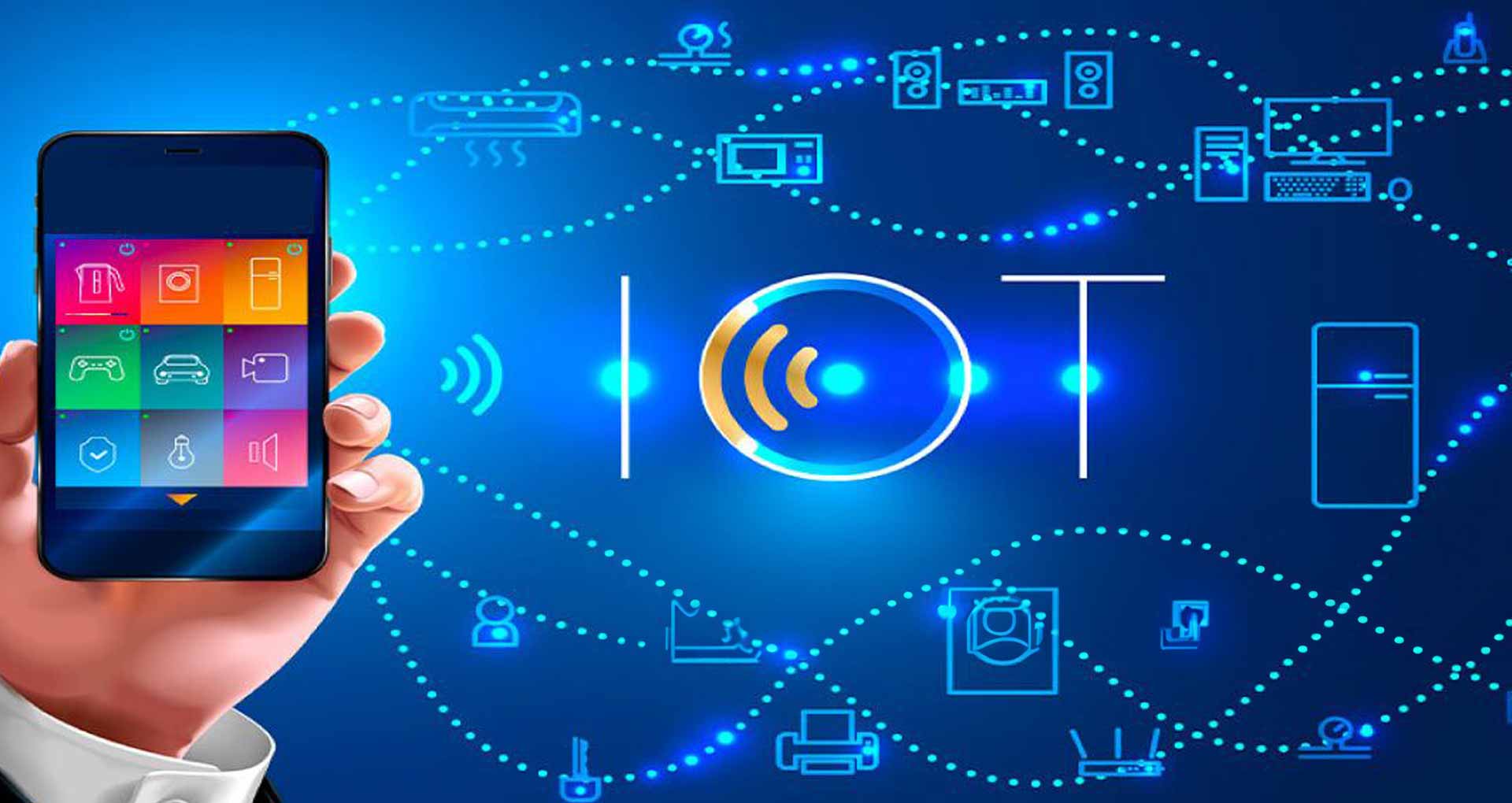
IoT (Internet of Things) connectivity with mobile apps enables users to control and monitor smart devices through their smartphones. Mobile applications serve as the main interface for communicating with IoT devices such as home automation systems, wearables, healthcare sensors, and industrial machinery. This connectivity creates seamless interaction between digital systems and the physical world, making everyday tasks smarter and more efficient.
IoT communication relies on various wireless technologies such as Wi-Fi, Bluetooth Low Energy (BLE), NFC, Zigbee, and cellular networks. Mobile apps collect data from sensors, send commands to devices, and connect to cloud services for deeper analytics. This continuous exchange of information allows real-time monitoring of device performance, environment conditions, and user activities.
Mobile apps often use protocols like MQTT, HTTP, and WebSockets to communicate with the cloud and IoT devices. MQTT is preferred for IoT because it supports lightweight messaging and fast transmission even with low bandwidth. This enables mobile apps to stay responsive and reliable in smart environments where many devices operate together.
Cloud platforms such as Firebase IoT, AWS IoT Core, Azure IoT Hub, and Google Cloud IoT play a critical role in managing connected devices securely. These platforms store data, perform analytics, and trigger automated actions like alerts or device control. Mobile apps access this cloud information to provide visual dashboards, notifications, and insights to users.
Security is a major concern in IoT-enabled mobile apps. Devices often transmit sensitive information including personal identity, health status, or location data. Developers must ensure encryption, secure authentication, and protection against unauthorized access to safeguard both devices and users. A small vulnerability in one device can expose an entire network.
IoT connectivity enhances automation capabilities. For example, smart home apps allow users to control lighting, appliances, and security systems using their phone. In healthcare, wearables track heart rate and physical activity, sending data to medical apps for diagnosis. In agriculture, IoT-based apps help farmers monitor soil moisture and water crops automatically.
Mobile apps are also essential for configuration and personalization of IoT devices. The first setup process, firmware updates, connectivity testing, and sensor calibration are all managed through the app interface. This reduces the complexity for end-users and ensures frictionless control over their devices.
Developers must focus on performance optimization because IoT interactions require low latency and real-time responses. Mobile apps must balance battery consumption, network usage, and secure communication while always maintaining connectivity with remote devices. Techniques like data throttling, offline caching, and background services improve efficiency.
The future of IoT connectivity with mobile apps includes edge computing, AI-based automation, and smarter voice-based interactions using assistants like Alexa, Google Assistant, and Siri. As more devices become connected globally, mobile apps will continue to act as the central hub for controlling and enriching the smart ecosystems of homes, industries, and cities.
IoT communication relies on various wireless technologies such as Wi-Fi, Bluetooth Low Energy (BLE), NFC, Zigbee, and cellular networks. Mobile apps collect data from sensors, send commands to devices, and connect to cloud services for deeper analytics. This continuous exchange of information allows real-time monitoring of device performance, environment conditions, and user activities.
Mobile apps often use protocols like MQTT, HTTP, and WebSockets to communicate with the cloud and IoT devices. MQTT is preferred for IoT because it supports lightweight messaging and fast transmission even with low bandwidth. This enables mobile apps to stay responsive and reliable in smart environments where many devices operate together.
Cloud platforms such as Firebase IoT, AWS IoT Core, Azure IoT Hub, and Google Cloud IoT play a critical role in managing connected devices securely. These platforms store data, perform analytics, and trigger automated actions like alerts or device control. Mobile apps access this cloud information to provide visual dashboards, notifications, and insights to users.
Security is a major concern in IoT-enabled mobile apps. Devices often transmit sensitive information including personal identity, health status, or location data. Developers must ensure encryption, secure authentication, and protection against unauthorized access to safeguard both devices and users. A small vulnerability in one device can expose an entire network.
IoT connectivity enhances automation capabilities. For example, smart home apps allow users to control lighting, appliances, and security systems using their phone. In healthcare, wearables track heart rate and physical activity, sending data to medical apps for diagnosis. In agriculture, IoT-based apps help farmers monitor soil moisture and water crops automatically.
Mobile apps are also essential for configuration and personalization of IoT devices. The first setup process, firmware updates, connectivity testing, and sensor calibration are all managed through the app interface. This reduces the complexity for end-users and ensures frictionless control over their devices.
Developers must focus on performance optimization because IoT interactions require low latency and real-time responses. Mobile apps must balance battery consumption, network usage, and secure communication while always maintaining connectivity with remote devices. Techniques like data throttling, offline caching, and background services improve efficiency.
The future of IoT connectivity with mobile apps includes edge computing, AI-based automation, and smarter voice-based interactions using assistants like Alexa, Google Assistant, and Siri. As more devices become connected globally, mobile apps will continue to act as the central hub for controlling and enriching the smart ecosystems of homes, industries, and cities.