
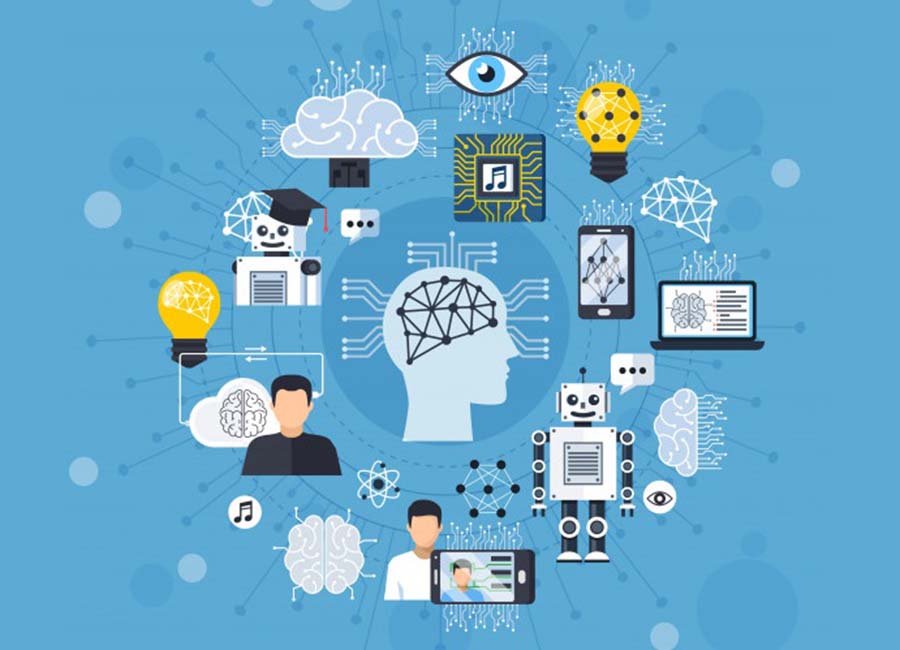
Emotion-aware mobile applications use artificial intelligence to detect, interpret, and respond to users’ emotional states, creating experiences that feel more empathetic and human-centered. Rather than treating every interaction as purely functional, these apps adapt their behavior based on how users feel, aiming to improve well-being, engagement, and overall satisfaction.
These applications infer emotions through a combination of behavioral and sensor-based signals. Common inputs include facial expressions captured through device cameras, voice tone and speech patterns, typing speed, touch pressure on screens, and interaction behaviors such as repeated actions or hesitation. By combining multiple signals, AI systems gain a more accurate understanding of a user’s emotional context.
Machine learning and deep learning models process these signals in real time to identify emotional states such as stress, frustration, happiness, boredom, or engagement. Continuous learning allows the system to refine its predictions as it observes more user interactions, improving emotional accuracy and responsiveness over time.
Once an emotional state is detected, the app dynamically adapts its content and interface. Notifications may be reduced or delayed during stressful moments, while interface complexity can be simplified to lower cognitive load. When positive emotions are detected, the app may introduce new features, challenges, or content to sustain engagement.
A practical example is stress detection. If the app identifies elevated stress levels, it may offer calming suggestions such as breathing exercises, mindfulness prompts, or short breaks. This responsive behavior helps users feel supported rather than overwhelmed by the technology they are using.
In educational applications, emotion awareness enables adaptive learning experiences. When learners show signs of confusion or frustration, the app can slow down content delivery, provide additional explanations, or adjust difficulty levels. This personalized emotional support enhances comprehension and reduces learning fatigue.
Mental health and wellness applications benefit significantly from emotion-aware features. These apps can provide timely interventions, emotional check-ins, or supportive messages when users exhibit signs of distress. Early detection of emotional changes allows for proactive care and improved emotional well-being.
Ethical design is critical in emotion-aware mobile applications. User consent, transparency in data usage, and strong privacy protections must be embedded into the system. Emotion data is highly sensitive, and responsible handling is essential to maintain trust and prevent misuse.
Overall, emotion-aware mobile applications create more personalized, supportive, and engaging user experiences. By integrating emotional intelligence into mobile design, these apps move beyond functionality to form meaningful, human-like digital interactions that prioritize user well-being
These applications infer emotions through a combination of behavioral and sensor-based signals. Common inputs include facial expressions captured through device cameras, voice tone and speech patterns, typing speed, touch pressure on screens, and interaction behaviors such as repeated actions or hesitation. By combining multiple signals, AI systems gain a more accurate understanding of a user’s emotional context.
Machine learning and deep learning models process these signals in real time to identify emotional states such as stress, frustration, happiness, boredom, or engagement. Continuous learning allows the system to refine its predictions as it observes more user interactions, improving emotional accuracy and responsiveness over time.
Once an emotional state is detected, the app dynamically adapts its content and interface. Notifications may be reduced or delayed during stressful moments, while interface complexity can be simplified to lower cognitive load. When positive emotions are detected, the app may introduce new features, challenges, or content to sustain engagement.
A practical example is stress detection. If the app identifies elevated stress levels, it may offer calming suggestions such as breathing exercises, mindfulness prompts, or short breaks. This responsive behavior helps users feel supported rather than overwhelmed by the technology they are using.
In educational applications, emotion awareness enables adaptive learning experiences. When learners show signs of confusion or frustration, the app can slow down content delivery, provide additional explanations, or adjust difficulty levels. This personalized emotional support enhances comprehension and reduces learning fatigue.
Mental health and wellness applications benefit significantly from emotion-aware features. These apps can provide timely interventions, emotional check-ins, or supportive messages when users exhibit signs of distress. Early detection of emotional changes allows for proactive care and improved emotional well-being.
Ethical design is critical in emotion-aware mobile applications. User consent, transparency in data usage, and strong privacy protections must be embedded into the system. Emotion data is highly sensitive, and responsible handling is essential to maintain trust and prevent misuse.
Overall, emotion-aware mobile applications create more personalized, supportive, and engaging user experiences. By integrating emotional intelligence into mobile design, these apps move beyond functionality to form meaningful, human-like digital interactions that prioritize user well-being