
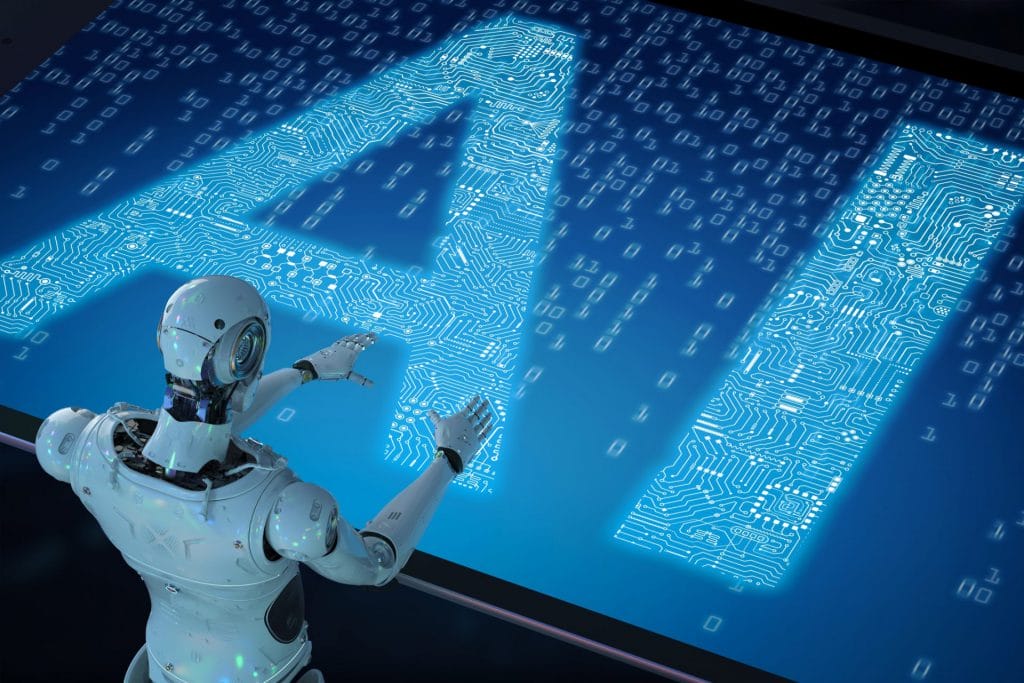
Over the past few years, the world’s largest technology companies—Google, Microsoft, Amazon, Meta, Apple, Tesla, and others—have undergone a profound transformation: they are evolving from digital service providers into AI-first powerhouses. This shift is not a branding exercise but a fundamental rewiring of their business models, product strategies, and long-term vision. Big Tech recognizes that artificial intelligence is no longer a secondary feature; it is the core engine driving innovation, productivity, automation, and user experience. The rise of generative AI, multimodal models, and large-scale automation has pushed companies to prioritize AI in every layer of their ecosystem—products, platforms, engineering, cloud infrastructure, and customer interaction. This transition marks a historic turning point, setting the stage for the next era of technological evolution.
One of the major reasons Big Tech is adopting AI-first models is the unprecedented demand for intelligent, real-time digital experiences. Users now expect personalized recommendations, predictive search, proactive assistants, conversational interfaces, and smart automation. Google’s “AI-first” approach has redefined search itself, shifting from keyword matching to understanding meaning through transformers and large language models. Microsoft has integrated AI into its entire ecosystem—Windows, Office, Azure, GitHub, and Dynamics—through copilots that enhance productivity across every workflow. Amazon uses AI to optimize logistics, automate warehouses, personalize shopping, and improve cloud services through AWS AI. Meta has transformed its content ranking, ad systems, and future metaverse plans around artificial intelligence. Big Tech now competes on a new metric: who can integrate AI more deeply and more intelligently.
At the heart of the AI-first movement are massive investments in infrastructure—data centers, GPUs, TPUs, high-speed networks, and distributed computing environments. AI workloads are extremely demanding, requiring exponential increases in processing power, storage, and energy. Companies like Google and Amazon are building custom AI chips (TPUs, Inferentia, Trainium) to reduce costs and accelerate model training. Meta and Microsoft have partnered with chip manufacturers to deploy specialized hardware across global data centers. This infrastructure arms race is essential because the most advanced AI models—multimodal LLMs, real-time vision systems, generative video models—need unprecedented computational power. Big Tech understands that controlling infrastructure gives them a long-term competitive advantage, allowing faster innovation, cheaper AI operations, and better performance.
The shift toward AI-first models also transforms how products are designed. Traditional software development relied on rule-based systems and manual programming. Now, the architecture of products is being rebuilt around AI agents, real-time inference, and autonomous decision-making. Google Maps uses AI to predict traffic, optimize routes, and recommend destinations. Netflix and YouTube use sophisticated AI models to personalize recommendations and improve viewer engagement. Apple integrates on-device machine learning into almost every feature—from face recognition to health monitoring. Microsoft’s AI copilots enhance productivity by summarizing documents, generating code, drafting emails, and automating tasks. These products are no longer static tools—they are adaptive systems that learn, evolve, and respond intelligently to user behavior.
The business models of Big Tech are evolving as well. AI is no longer an add-on service—it is the primary revenue engine. Cloud platforms like AWS, Azure, and Google Cloud have shifted their focus from storage and computing to AI platforms, foundation models, and enterprise AI solutions. Companies are monetizing AI through APIs, subscriptions, enterprise integrations, and AI copilots. Advertising platforms rely heavily on AI to understand user intent, measure relevance, and optimize bidding strategies. Even hardware businesses, such as Apple and Tesla, leverage AI to differentiate their products—whether through smart sensors, autonomous driving capabilities, or AI-powered user experiences. AI-first models open the door to new revenue channels, reduced operational costs, and stronger competitive moats.
However, the shift to AI-first is not without challenges. Big Tech faces growing scrutiny around data privacy, algorithmic transparency, ethical AI usage, and job displacement. As generative AI becomes more powerful, concerns rise over misinformation, deepfakes, privacy violations, and algorithmic bias. Governments are introducing stricter regulations, including the EU AI Act and global AI governance frameworks. Big Tech companies must invest heavily in responsible AI practices—data governance, fairness audits, adversarial testing, and safety research. Balancing innovation with regulation has become a central strategic challenge for every major tech company. Failure to manage ethical concerns could lead to legal, social, and reputational risks.
A major outcome of the AI-first shift is the rapid expansion of AI-powered automation across industries. Microsoft’s AI copilots automate enterprise workflows, Google’s AI tools simplify content creation, Amazon uses AI to manage supply chains, and Meta automates content moderation. Enterprises across finance, healthcare, manufacturing, and entertainment are adopting Big Tech’s AI tools, creating a ripple effect throughout the global economy. This large-scale automation has the potential to transform productivity, reduce repetitive workloads, and unlock new business efficiencies. At the same time, it forces organizations to rethink job roles, employee skills, and digital transformation strategies. The future workforce will collaborate with AI, making human-AI synergy a defining characteristic of the modern economy.
Looking ahead, Big Tech’s AI-first transformation is setting the foundation for the next technological leap: general AI agents, context-aware assistants, multimodal interfaces, real-time simulation environments, and AI-embedded operating systems. We are moving toward an era where operating systems, browsers, vehicles, wearables, and cloud platforms all function as intelligent, learning entities. Companies like Tesla push the boundaries of autonomous driving, Apple integrates AI deeply into on-device experiences, and Meta works toward AI-driven immersive environments. The competition among Big Tech will shape the trajectory of AI—its safety, adoption speed, ethics, and global accessibility. This shift is not temporary; it is the new strategic direction for the entire tech industry.
In conclusion, Big Tech’s move toward AI-first models represents one of the most transformative shifts in the history of technology. Artificial intelligence is becoming the core of every product, every workflow, and every infrastructure layer. Companies that lead this transition will define the future of the digital economy. The AI-first paradigm promises unprecedented innovation, new business models, and intelligent experiences—but it also demands responsible implementation, ethical safeguards, and thoughtful governance. As Big Tech continues to push boundaries, the world will see a new generation of intelligent technologies that shape how we work, communicate, create, and live.
One of the major reasons Big Tech is adopting AI-first models is the unprecedented demand for intelligent, real-time digital experiences. Users now expect personalized recommendations, predictive search, proactive assistants, conversational interfaces, and smart automation. Google’s “AI-first” approach has redefined search itself, shifting from keyword matching to understanding meaning through transformers and large language models. Microsoft has integrated AI into its entire ecosystem—Windows, Office, Azure, GitHub, and Dynamics—through copilots that enhance productivity across every workflow. Amazon uses AI to optimize logistics, automate warehouses, personalize shopping, and improve cloud services through AWS AI. Meta has transformed its content ranking, ad systems, and future metaverse plans around artificial intelligence. Big Tech now competes on a new metric: who can integrate AI more deeply and more intelligently.
At the heart of the AI-first movement are massive investments in infrastructure—data centers, GPUs, TPUs, high-speed networks, and distributed computing environments. AI workloads are extremely demanding, requiring exponential increases in processing power, storage, and energy. Companies like Google and Amazon are building custom AI chips (TPUs, Inferentia, Trainium) to reduce costs and accelerate model training. Meta and Microsoft have partnered with chip manufacturers to deploy specialized hardware across global data centers. This infrastructure arms race is essential because the most advanced AI models—multimodal LLMs, real-time vision systems, generative video models—need unprecedented computational power. Big Tech understands that controlling infrastructure gives them a long-term competitive advantage, allowing faster innovation, cheaper AI operations, and better performance.
The shift toward AI-first models also transforms how products are designed. Traditional software development relied on rule-based systems and manual programming. Now, the architecture of products is being rebuilt around AI agents, real-time inference, and autonomous decision-making. Google Maps uses AI to predict traffic, optimize routes, and recommend destinations. Netflix and YouTube use sophisticated AI models to personalize recommendations and improve viewer engagement. Apple integrates on-device machine learning into almost every feature—from face recognition to health monitoring. Microsoft’s AI copilots enhance productivity by summarizing documents, generating code, drafting emails, and automating tasks. These products are no longer static tools—they are adaptive systems that learn, evolve, and respond intelligently to user behavior.
The business models of Big Tech are evolving as well. AI is no longer an add-on service—it is the primary revenue engine. Cloud platforms like AWS, Azure, and Google Cloud have shifted their focus from storage and computing to AI platforms, foundation models, and enterprise AI solutions. Companies are monetizing AI through APIs, subscriptions, enterprise integrations, and AI copilots. Advertising platforms rely heavily on AI to understand user intent, measure relevance, and optimize bidding strategies. Even hardware businesses, such as Apple and Tesla, leverage AI to differentiate their products—whether through smart sensors, autonomous driving capabilities, or AI-powered user experiences. AI-first models open the door to new revenue channels, reduced operational costs, and stronger competitive moats.
However, the shift to AI-first is not without challenges. Big Tech faces growing scrutiny around data privacy, algorithmic transparency, ethical AI usage, and job displacement. As generative AI becomes more powerful, concerns rise over misinformation, deepfakes, privacy violations, and algorithmic bias. Governments are introducing stricter regulations, including the EU AI Act and global AI governance frameworks. Big Tech companies must invest heavily in responsible AI practices—data governance, fairness audits, adversarial testing, and safety research. Balancing innovation with regulation has become a central strategic challenge for every major tech company. Failure to manage ethical concerns could lead to legal, social, and reputational risks.
A major outcome of the AI-first shift is the rapid expansion of AI-powered automation across industries. Microsoft’s AI copilots automate enterprise workflows, Google’s AI tools simplify content creation, Amazon uses AI to manage supply chains, and Meta automates content moderation. Enterprises across finance, healthcare, manufacturing, and entertainment are adopting Big Tech’s AI tools, creating a ripple effect throughout the global economy. This large-scale automation has the potential to transform productivity, reduce repetitive workloads, and unlock new business efficiencies. At the same time, it forces organizations to rethink job roles, employee skills, and digital transformation strategies. The future workforce will collaborate with AI, making human-AI synergy a defining characteristic of the modern economy.
Looking ahead, Big Tech’s AI-first transformation is setting the foundation for the next technological leap: general AI agents, context-aware assistants, multimodal interfaces, real-time simulation environments, and AI-embedded operating systems. We are moving toward an era where operating systems, browsers, vehicles, wearables, and cloud platforms all function as intelligent, learning entities. Companies like Tesla push the boundaries of autonomous driving, Apple integrates AI deeply into on-device experiences, and Meta works toward AI-driven immersive environments. The competition among Big Tech will shape the trajectory of AI—its safety, adoption speed, ethics, and global accessibility. This shift is not temporary; it is the new strategic direction for the entire tech industry.
In conclusion, Big Tech’s move toward AI-first models represents one of the most transformative shifts in the history of technology. Artificial intelligence is becoming the core of every product, every workflow, and every infrastructure layer. Companies that lead this transition will define the future of the digital economy. The AI-first paradigm promises unprecedented innovation, new business models, and intelligent experiences—but it also demands responsible implementation, ethical safeguards, and thoughtful governance. As Big Tech continues to push boundaries, the world will see a new generation of intelligent technologies that shape how we work, communicate, create, and live.