
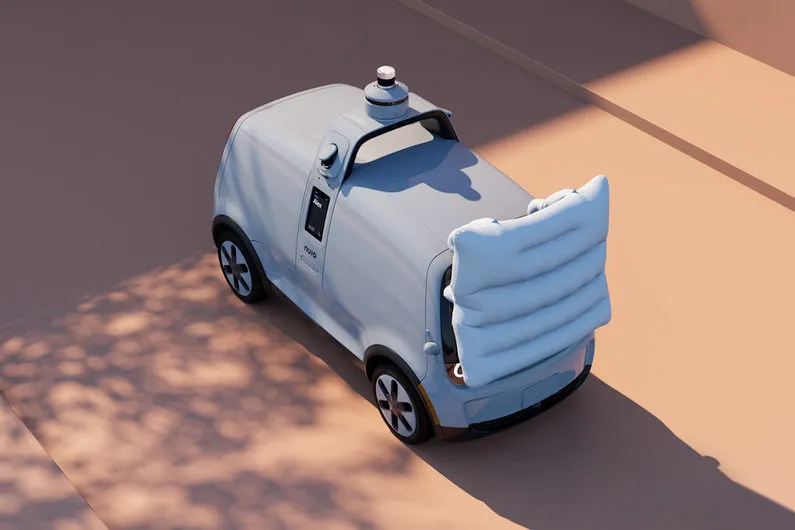
Autonomous delivery bots are quickly becoming one of the most transformative innovations in modern logistics, redefining how goods move across cities and campuses. These self-driving robots operate on sidewalks, bike lanes, gated communities, and restricted zones to deliver everything from groceries to medicines. Powered by AI, computer vision, sensors, and advanced navigation systems, they represent the future of last-mile delivery—one of the most expensive and inefficient segments of the supply chain. The increasing demand for faster, contactless, and low-cost delivery has accelerated adoption among retailers, food delivery apps, e-commerce platforms, and healthcare services. As labor shortages, rising fuel prices, and environmental concerns continue to intensify, autonomous delivery bots offer a sustainable, scalable, and high-efficiency solution.
The core technology behind autonomous delivery bots is impressive, combining multiple layers of intelligence. Equipped with LiDAR sensors, ultrasonic systems, GPS modules, and high-resolution cameras, these bots create 360-degree maps of their surroundings. Machine learning algorithms interpret real-time data to detect pedestrians, pets, bicycles, obstacles, or moving vehicles. Advanced SLAM (Simultaneous Localization and Mapping) helps bots understand where they are, how to navigate complex environments, and how to plan safe pathways. Some systems even integrate V2X (Vehicle-to-Everything) communication, allowing robots to interact with traffic lights, smart city infrastructure, and other autonomous devices. The integration of vision-based AI enables bots to recognize sidewalks, zebra crossings, ramps, and environmental features with high accuracy.
A major reason autonomous delivery bots are gaining attention is their potential to revolutionize last-mile logistics. Traditional delivery methods rely heavily on human couriers traveling long routes, dealing with traffic, and transporting goods one order at a time. This makes urban deliveries slow, costly, and environmentally taxing. Bots, however, can operate continuously—day or night—without fatigue, breaks, overtime pay, or fuel consumption. They can deliver multiple orders in a single route and are ideal for short-distance trips. Their electric, battery-powered design makes them eco-friendly and suitable for zero-emission urban zones. In densely populated cities, where traffic congestion limits vehicle deliveries, bots can navigate sidewalks and pedestrian routes more efficiently, reducing delivery times and operational costs by up to 50%.
Autonomous delivery bots have also gained prominence in healthcare and campus environments. Hospitals use them to deliver medication, specimens, reports, and medical supplies. University campuses use bots for food deliveries, document transport, and retail services. During the COVID-19 pandemic, these robots played a vital role by enabling safe, contactless delivery in quarantined neighborhoods, elderly care homes, and hard-to-access zones. Their ability to maintain hygiene, avoid human contact, and ensure safe delivery workflows made them an essential tool for public health. As smart cities expand and the need for automation grows, autonomous bots are becoming a critical infrastructure component in controlled environments like airports, tech parks, and residential communities.
Despite their rapid rise, autonomous delivery bots face technical and regulatory challenges. Navigation in urban environments is unpredictable—bots must handle uneven pavements, construction zones, crowds, and unexpected obstacles. Weather conditions such as heavy rain or snow can affect visibility and sensor accuracy. Battery limitations restrict travel distance, requiring frequent charging or battery swaps. On the regulatory side, cities are still developing rules for sidewalk robots, speed limits, safety requirements, and operational zones. Some regions require human remote supervision, especially in densely populated areas. Although technology is advancing rapidly, public acceptance and regulatory frameworks will determine how quickly bots become mainstream.
One emerging trend in autonomous delivery technology is remote supervision and teleoperation. While the goal is full autonomy, many robots today operate with human-in-the-loop systems. When a bot encounters an unusual situation—blocked paths, emergencies, or unclear obstacles—a remote human operator can intervene and manually guide it. This hybrid approach ensures safety while maintaining high efficiency. As AI models improve with more data, the level of autonomy will increase dramatically. Another key innovation is integration with drone delivery systems. Some companies are developing hybrid approaches where ground robots handle local deliveries while drones manage time-critical or remote deliveries. Together, they form a powerful automated logistics ecosystem.
Businesses are increasingly adopting autonomous bots because they provide predictable, reliable, and cost-effective delivery operations. Retailers can shorten delivery windows, offer on-demand service, and improve customer satisfaction. Restaurants can reduce reliance on gig-economy couriers, lowering operational costs and increasing consistency. Warehouses use bots not only for last-mile delivery but also for internal material transport. When paired with artificial intelligence and IoT systems, bots support intelligent routing, energy-efficient driving patterns, and adaptive scheduling based on traffic, demand, and weather. As machine learning models evolve, bots will optimize themselves in real-time—learning from previous routes and continuously improving.
Looking ahead, the future of autonomous delivery bots is extremely bright. Cities are becoming smarter, with dedicated robot lanes, improved urban mapping, and standardized robotic regulations. Advances in battery technology will extend travel distance and efficiency. AI breakthroughs in multimodal navigation—combining vision, audio, and radar—will make bots significantly more reliable in crowded environments. Integration with smart lockers, automated warehouses, and robotics-as-a-service (RaaS) platforms will expand their commercial use cases. Within a decade, autonomous bots could become a common sight in urban neighborhoods, revolutionizing the logistics landscape and making same-hour delivery the new normal.
In conclusion, autonomous delivery bots represent a significant leap forward in logistics, combining AI, robotics, and cloud technologies to create a smarter, more efficient last-mile delivery ecosystem. Their ability to operate continuously, reduce labor costs, lower emissions, and navigate city environments with precision makes them indispensable for future supply chains. While challenges remain in regulation, safety, and public acceptance, the pace of innovation suggests that autonomous bots will soon become an everyday part of urban life. As companies and governments continue to invest in automation, these bots will play a pivotal role in shaping the next generation of global delivery systems.
The core technology behind autonomous delivery bots is impressive, combining multiple layers of intelligence. Equipped with LiDAR sensors, ultrasonic systems, GPS modules, and high-resolution cameras, these bots create 360-degree maps of their surroundings. Machine learning algorithms interpret real-time data to detect pedestrians, pets, bicycles, obstacles, or moving vehicles. Advanced SLAM (Simultaneous Localization and Mapping) helps bots understand where they are, how to navigate complex environments, and how to plan safe pathways. Some systems even integrate V2X (Vehicle-to-Everything) communication, allowing robots to interact with traffic lights, smart city infrastructure, and other autonomous devices. The integration of vision-based AI enables bots to recognize sidewalks, zebra crossings, ramps, and environmental features with high accuracy.
A major reason autonomous delivery bots are gaining attention is their potential to revolutionize last-mile logistics. Traditional delivery methods rely heavily on human couriers traveling long routes, dealing with traffic, and transporting goods one order at a time. This makes urban deliveries slow, costly, and environmentally taxing. Bots, however, can operate continuously—day or night—without fatigue, breaks, overtime pay, or fuel consumption. They can deliver multiple orders in a single route and are ideal for short-distance trips. Their electric, battery-powered design makes them eco-friendly and suitable for zero-emission urban zones. In densely populated cities, where traffic congestion limits vehicle deliveries, bots can navigate sidewalks and pedestrian routes more efficiently, reducing delivery times and operational costs by up to 50%.
Autonomous delivery bots have also gained prominence in healthcare and campus environments. Hospitals use them to deliver medication, specimens, reports, and medical supplies. University campuses use bots for food deliveries, document transport, and retail services. During the COVID-19 pandemic, these robots played a vital role by enabling safe, contactless delivery in quarantined neighborhoods, elderly care homes, and hard-to-access zones. Their ability to maintain hygiene, avoid human contact, and ensure safe delivery workflows made them an essential tool for public health. As smart cities expand and the need for automation grows, autonomous bots are becoming a critical infrastructure component in controlled environments like airports, tech parks, and residential communities.
Despite their rapid rise, autonomous delivery bots face technical and regulatory challenges. Navigation in urban environments is unpredictable—bots must handle uneven pavements, construction zones, crowds, and unexpected obstacles. Weather conditions such as heavy rain or snow can affect visibility and sensor accuracy. Battery limitations restrict travel distance, requiring frequent charging or battery swaps. On the regulatory side, cities are still developing rules for sidewalk robots, speed limits, safety requirements, and operational zones. Some regions require human remote supervision, especially in densely populated areas. Although technology is advancing rapidly, public acceptance and regulatory frameworks will determine how quickly bots become mainstream.
One emerging trend in autonomous delivery technology is remote supervision and teleoperation. While the goal is full autonomy, many robots today operate with human-in-the-loop systems. When a bot encounters an unusual situation—blocked paths, emergencies, or unclear obstacles—a remote human operator can intervene and manually guide it. This hybrid approach ensures safety while maintaining high efficiency. As AI models improve with more data, the level of autonomy will increase dramatically. Another key innovation is integration with drone delivery systems. Some companies are developing hybrid approaches where ground robots handle local deliveries while drones manage time-critical or remote deliveries. Together, they form a powerful automated logistics ecosystem.
Businesses are increasingly adopting autonomous bots because they provide predictable, reliable, and cost-effective delivery operations. Retailers can shorten delivery windows, offer on-demand service, and improve customer satisfaction. Restaurants can reduce reliance on gig-economy couriers, lowering operational costs and increasing consistency. Warehouses use bots not only for last-mile delivery but also for internal material transport. When paired with artificial intelligence and IoT systems, bots support intelligent routing, energy-efficient driving patterns, and adaptive scheduling based on traffic, demand, and weather. As machine learning models evolve, bots will optimize themselves in real-time—learning from previous routes and continuously improving.
Looking ahead, the future of autonomous delivery bots is extremely bright. Cities are becoming smarter, with dedicated robot lanes, improved urban mapping, and standardized robotic regulations. Advances in battery technology will extend travel distance and efficiency. AI breakthroughs in multimodal navigation—combining vision, audio, and radar—will make bots significantly more reliable in crowded environments. Integration with smart lockers, automated warehouses, and robotics-as-a-service (RaaS) platforms will expand their commercial use cases. Within a decade, autonomous bots could become a common sight in urban neighborhoods, revolutionizing the logistics landscape and making same-hour delivery the new normal.
In conclusion, autonomous delivery bots represent a significant leap forward in logistics, combining AI, robotics, and cloud technologies to create a smarter, more efficient last-mile delivery ecosystem. Their ability to operate continuously, reduce labor costs, lower emissions, and navigate city environments with precision makes them indispensable for future supply chains. While challenges remain in regulation, safety, and public acceptance, the pace of innovation suggests that autonomous bots will soon become an everyday part of urban life. As companies and governments continue to invest in automation, these bots will play a pivotal role in shaping the next generation of global delivery systems.