
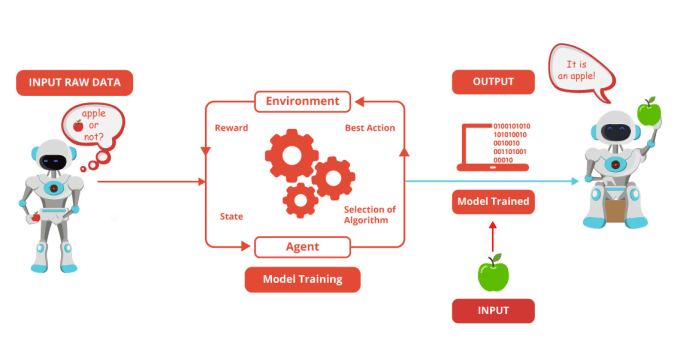
AutoML (Automated Machine Learning) is revolutionizing the way data models are built by automating the most time-consuming tasks of the ML workflow — from feature engineering to model selection, hyperparameter tuning, and evaluation. This course explores how automation enables faster development, democratizes data science, and helps businesses deploy ML solutions at scale with minimal manual effort.
The course begins by explaining the limitations of traditional machine learning development — requiring specialized expertise, long experimentation cycles, and expensive compute resources. AutoML simplifies these challenges using intelligent algorithms that automatically identify top-performing models tailored to the dataset and business goals.
Students will dive into the core components of AutoML systems including automated data preprocessing, feature selection, algorithm exploration, and hyperparameter optimization. Tools such as Google AutoML, H2O.ai, DataRobot, AWS SageMaker Autopilot, and auto-sklearn are introduced with hands-on workflow examples.
Automated deployment is essential for turning successful models into real-world applications. Learners explore MLOps techniques for deploying models directly into production environments using pipelines, API endpoints, and continuous integration/continuous deployment (CI/CD). This includes monitoring model drift, updating pipelines, and tracking performance KPIs after deployment.
A major focus is explainability and ethical responsibility. Students learn how AutoML systems provide model interpretability insights to understand key features, detect bias, and ensure fairness — especially important in high-impact industries like finance, healthcare, and public services.
Scalability and cost efficiency are examined as key benefits of automation. The course explains how AutoML platforms optimize hardware usage and accelerate compute time, helping organizations reduce infrastructure spend while delivering faster insights and more frequent model updates.
Learners also study real-time deployment strategies using serverless and containerized environments such as Kubernetes and ML-serving frameworks. Automated A/B testing, blue-green deployments, and rollback mechanisms ensure safe and controlled production rollouts.
Industry case studies demonstrate how companies rapidly build ML-powered solutions like fraud detection, recommendation engines, predictive maintenance, and personalized marketing using AutoML. These examples show how automation drives innovation and makes AI accessible to non-expert teams.
By the end of this course, students will be able to build and deploy machine learning models using AutoML tools and automated MLOps workflows. They will gain practical skills to deliver scalable, interpretable, and production-ready AI systems with dramatically reduced development time.
The course begins by explaining the limitations of traditional machine learning development — requiring specialized expertise, long experimentation cycles, and expensive compute resources. AutoML simplifies these challenges using intelligent algorithms that automatically identify top-performing models tailored to the dataset and business goals.
Students will dive into the core components of AutoML systems including automated data preprocessing, feature selection, algorithm exploration, and hyperparameter optimization. Tools such as Google AutoML, H2O.ai, DataRobot, AWS SageMaker Autopilot, and auto-sklearn are introduced with hands-on workflow examples.
Automated deployment is essential for turning successful models into real-world applications. Learners explore MLOps techniques for deploying models directly into production environments using pipelines, API endpoints, and continuous integration/continuous deployment (CI/CD). This includes monitoring model drift, updating pipelines, and tracking performance KPIs after deployment.
A major focus is explainability and ethical responsibility. Students learn how AutoML systems provide model interpretability insights to understand key features, detect bias, and ensure fairness — especially important in high-impact industries like finance, healthcare, and public services.
Scalability and cost efficiency are examined as key benefits of automation. The course explains how AutoML platforms optimize hardware usage and accelerate compute time, helping organizations reduce infrastructure spend while delivering faster insights and more frequent model updates.
Learners also study real-time deployment strategies using serverless and containerized environments such as Kubernetes and ML-serving frameworks. Automated A/B testing, blue-green deployments, and rollback mechanisms ensure safe and controlled production rollouts.
Industry case studies demonstrate how companies rapidly build ML-powered solutions like fraud detection, recommendation engines, predictive maintenance, and personalized marketing using AutoML. These examples show how automation drives innovation and makes AI accessible to non-expert teams.
By the end of this course, students will be able to build and deploy machine learning models using AutoML tools and automated MLOps workflows. They will gain practical skills to deliver scalable, interpretable, and production-ready AI systems with dramatically reduced development time.