
Supply chains have evolved from simple, linear systems into complex, global networks connecting manufacturers, distributors, retailers, logistics providers, and customers. With increasing demand for speed, accuracy, transparency, and resilience, automation has become essential for modern supply chain management. Advances in robotics, artificial intelligence (AI), machine learning, the Internet of Things (IoT), and cloud computing are transforming traditional processes into highly optimized, real-time, and autonomous operations. Automation helps organizations improve efficiency, reduce costs, minimize human errors, and respond faster to market fluctuations. This article explores the technologies driving supply chain automation, real-world applications, challenges, and how automation is shaping the future of global logistics.
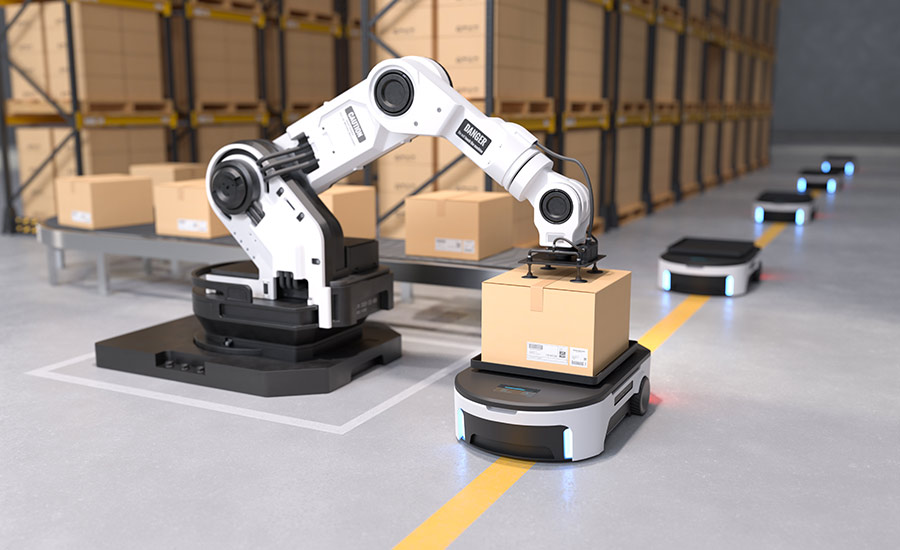
Robots play a crucial role in supply chain automation, particularly in warehousing, distribution, and manufacturing. Automated Guided Vehicles (AGVs), Autonomous Mobile Robots (AMRs), robotic arms, and conveyor systems help streamline the movement, sorting, picking, and packing of goods. AMRs equipped with sensors and navigation systems can adapt to dynamic warehouse environments and operate safely alongside human workers. Robotic picking systems powered by computer vision and machine learning can identify objects, handle delicate items, and improve picking accuracy. High-speed sorting robots and packaging machines help reduce manual labor and accelerate order fulfillment. Robotics not only improves operational efficiency but also ensures scalability during high-demand periods.
Artificial intelligence and machine learning have become central to supply chain automation by enabling systems to analyze massive datasets, detect patterns, and make intelligent predictions. Predictive analytics allows businesses to forecast demand, optimize inventory, and prevent stockouts or overstock situations. AI-powered demand forecasting models consider factors like seasonality, market trends, customer behavior, and external disruptions. Machine learning algorithms help identify inefficiencies, optimize transportation routes, detect supplier risks, and predict equipment failure. Automated decision-making engines help supply chain managers react quickly to real-time changes, making the entire system more resilient and efficient.
The Internet of Things is revolutionizing supply chains by offering real-time visibility into inventory, equipment, transportation, and environmental conditions. IoT sensors embedded in pallets, trucks, containers, and warehouses track temperature, humidity, GPS location, and movement. Connected devices allow logistics managers to monitor shipments, detect delays, and prevent spoilage—especially in cold chain logistics for pharmaceuticals and food. Smart shelves, RFID tags, and automated scanning systems help maintain accurate inventory records and reduce manual data entry. IoT enhances transparency, reduces operational risks, and ensures goods move smoothly throughout the supply chain ecosystem.
Warehouses are becoming highly automated environments driven by advanced systems like warehouse management systems (WMS), automated storage and retrieval systems (AS/RS), and robotics. AS/RS systems use cranes, shuttles, or robotic arms to store and retrieve inventory efficiently. Automated sorting lines classify products based on size, destination, or priority, reducing human intervention. Voice-directed picking and wearable devices increase picking speed and accuracy. Fulfillment centers use robotic automation to prepare orders, pack items, and arrange shipments. With rising e-commerce demand, warehouse automation has become a strategic necessity for fast and cost-effective deliveries.
Blockchain technology enhances automation by improving transparency, traceability, and trust across supply chain partners. Smart contracts automate transactions, ensuring payments, approvals, and shipments are processed without manual intervention. Blockchain networks store tamper-proof records of product origins, manufacturing steps, certifications, and logistics data. This is especially valuable in industries like pharmaceuticals, where authenticity and safety are critical. Automated compliance checks, supplier verification, and digital audits further reduce delays and human errors. By integrating blockchain with IoT and AI, businesses can build supply chains that are fully automated, transparent, and secure.
Digital twins—virtual replicas of physical supply chains—enable businesses to simulate operations, predict outcomes, and identify bottlenecks before they occur. A digital twin can represent an entire warehouse, factory floor, transportation fleet, or global supply network. Machine learning models analyze real-time data to evaluate various scenarios such as changes in demand, supplier failures, or transportation delays. These insights help managers make data-driven decisions and optimize workflow design. Automation powered by digital twins allows supply chains to adapt quickly to disruptions and continuously improve performance.
While automation offers tremendous benefits, it also presents challenges. High upfront costs, integration complexity, and legacy system constraints can slow adoption. Workforce resistance, limited technical skills, and change management issues may arise as organizations transition to automated systems. Cybersecurity risks increase with the adoption of IoT, AI, and connected systems. Small businesses often struggle with budget limitations for advanced automation solutions. Furthermore, supply chains operate in dynamic environments where unexpected disruptions—such as global pandemics or geopolitical conflicts—require flexible and adaptable automation strategies. Overcoming these challenges requires strong planning, stakeholder engagement, continuous training, and scalable technology investments.
The future of supply chains is autonomous, intelligent, and self-optimizing. Next-generation systems will combine AI, robotics, IoT, 5G, blockchain, and edge computing to create end-to-end automation. Fully autonomous warehouses, drone-based deliveries, robotic fleets, and AI-driven supply chain control towers will become mainstream. Predictive analytics will enable supply chains to anticipate disruptions before they occur. Sustainability will also drive automation, with greener technologies optimizing energy usage and reducing waste. As global trade continues to expand, autonomous supply chains will become essential for managing complexity, improving resilience, and meeting consumer expectations for fast, reliable deliveries.
Automation is revolutionizing supply chains by integrating robotics, AI, IoT, blockchain, and digital simulation into every stage of the logistics ecosystem. These technologies enhance speed, accuracy, transparency, and cost efficiency while preparing organizations for dynamic global demands. Although challenges exist, the long-term benefits of automation far outweigh the obstacles. Companies that adopt automated supply chain solutions gain a competitive advantage—achieving faster delivery times, reduced operational costs, and improved customer satisfaction. As innovation continues, fully autonomous supply chains will redefine how goods move across the world, becoming a cornerstone of future global commerce.
Robots play a crucial role in supply chain automation, particularly in warehousing, distribution, and manufacturing. Automated Guided Vehicles (AGVs), Autonomous Mobile Robots (AMRs), robotic arms, and conveyor systems help streamline the movement, sorting, picking, and packing of goods. AMRs equipped with sensors and navigation systems can adapt to dynamic warehouse environments and operate safely alongside human workers. Robotic picking systems powered by computer vision and machine learning can identify objects, handle delicate items, and improve picking accuracy. High-speed sorting robots and packaging machines help reduce manual labor and accelerate order fulfillment. Robotics not only improves operational efficiency but also ensures scalability during high-demand periods.
Artificial intelligence and machine learning have become central to supply chain automation by enabling systems to analyze massive datasets, detect patterns, and make intelligent predictions. Predictive analytics allows businesses to forecast demand, optimize inventory, and prevent stockouts or overstock situations. AI-powered demand forecasting models consider factors like seasonality, market trends, customer behavior, and external disruptions. Machine learning algorithms help identify inefficiencies, optimize transportation routes, detect supplier risks, and predict equipment failure. Automated decision-making engines help supply chain managers react quickly to real-time changes, making the entire system more resilient and efficient.
The Internet of Things is revolutionizing supply chains by offering real-time visibility into inventory, equipment, transportation, and environmental conditions. IoT sensors embedded in pallets, trucks, containers, and warehouses track temperature, humidity, GPS location, and movement. Connected devices allow logistics managers to monitor shipments, detect delays, and prevent spoilage—especially in cold chain logistics for pharmaceuticals and food. Smart shelves, RFID tags, and automated scanning systems help maintain accurate inventory records and reduce manual data entry. IoT enhances transparency, reduces operational risks, and ensures goods move smoothly throughout the supply chain ecosystem.
Warehouses are becoming highly automated environments driven by advanced systems like warehouse management systems (WMS), automated storage and retrieval systems (AS/RS), and robotics. AS/RS systems use cranes, shuttles, or robotic arms to store and retrieve inventory efficiently. Automated sorting lines classify products based on size, destination, or priority, reducing human intervention. Voice-directed picking and wearable devices increase picking speed and accuracy. Fulfillment centers use robotic automation to prepare orders, pack items, and arrange shipments. With rising e-commerce demand, warehouse automation has become a strategic necessity for fast and cost-effective deliveries.
Blockchain technology enhances automation by improving transparency, traceability, and trust across supply chain partners. Smart contracts automate transactions, ensuring payments, approvals, and shipments are processed without manual intervention. Blockchain networks store tamper-proof records of product origins, manufacturing steps, certifications, and logistics data. This is especially valuable in industries like pharmaceuticals, where authenticity and safety are critical. Automated compliance checks, supplier verification, and digital audits further reduce delays and human errors. By integrating blockchain with IoT and AI, businesses can build supply chains that are fully automated, transparent, and secure.
Digital twins—virtual replicas of physical supply chains—enable businesses to simulate operations, predict outcomes, and identify bottlenecks before they occur. A digital twin can represent an entire warehouse, factory floor, transportation fleet, or global supply network. Machine learning models analyze real-time data to evaluate various scenarios such as changes in demand, supplier failures, or transportation delays. These insights help managers make data-driven decisions and optimize workflow design. Automation powered by digital twins allows supply chains to adapt quickly to disruptions and continuously improve performance.
While automation offers tremendous benefits, it also presents challenges. High upfront costs, integration complexity, and legacy system constraints can slow adoption. Workforce resistance, limited technical skills, and change management issues may arise as organizations transition to automated systems. Cybersecurity risks increase with the adoption of IoT, AI, and connected systems. Small businesses often struggle with budget limitations for advanced automation solutions. Furthermore, supply chains operate in dynamic environments where unexpected disruptions—such as global pandemics or geopolitical conflicts—require flexible and adaptable automation strategies. Overcoming these challenges requires strong planning, stakeholder engagement, continuous training, and scalable technology investments.
The future of supply chains is autonomous, intelligent, and self-optimizing. Next-generation systems will combine AI, robotics, IoT, 5G, blockchain, and edge computing to create end-to-end automation. Fully autonomous warehouses, drone-based deliveries, robotic fleets, and AI-driven supply chain control towers will become mainstream. Predictive analytics will enable supply chains to anticipate disruptions before they occur. Sustainability will also drive automation, with greener technologies optimizing energy usage and reducing waste. As global trade continues to expand, autonomous supply chains will become essential for managing complexity, improving resilience, and meeting consumer expectations for fast, reliable deliveries.
Automation is revolutionizing supply chains by integrating robotics, AI, IoT, blockchain, and digital simulation into every stage of the logistics ecosystem. These technologies enhance speed, accuracy, transparency, and cost efficiency while preparing organizations for dynamic global demands. Although challenges exist, the long-term benefits of automation far outweigh the obstacles. Companies that adopt automated supply chain solutions gain a competitive advantage—achieving faster delivery times, reduced operational costs, and improved customer satisfaction. As innovation continues, fully autonomous supply chains will redefine how goods move across the world, becoming a cornerstone of future global commerce.