
Authentication and authorization are two of the most critical foundations of web application security. As digital platforms handle sensitive user data, payments, personal profiles, and business operations, secure identity management becomes essential. Authentication is the process of verifying who a user is, while authorization determines what that authenticated user is allowed to do inside the application. These processes protect systems from unauthorized access, data breaches, and misuse. Modern web apps run across distributed servers, APIs, mobile clients, and cloud platforms—creating multiple access points for attackers. This increases the need for strong, multilayered authentication mechanisms such as passwords, multi-factor authentication (MFA), biometrics, OAuth-based logins, and token-based security. Meanwhile, authorization ensures that users only access the features and data that their role permits. For example, in a web app, admins can manage all settings, editors can update content, and general users can view limited information. The combination of secure authentication and properly structured authorization builds a trustworthy user environment. As cyberattacks grow more sophisticated and privacy laws become stricter, mastering authentication and authorization is essential for anyone building or managing web applications.
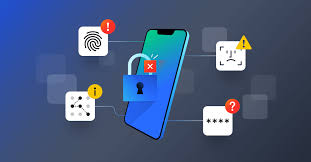
Authentication verifies user identity through different methods. Password-based authentication is the most common, but it is also vulnerable to brute-force attacks, password reuse, and phishing. Therefore, modern web apps enhance it with Multi-Factor Authentication (MFA)—which requires two or more factors: something the user knows (password), something they have (OTP, mobile device), and something they are (fingerprint, face scan). MFA drastically reduces unauthorized logins. Token-based authentication is another major method used in modern web applications. When a user logs in successfully, the server generates a token—like a JWT (JSON Web Token)—which represents the user’s identity for all subsequent requests. JWTs are compact, stateless, and ideal for APIs and single-page applications (SPAs). Unlike traditional session storage, JWTs allow decentralized, scalable authentication in cloud and microservices environments.
OAuth 2.0 and OpenID Connect are widely used for third-party authentication such as “Login with Google,” “Login with Facebook,” or “Login with Apple.” OAuth eliminates the need for users to create new passwords for every site, reduces friction, and enhances security by using trusted identity providers. Biometric authentication—using fingerprints, iris scans, facial recognition, or voice—is increasingly popular due to smartphones and secure hardware chips. Biometrics provide high security but must be handled carefully to avoid privacy risks. As threats grow, many applications implement risk-based authentication, adapting security requirements based on user behavior, device type, location, and login patterns. The combination of these techniques significantly strengthens authentication, ensuring that only legitimate users gain access to the system.
Authorization determines what actions or resources an authenticated user can access. One of the most widely used models is Role-Based Access Control (RBAC), where users are assigned predefined roles such as Admin, Manager, Staff, or User. Each role has certain permissions, making it simple to manage access at scale. RBAC is widely used in enterprise systems, SaaS platforms, and admin dashboards. Another model is Attribute-Based Access Control (ABAC), which grants access based on attributes such as department, location, clearance level, time of access, or resource type. ABAC is extremely flexible because it evaluates multiple conditions before granting permissions. Policy-Based Access Control (PBAC) takes this further by defining rules through policies (such as in AWS IAM or Azure Active Directory), enabling complex enterprise authorization systems.
Modern web apps also use Permission-Based Access Control, where permissions are assigned directly to users or groups. This is common in CMS platforms, learning management systems, and eCommerce dashboards. Another important practice is API-level authorization. APIs must restrict operations based on user privileges—for example, preventing users from editing someone else’s data or performing admin-only actions. Access tokens, scopes, and claims play a critical role in API authorization by encoding what actions users are allowed to perform. Additionally, server-side checks are mandatory to prevent attackers from bypassing client-side restrictions. Without strong authorization models, even authenticated users could misuse the system, steal data, or escalate privileges. A well-designed authorization structure protects the system from internal abuse, accidental harm, and external attacks.
Ensuring secure authentication and authorization comes with challenges such as password leaks, token theft, session hijacking, weak access controls, and misusing authorization logic. To mitigate these risks, developers must follow best practices like hashing passwords using bcrypt/Argon2, enforcing strong password policies, implementing MFA, and encrypting data in transit using HTTPS. Token security requires setting expiration times, using refresh tokens properly, storing tokens securely, and validating signatures on every request. Authorization best practices include enforcing least privilege access, auditing permissions regularly, logging user activity, and preventing privilege escalation through server-side checks. Access control testing, penetration testing, and zero-trust architecture help identify vulnerabilities.
The future of authentication lies in passwordless login, biometric authentication, FIDO2 WebAuthn, continuous authentication, and decentralized identity (DID) solutions. These systems reduce reliance on passwords and strengthen identity verification using cryptographic hardware keys or biometric data. Authorization is evolving toward automated systems driven by AI that evaluate user behavior, detect anomalies, and grant access dynamically based on risk. As applications migrate to cloud, mobile, and microservices architecture, identity security becomes even more vital. With increasing threats like phishing, credential stuffing, and API-based attacks, the importance of strong authentication and authorization will continue to grow. By combining modern security frameworks, robust access controls, encryption, monitoring, and user education, developers can build secure web applications that withstand evolving cyber threats and provide trustworthy digital experiences.
Authentication verifies user identity through different methods. Password-based authentication is the most common, but it is also vulnerable to brute-force attacks, password reuse, and phishing. Therefore, modern web apps enhance it with Multi-Factor Authentication (MFA)—which requires two or more factors: something the user knows (password), something they have (OTP, mobile device), and something they are (fingerprint, face scan). MFA drastically reduces unauthorized logins. Token-based authentication is another major method used in modern web applications. When a user logs in successfully, the server generates a token—like a JWT (JSON Web Token)—which represents the user’s identity for all subsequent requests. JWTs are compact, stateless, and ideal for APIs and single-page applications (SPAs). Unlike traditional session storage, JWTs allow decentralized, scalable authentication in cloud and microservices environments.
OAuth 2.0 and OpenID Connect are widely used for third-party authentication such as “Login with Google,” “Login with Facebook,” or “Login with Apple.” OAuth eliminates the need for users to create new passwords for every site, reduces friction, and enhances security by using trusted identity providers. Biometric authentication—using fingerprints, iris scans, facial recognition, or voice—is increasingly popular due to smartphones and secure hardware chips. Biometrics provide high security but must be handled carefully to avoid privacy risks. As threats grow, many applications implement risk-based authentication, adapting security requirements based on user behavior, device type, location, and login patterns. The combination of these techniques significantly strengthens authentication, ensuring that only legitimate users gain access to the system.
Authorization determines what actions or resources an authenticated user can access. One of the most widely used models is Role-Based Access Control (RBAC), where users are assigned predefined roles such as Admin, Manager, Staff, or User. Each role has certain permissions, making it simple to manage access at scale. RBAC is widely used in enterprise systems, SaaS platforms, and admin dashboards. Another model is Attribute-Based Access Control (ABAC), which grants access based on attributes such as department, location, clearance level, time of access, or resource type. ABAC is extremely flexible because it evaluates multiple conditions before granting permissions. Policy-Based Access Control (PBAC) takes this further by defining rules through policies (such as in AWS IAM or Azure Active Directory), enabling complex enterprise authorization systems.
Modern web apps also use Permission-Based Access Control, where permissions are assigned directly to users or groups. This is common in CMS platforms, learning management systems, and eCommerce dashboards. Another important practice is API-level authorization. APIs must restrict operations based on user privileges—for example, preventing users from editing someone else’s data or performing admin-only actions. Access tokens, scopes, and claims play a critical role in API authorization by encoding what actions users are allowed to perform. Additionally, server-side checks are mandatory to prevent attackers from bypassing client-side restrictions. Without strong authorization models, even authenticated users could misuse the system, steal data, or escalate privileges. A well-designed authorization structure protects the system from internal abuse, accidental harm, and external attacks.
Ensuring secure authentication and authorization comes with challenges such as password leaks, token theft, session hijacking, weak access controls, and misusing authorization logic. To mitigate these risks, developers must follow best practices like hashing passwords using bcrypt/Argon2, enforcing strong password policies, implementing MFA, and encrypting data in transit using HTTPS. Token security requires setting expiration times, using refresh tokens properly, storing tokens securely, and validating signatures on every request. Authorization best practices include enforcing least privilege access, auditing permissions regularly, logging user activity, and preventing privilege escalation through server-side checks. Access control testing, penetration testing, and zero-trust architecture help identify vulnerabilities.
The future of authentication lies in passwordless login, biometric authentication, FIDO2 WebAuthn, continuous authentication, and decentralized identity (DID) solutions. These systems reduce reliance on passwords and strengthen identity verification using cryptographic hardware keys or biometric data. Authorization is evolving toward automated systems driven by AI that evaluate user behavior, detect anomalies, and grant access dynamically based on risk. As applications migrate to cloud, mobile, and microservices architecture, identity security becomes even more vital. With increasing threats like phishing, credential stuffing, and API-based attacks, the importance of strong authentication and authorization will continue to grow. By combining modern security frameworks, robust access controls, encryption, monitoring, and user education, developers can build secure web applications that withstand evolving cyber threats and provide trustworthy digital experiences.