
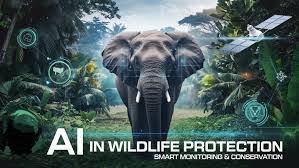
Smart sensors are playing a crucial role in wildlife conservation by enabling real-time monitoring of animals, detecting threats, and gathering environmental data. These sensors help researchers track endangered species, understand their behavior, and protect them from dangers such as poaching, habitat loss, and climate change. Technology bridges the gap between humans and remote ecosystems that are difficult to observe manually.
Wearable sensors, such as GPS collars and tracking tags, are attached to animals to monitor their movement patterns, migration paths, and daily activities. This information helps conservationists predict behavioral changes, locate nesting areas, and identify threats early. Tracking also supports rescue operations when animals stray into human settlement zones, reducing conflicts between wildlife and communities.
Anti-poaching technology is one of the most important applications. Smart sensors placed around protected forests can detect illegal human activities through vibrations, sound patterns, or heat signatures. These sensors trigger instant alerts to park rangers, enabling rapid response before poachers harm animals. Integrated systems with drones and surveillance cameras provide stronger protection during nighttime when poaching is most active.
Environmental sensors help monitor the health of natural habitats. They measure temperature, humidity, soil condition, water quality, and chemical levels to track changes caused by pollution or climate disturbances. This helps conservation experts understand whether an environment can support certain species and take timely measures to prevent ecosystem collapse.
Acoustic sensors are widely used for marine and forest wildlife. They record sounds such as whale calls, frog croaks, and bird songs to identify species population trends. These audio-based sensors can detect illegal dynamite fishing, ship noise pollution, or even stress signals in animals that indicate danger. AI-based sound analysis improves accuracy and identifies patterns humans might miss.
Camera traps equipped with motion sensors collect visual data of animals without human presence. They enable non-intrusive research and help discover species that are rare or newly identified. With AI image recognition, thousands of images can be analyzed quickly to detect species automatically and track population dynamics over time.
Smart sensors also support early-warning systems to reduce human-wildlife conflicts. For example, elephant monitoring sensors alert farmers when herds are approaching farms, helping avoid crop destruction and retaliation attacks. Similar systems protect tigers, wolves, and bears by creating safe zones that keep wildlife and humans apart.
While smart sensors offer tremendous benefits, there are challenges such as high cost, maintenance issues, network constraints, and the need for skilled teams to operate technology in remote forests. Battery life and harsh environmental conditions can also affect sensor performance, requiring innovative solutions like solar-powered devices and energy-efficient communication networks.
In summary, smart sensors are revolutionizing wildlife protection by providing actionable insights and enhancing conservation strategies. With continued technological advancement, collaboration with governments, and community support, these intelligent systems can ensure endangered species survive for future generations while restoring balance to global ecosystems.
Wearable sensors, such as GPS collars and tracking tags, are attached to animals to monitor their movement patterns, migration paths, and daily activities. This information helps conservationists predict behavioral changes, locate nesting areas, and identify threats early. Tracking also supports rescue operations when animals stray into human settlement zones, reducing conflicts between wildlife and communities.
Anti-poaching technology is one of the most important applications. Smart sensors placed around protected forests can detect illegal human activities through vibrations, sound patterns, or heat signatures. These sensors trigger instant alerts to park rangers, enabling rapid response before poachers harm animals. Integrated systems with drones and surveillance cameras provide stronger protection during nighttime when poaching is most active.
Environmental sensors help monitor the health of natural habitats. They measure temperature, humidity, soil condition, water quality, and chemical levels to track changes caused by pollution or climate disturbances. This helps conservation experts understand whether an environment can support certain species and take timely measures to prevent ecosystem collapse.
Acoustic sensors are widely used for marine and forest wildlife. They record sounds such as whale calls, frog croaks, and bird songs to identify species population trends. These audio-based sensors can detect illegal dynamite fishing, ship noise pollution, or even stress signals in animals that indicate danger. AI-based sound analysis improves accuracy and identifies patterns humans might miss.
Camera traps equipped with motion sensors collect visual data of animals without human presence. They enable non-intrusive research and help discover species that are rare or newly identified. With AI image recognition, thousands of images can be analyzed quickly to detect species automatically and track population dynamics over time.
Smart sensors also support early-warning systems to reduce human-wildlife conflicts. For example, elephant monitoring sensors alert farmers when herds are approaching farms, helping avoid crop destruction and retaliation attacks. Similar systems protect tigers, wolves, and bears by creating safe zones that keep wildlife and humans apart.
While smart sensors offer tremendous benefits, there are challenges such as high cost, maintenance issues, network constraints, and the need for skilled teams to operate technology in remote forests. Battery life and harsh environmental conditions can also affect sensor performance, requiring innovative solutions like solar-powered devices and energy-efficient communication networks.
In summary, smart sensors are revolutionizing wildlife protection by providing actionable insights and enhancing conservation strategies. With continued technological advancement, collaboration with governments, and community support, these intelligent systems can ensure endangered species survive for future generations while restoring balance to global ecosystems.