
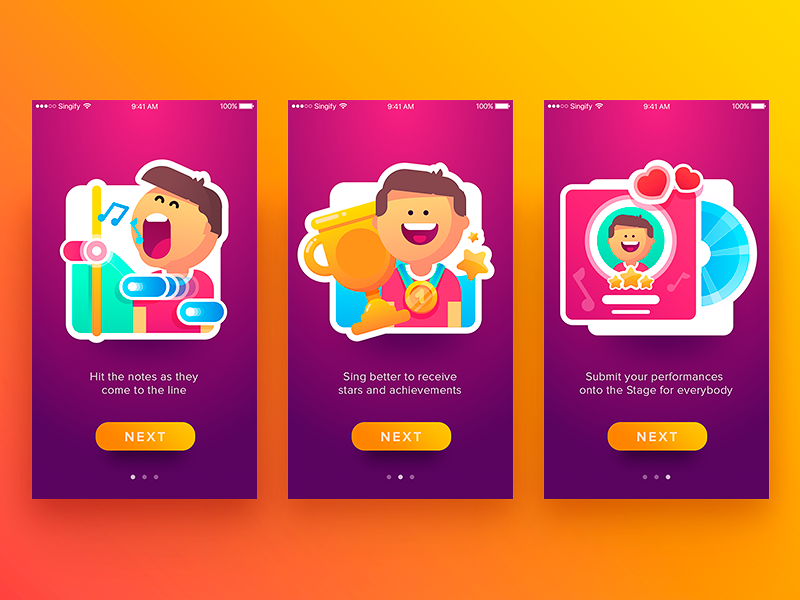
Gamification in UX is the practice of integrating game-like elements into non-gaming applications to boost engagement, motivation, and user satisfaction. In today’s digital environment, attention spans are shorter and competition is high, which makes creating compelling user experiences essential. Gamification taps into human psychology—especially reward systems, achievement, and progress—to keep users returning to an app or platform. Whether it’s fitness apps encouraging daily exercise streaks, learning platforms rewarding progress with badges, or financial apps offering progress bars for budgeting goals, gamification has become an essential strategy for enhancing user engagement and retention.
At the core of gamification lies the understanding of intrinsic and extrinsic motivation. Intrinsic motivation comes from internal satisfaction—such as learning something new or achieving a personal goal—while extrinsic motivation relies on rewards like points, badges, or leaderboards. Successful UX gamification blends both: it supports meaningful user behavior while also offering tangible incentives. For instance, Duolingo’s language-learning app rewards users with XP points, streaks, and badges, yet the true motivation for users is to learn a new language. The combination of external rewards and meaningful progress ensures long-term engagement rather than shallow interactions.
Gamification also relies heavily on behavioral psychology, especially principles like operant conditioning, feedback loops, and user reinforcement. Feedback loops play a crucial role in helping users understand how their actions affect outcomes. Positive reinforcement—such as congratulatory messages, animations, or unlocking new features—encourages continued usage. Immediate feedback is vital because it helps users feel a sense of control and accomplishment. This is why progress bars, achievement pop-ups, and instant rewards are so powerful: they create a sense of momentum that drives users forward and makes the experience feel lively and interactive.
A well-implemented gamified UX includes a range of game mechanics that are carefully aligned with user goals. Common mechanics include points, experience levels, challenges, streaks, leaderboards, badges, avatars, and unlockable content. While these elements can enhance user engagement, they must be introduced thoughtfully. Overusing game mechanics can overwhelm or distract users, while using them superficially can make the experience feel manipulative. Good gamification focuses on purpose-driven features—for example, a fitness tracker might use weekly challenges to inspire consistency, while a personal finance app might use progress dashboards to help users stay committed to savings goals.
One of the most important factors in gamification UX is personalization. Different users are motivated by different factors. Some enjoy competition and thrive on leaderboards, while others prefer private achievements or long-term progression. UX designers often incorporate user personas and segmentation to tailor the gamified experience to individual needs. This could include adaptive difficulty, personalized goal-setting, customizable avatars, or context-aware rewards. When users feel that the system understands their preferences and adapts to them, overall engagement increases significantly.
Gamification must also be balanced with usability and accessibility. Although adding playful elements can enhance the experience, they should not interfere with clarity, navigation, or core functionality. A gamified interface must remain intuitive and accessible to users of all abilities. Colorblind-friendly visuals, readable typography, minimal cognitive load, and accessible animations are essential for inclusivity. Additionally, designers should ensure that gamification does not pressure users or create anxiety—such as overly aggressive streak reminders that may frustrate users instead of motivating them. Ethical design ensures that gamification supports positive behavior without exploiting psychological vulnerabilities.
Gamification plays a major role in long-term user retention. Retention mechanisms—like daily rewards, weekly milestones, and progressive difficulty levels—help users build habits and feel accomplished. However, retention should not come at the cost of user fatigue. Designers must create sustainable engagement loops where users feel challenged but not overwhelmed. Proper pacing, thoughtful progression, and periodic novelty—such as new challenges or seasonal events—can sustain interest over long periods. This strategy is widely used in fitness apps, productivity tools, and educational platforms to keep users returning regularly.
In real-world applications, gamification has transformed industries such as education, health, productivity, finance, and workplace training. For example, learning platforms use gamified quizzes, badges, and level-up systems to make studying more interactive. Health apps incorporate streaks, step goals, and achievement badges to reinforce healthy habits. Corporate training portals use quizzes, challenges, and rewards to boost employee engagement. When executed correctly, gamification not only improves user engagement but also enhances learning, encourages behavioral change, and increases user satisfaction across diverse domains.
In conclusion, UX in gamification is about designing experiences that feel rewarding, meaningful, and enjoyable. It requires a deep understanding of user psychology, thoughtful application of game elements, and a balanced approach that aligns rewards with user goals. When implemented ethically and purposefully, gamification transforms ordinary tasks into enjoyable journeys, boosts user retention, and encourages lifelong engagement. As digital platforms continue to evolve, gamification will remain a powerful tool for creating impactful and emotionally resonant user experiences.
At the core of gamification lies the understanding of intrinsic and extrinsic motivation. Intrinsic motivation comes from internal satisfaction—such as learning something new or achieving a personal goal—while extrinsic motivation relies on rewards like points, badges, or leaderboards. Successful UX gamification blends both: it supports meaningful user behavior while also offering tangible incentives. For instance, Duolingo’s language-learning app rewards users with XP points, streaks, and badges, yet the true motivation for users is to learn a new language. The combination of external rewards and meaningful progress ensures long-term engagement rather than shallow interactions.
Gamification also relies heavily on behavioral psychology, especially principles like operant conditioning, feedback loops, and user reinforcement. Feedback loops play a crucial role in helping users understand how their actions affect outcomes. Positive reinforcement—such as congratulatory messages, animations, or unlocking new features—encourages continued usage. Immediate feedback is vital because it helps users feel a sense of control and accomplishment. This is why progress bars, achievement pop-ups, and instant rewards are so powerful: they create a sense of momentum that drives users forward and makes the experience feel lively and interactive.
A well-implemented gamified UX includes a range of game mechanics that are carefully aligned with user goals. Common mechanics include points, experience levels, challenges, streaks, leaderboards, badges, avatars, and unlockable content. While these elements can enhance user engagement, they must be introduced thoughtfully. Overusing game mechanics can overwhelm or distract users, while using them superficially can make the experience feel manipulative. Good gamification focuses on purpose-driven features—for example, a fitness tracker might use weekly challenges to inspire consistency, while a personal finance app might use progress dashboards to help users stay committed to savings goals.
One of the most important factors in gamification UX is personalization. Different users are motivated by different factors. Some enjoy competition and thrive on leaderboards, while others prefer private achievements or long-term progression. UX designers often incorporate user personas and segmentation to tailor the gamified experience to individual needs. This could include adaptive difficulty, personalized goal-setting, customizable avatars, or context-aware rewards. When users feel that the system understands their preferences and adapts to them, overall engagement increases significantly.
Gamification must also be balanced with usability and accessibility. Although adding playful elements can enhance the experience, they should not interfere with clarity, navigation, or core functionality. A gamified interface must remain intuitive and accessible to users of all abilities. Colorblind-friendly visuals, readable typography, minimal cognitive load, and accessible animations are essential for inclusivity. Additionally, designers should ensure that gamification does not pressure users or create anxiety—such as overly aggressive streak reminders that may frustrate users instead of motivating them. Ethical design ensures that gamification supports positive behavior without exploiting psychological vulnerabilities.
Gamification plays a major role in long-term user retention. Retention mechanisms—like daily rewards, weekly milestones, and progressive difficulty levels—help users build habits and feel accomplished. However, retention should not come at the cost of user fatigue. Designers must create sustainable engagement loops where users feel challenged but not overwhelmed. Proper pacing, thoughtful progression, and periodic novelty—such as new challenges or seasonal events—can sustain interest over long periods. This strategy is widely used in fitness apps, productivity tools, and educational platforms to keep users returning regularly.
In real-world applications, gamification has transformed industries such as education, health, productivity, finance, and workplace training. For example, learning platforms use gamified quizzes, badges, and level-up systems to make studying more interactive. Health apps incorporate streaks, step goals, and achievement badges to reinforce healthy habits. Corporate training portals use quizzes, challenges, and rewards to boost employee engagement. When executed correctly, gamification not only improves user engagement but also enhances learning, encourages behavioral change, and increases user satisfaction across diverse domains.
In conclusion, UX in gamification is about designing experiences that feel rewarding, meaningful, and enjoyable. It requires a deep understanding of user psychology, thoughtful application of game elements, and a balanced approach that aligns rewards with user goals. When implemented ethically and purposefully, gamification transforms ordinary tasks into enjoyable journeys, boosts user retention, and encourages lifelong engagement. As digital platforms continue to evolve, gamification will remain a powerful tool for creating impactful and emotionally resonant user experiences.