
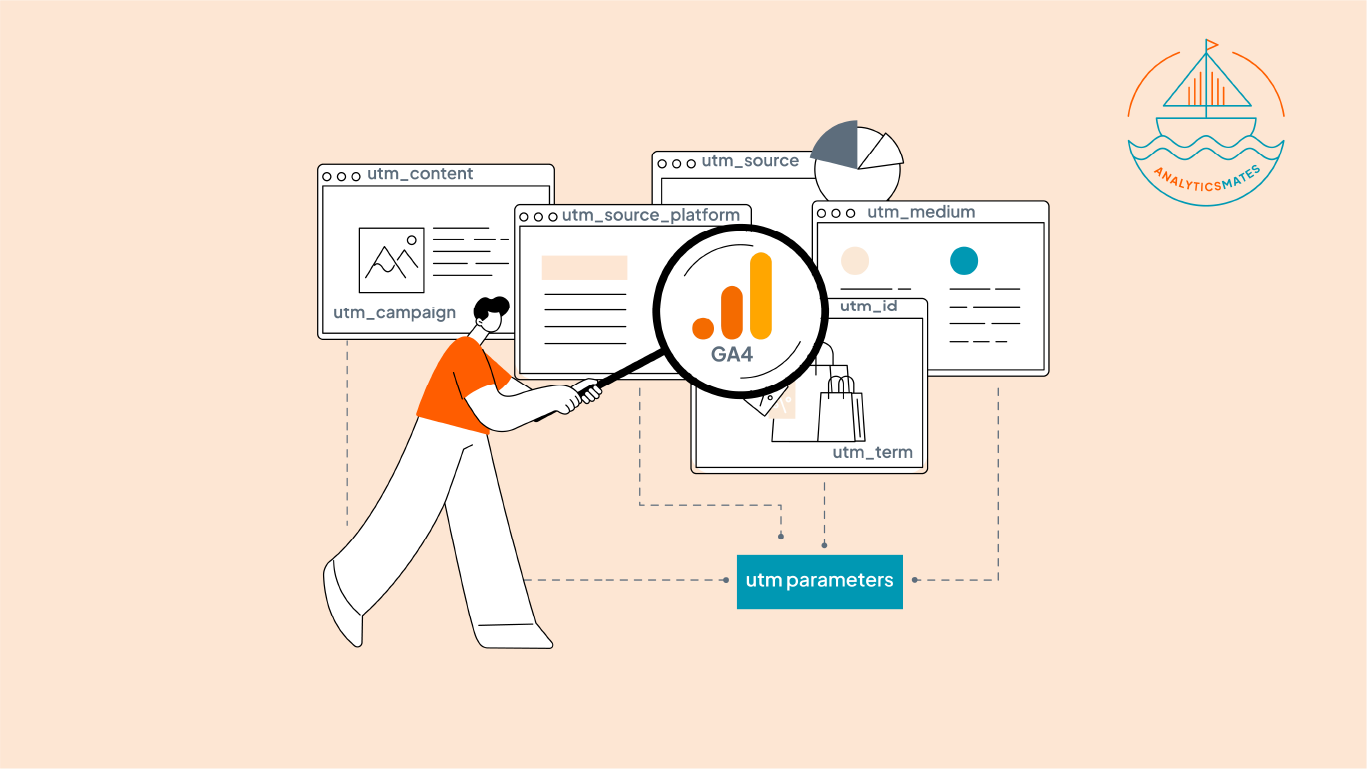
UTM tracking strategy helps digital marketers accurately measure campaign performance by tagging URLs with special tracking parameters. These UTM codes allow analytics tools like Google Analytics to identify where users come from, what campaign they interacted with, and which marketing assets drove conversions. This visibility supports smarter budget allocation and performance optimization.
A strong UTM strategy defines consistent rules for naming five key parameters:
• utm_source – where the user came from (e.g., Facebook)
• utm_medium – marketing channel type (e.g., CPC, email)
• utm_campaign – campaign identity (e.g., summer_sale_q2)
• utm_term – paid keyword tracking
• utm_content – variation for A/B testing
Standardization prevents reporting confusion and ensures reliable insights across teams.
Clear naming conventions are crucial. Avoid spaces, special symbols, or vague terms like "test1". Instead, use lowercase, underscores or hyphens, and meaningful labels. A consistent structure improves dataset cleanliness and long-term tracking accuracy — especially when many campaigns run simultaneously.
UTMs must align with business goals. If the goal is lead generation, measure which channels bring the highest-quality leads. If the focus is brand reach, monitor clicks, sessions, and engagement metrics. UTMs allow performance reporting at every funnel stage — from impressions to conversions and revenue attribution.
UTM tracking also enhances A/B testing. By differentiating utm_content or utm_term values, marketers can analyze which creative element — image vs video, CTA A vs B — generates better results. This helps optimize future ads and boost ROI through data-driven decisions.
Privacy protection is important. Avoid adding personal information into UTMs. Tracking should be GDPR and data-compliance friendly. Additionally, make sure UTMs aren’t used for internal links on the same website, as this resets session attribution and distorts analytics.
Frequent audits help maintain accuracy. Broken structures, typo errors, or inconsistent labels can mislead stakeholders. Using tools like UTM builders and spreadsheets ensures standardization across teams. Workflow integration with CRM or BI tools further enhances attribution insights.
In summary, UTM tracking strategy is the backbone of performance measurement in digital marketing. By systematically tagging, organizing, and analyzing campaign traffic sources, companies gain transparency into what truly drives conversions — enabling smarter budgets and greater marketing success.
A strong UTM strategy defines consistent rules for naming five key parameters:
• utm_source – where the user came from (e.g., Facebook)
• utm_medium – marketing channel type (e.g., CPC, email)
• utm_campaign – campaign identity (e.g., summer_sale_q2)
• utm_term – paid keyword tracking
• utm_content – variation for A/B testing
Standardization prevents reporting confusion and ensures reliable insights across teams.
Clear naming conventions are crucial. Avoid spaces, special symbols, or vague terms like "test1". Instead, use lowercase, underscores or hyphens, and meaningful labels. A consistent structure improves dataset cleanliness and long-term tracking accuracy — especially when many campaigns run simultaneously.
UTMs must align with business goals. If the goal is lead generation, measure which channels bring the highest-quality leads. If the focus is brand reach, monitor clicks, sessions, and engagement metrics. UTMs allow performance reporting at every funnel stage — from impressions to conversions and revenue attribution.
UTM tracking also enhances A/B testing. By differentiating utm_content or utm_term values, marketers can analyze which creative element — image vs video, CTA A vs B — generates better results. This helps optimize future ads and boost ROI through data-driven decisions.
Privacy protection is important. Avoid adding personal information into UTMs. Tracking should be GDPR and data-compliance friendly. Additionally, make sure UTMs aren’t used for internal links on the same website, as this resets session attribution and distorts analytics.
Frequent audits help maintain accuracy. Broken structures, typo errors, or inconsistent labels can mislead stakeholders. Using tools like UTM builders and spreadsheets ensures standardization across teams. Workflow integration with CRM or BI tools further enhances attribution insights.
In summary, UTM tracking strategy is the backbone of performance measurement in digital marketing. By systematically tagging, organizing, and analyzing campaign traffic sources, companies gain transparency into what truly drives conversions — enabling smarter budgets and greater marketing success.