
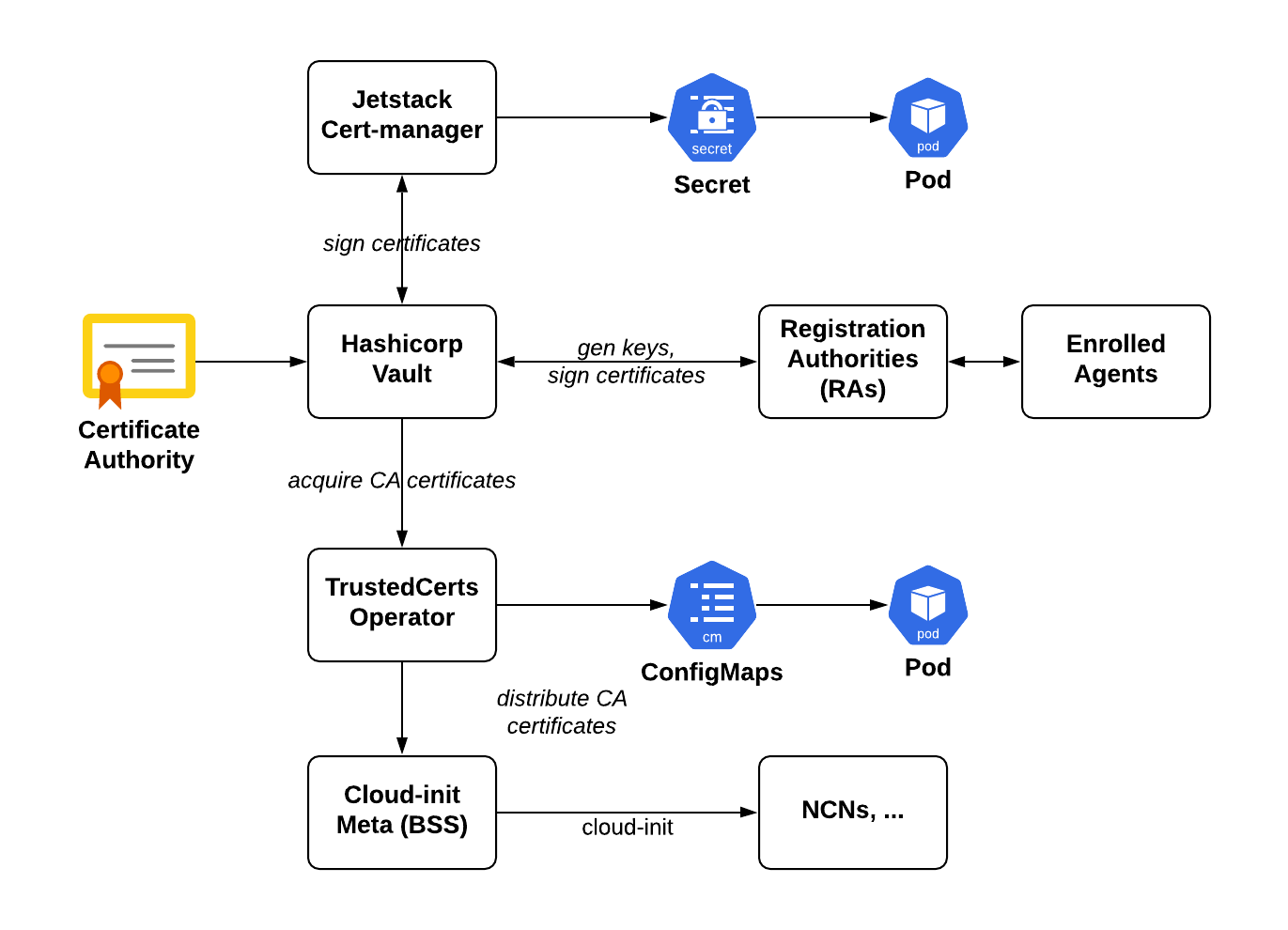
SSL/TLS certificates are digital certificates used to secure communication between a client (such as a web browser or mobile app) and a server. Their purpose is to ensure that any data exchanged across the internet remains encrypted, private, and tamper-proof. SSL stands for Secure Sockets Layer, while TLS stands for Transport Layer Security—the modern, more secure version of SSL. Even though most websites today technically use TLS, the term “SSL” is still commonly used. These certificates play a crucial role in safeguarding passwords, personal information, payment details, API calls, and other sensitive data from cyberattacks during transmission.
At the heart of SSL/TLS lies the concept of encryption. Encryption converts readable data into an unreadable format that only authorized parties can decode using cryptographic keys. SSL/TLS certificates help establish an encrypted tunnel so attackers cannot intercept or modify data through techniques like man-in-the-middle attacks. When a user visits a secure website, their browser checks the website’s certificate, confirms its authenticity, and initiates an encrypted session. This process happens in milliseconds and is completely invisible to the user, yet it drastically enhances security and trust.
SSL/TLS certificates rely on Public Key Infrastructure (PKI), a framework built on two core cryptographic keys: a public key and a private key. The public key is shared openly and used to encrypt data or verify signatures, while the private key remains secret and is used to decrypt data or create signatures. A certificate essentially binds this public key to a specific domain or organization. Certificate Authorities (CAs) such as DigiCert, Sectigo, and Let’s Encrypt validate the legitimacy of certificate requests. By issuing certificates only to verified domain owners, CAs create a chain of trust that browsers and operating systems rely upon.
The SSL/TLS handshake is a crucial part of establishing a secure connection. During this handshake, the client and server exchange cryptographic information and agree on the strongest encryption algorithms they both support. The server sends its certificate to the client, and the client verifies the certificate’s authenticity using the CA’s root certificate stored in its trust store. Once verification succeeds, both parties generate a shared secret key that enables fast symmetric encryption for the rest of the session. This combination of asymmetric and symmetric encryption ensures both security and performance.
SSL/TLS certificates come in several types depending on validation level and domain coverage. Domain Validation (DV) certificates are the most basic and are issued after verifying domain ownership, making them ideal for blogs, personal websites, and small projects. Organization Validation (OV) certificates verify both domain ownership and business identity, making them suitable for corporate websites. Extended Validation (EV) certificates undergo the strictest verification process and were once known for showing a green address bar in browsers, though modern browsers display this differently. Additionally, certificates can be single-domain, multi-domain (SAN), or wildcard certificates, depending on how many domains or subdomains they secure.
One of the most valuable benefits of SSL/TLS is authentication. Without SSL/TLS certificates, users would have no way to verify whether they are connecting to a legitimate website or a fraudulent copy created to steal information. Certificates bind a domain to a verified entity and help prevent phishing attacks, DNS spoofing, and website impersonation. When browsers detect expired, invalid, or suspicious certificates, they warn users with security alerts. These warnings are designed to prevent unsafe connections and reduce the chances of users falling into cyber traps.
In addition to security, SSL/TLS certificates contribute to trust and SEO. Modern browsers display a padlock icon in the address bar for secure sites, giving users visual assurance that the connection is protected. Sites without HTTPS show a “Not Secure” warning, which discourages users from entering personal information. Search engines like Google prefer HTTPS-enabled websites and give them ranking advantages over non-secure ones. E-commerce platforms, banking services, and online businesses rely heavily on HTTPS not only for compliance but also to build credibility and boost customer confidence.
Managing SSL/TLS certificates requires careful attention to expiration dates, server configuration, and renewal processes. Certificates typically last from 90 days (Let’s Encrypt) to two years (commercial CAs). If a certificate expires, browsers immediately block or warn users, causing loss of traffic and trust. Developers must also configure proper cipher suites, enable TLS 1.2 or TLS 1.3, disable outdated protocols like SSLv2/SSLv3, and regularly perform security scans. Misconfigurations such as weak ciphers, missing chain certificates, or incorrect server setups can create vulnerabilities even if a valid certificate is installed.
As cyber threats evolve, SSL/TLS continues to be a fundamental security layer that protects billions of online interactions every day. From securing login forms and financial transactions to encrypting APIs, emails, and mobile communication, SSL/TLS certificates form the backbone of internet security. Their ability to authenticate servers, safeguard privacy, prevent tampering, and enable trust makes them indispensable in modern digital environments. Understanding how they work helps developers, businesses, and users create safer online experiences in an increasingly interconnected world.
At the heart of SSL/TLS lies the concept of encryption. Encryption converts readable data into an unreadable format that only authorized parties can decode using cryptographic keys. SSL/TLS certificates help establish an encrypted tunnel so attackers cannot intercept or modify data through techniques like man-in-the-middle attacks. When a user visits a secure website, their browser checks the website’s certificate, confirms its authenticity, and initiates an encrypted session. This process happens in milliseconds and is completely invisible to the user, yet it drastically enhances security and trust.
SSL/TLS certificates rely on Public Key Infrastructure (PKI), a framework built on two core cryptographic keys: a public key and a private key. The public key is shared openly and used to encrypt data or verify signatures, while the private key remains secret and is used to decrypt data or create signatures. A certificate essentially binds this public key to a specific domain or organization. Certificate Authorities (CAs) such as DigiCert, Sectigo, and Let’s Encrypt validate the legitimacy of certificate requests. By issuing certificates only to verified domain owners, CAs create a chain of trust that browsers and operating systems rely upon.
The SSL/TLS handshake is a crucial part of establishing a secure connection. During this handshake, the client and server exchange cryptographic information and agree on the strongest encryption algorithms they both support. The server sends its certificate to the client, and the client verifies the certificate’s authenticity using the CA’s root certificate stored in its trust store. Once verification succeeds, both parties generate a shared secret key that enables fast symmetric encryption for the rest of the session. This combination of asymmetric and symmetric encryption ensures both security and performance.
SSL/TLS certificates come in several types depending on validation level and domain coverage. Domain Validation (DV) certificates are the most basic and are issued after verifying domain ownership, making them ideal for blogs, personal websites, and small projects. Organization Validation (OV) certificates verify both domain ownership and business identity, making them suitable for corporate websites. Extended Validation (EV) certificates undergo the strictest verification process and were once known for showing a green address bar in browsers, though modern browsers display this differently. Additionally, certificates can be single-domain, multi-domain (SAN), or wildcard certificates, depending on how many domains or subdomains they secure.
One of the most valuable benefits of SSL/TLS is authentication. Without SSL/TLS certificates, users would have no way to verify whether they are connecting to a legitimate website or a fraudulent copy created to steal information. Certificates bind a domain to a verified entity and help prevent phishing attacks, DNS spoofing, and website impersonation. When browsers detect expired, invalid, or suspicious certificates, they warn users with security alerts. These warnings are designed to prevent unsafe connections and reduce the chances of users falling into cyber traps.
In addition to security, SSL/TLS certificates contribute to trust and SEO. Modern browsers display a padlock icon in the address bar for secure sites, giving users visual assurance that the connection is protected. Sites without HTTPS show a “Not Secure” warning, which discourages users from entering personal information. Search engines like Google prefer HTTPS-enabled websites and give them ranking advantages over non-secure ones. E-commerce platforms, banking services, and online businesses rely heavily on HTTPS not only for compliance but also to build credibility and boost customer confidence.
Managing SSL/TLS certificates requires careful attention to expiration dates, server configuration, and renewal processes. Certificates typically last from 90 days (Let’s Encrypt) to two years (commercial CAs). If a certificate expires, browsers immediately block or warn users, causing loss of traffic and trust. Developers must also configure proper cipher suites, enable TLS 1.2 or TLS 1.3, disable outdated protocols like SSLv2/SSLv3, and regularly perform security scans. Misconfigurations such as weak ciphers, missing chain certificates, or incorrect server setups can create vulnerabilities even if a valid certificate is installed.
As cyber threats evolve, SSL/TLS continues to be a fundamental security layer that protects billions of online interactions every day. From securing login forms and financial transactions to encrypting APIs, emails, and mobile communication, SSL/TLS certificates form the backbone of internet security. Their ability to authenticate servers, safeguard privacy, prevent tampering, and enable trust makes them indispensable in modern digital environments. Understanding how they work helps developers, businesses, and users create safer online experiences in an increasingly interconnected world.