
The Software Development Life Cycle (SDLC) is a structured process used by software developers to design, build, test, and deliver high-quality applications efficiently and systematically. It provides a step-by-step framework that guides teams through the entire development process—from the initial idea to the final product deployment and maintenance. The primary purpose of SDLC is to reduce risks, ensure clarity, improve predictability, and deliver software that meets user requirements. In today’s fast-paced digital world, software projects continuously grow in complexity, requiring organized planning and collaboration across teams. SDLC helps solve this by breaking the development journey into well-defined phases, ensuring that each stage is completed carefully before moving to the next. Whether the project involves web apps, mobile apps, enterprise systems, or embedded solutions, SDLC acts as a universal blueprint. This process enhances communication, improves quality, reduces cost, and ensures timely delivery. Without SDLC, development becomes chaotic—leading to unclear goals, poor design, missed deadlines, uncontrolled spending, and vulnerable software. By following SDLC, developers create reliable, scalable, and user-friendly applications that support business goals and long-term growth.
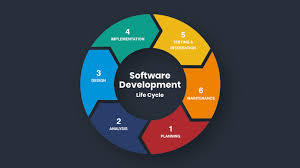
The SDLC process begins with Planning, where developers, stakeholders, and project managers evaluate the feasibility of the software. This phase includes cost estimation, time planning, resource allocation, and risk assessment. Planning ensures everyone understands the vision, objectives, and expected outcomes. The next phase, Requirement Analysis, focuses on gathering detailed information from clients and users. This includes understanding the system’s goals, functional requirements, non-functional requirements, constraints, and workflows. Business analysts and system architects translate these insights into well-documented requirement specifications. After requirements are finalized, the Design Phase begins. Here, developers create system architecture, database models, UI/UX wireframes, prototypes, and technical specifications. Design ensures the system is structured, logical, and scalable. It also determines technologies, programming languages, frameworks, and integration strategies. Once the design is approved, the Development Phase starts. This is where coding happens. Developers write the actual code, build modules, create APIs, integrate databases, and connect frontend with backend. Development usually follows methodologies like Agile, Scrum, or Waterfall depending on project needs. Good coding practices and version control tools like Git ensure that the codebase is maintainable, secure, and optimized.
After development, the Testing Phase ensures the software works correctly, safely, and efficiently. Testers perform functional testing, unit testing, system testing, integration testing, performance testing, and security testing. The goal is to detect and fix bugs before the software reaches users. Quality assurance teams use automated tools such as Selenium, JUnit, Postman, and Appium—along with manual testing—to validate every feature. Testing ensures the application meets requirements, performs reliably under different conditions, and protects users from vulnerabilities. After testing is complete, the Deployment Phase begins. This involves releasing the software to production environments where real users can access it. Deployment can be immediate or rolled out gradually using strategies like A/B testing and staged releases. Tools like Jenkins, GitHub Actions, Docker, and Kubernetes help automate deployment, reducing errors and improving speed. After deployment, the software enters the Maintenance Phase, one of the longest stages of SDLC. Maintenance includes updating the system, fixing new bugs, improving performance, adding new features, and ensuring compatibility with new devices or platforms. Regular maintenance keeps the software relevant, stable, and secure over time.
Over the years, several SDLC models have emerged to match different project requirements and team workflows. The Waterfall Model is the traditional approach where phases happen sequentially. It offers structure and clarity but is less flexible when changes arise. The Agile Model is one of the most popular modern practices, focusing on iterative development, continuous feedback, and rapid delivery. Agile encourages collaboration and adapts quickly to changing user needs. Scrum, a subset of Agile, uses sprints, stand-ups, and iterative releases to improve productivity. The V-Model runs testing in parallel with development, ensuring quality at every step. The Iterative and Incremental Model allows developers to build software in segments, improving flexibility and reducing risk. The DevOps Model integrates development and operations teams to promote automation, continuous integration, continuous delivery, and faster deployment cycles. The future of SDLC is moving toward automation, AI-assisted development, low-code platforms, and cloud-native pipelines. These innovations accelerate development, reduce human error, improve security, and allow faster scaling. No matter the model, SDLC remains essential for building successful software. It provides developers with a roadmap that ensures structured development, predictable results, high quality, and long-term sustainability.
The SDLC process begins with Planning, where developers, stakeholders, and project managers evaluate the feasibility of the software. This phase includes cost estimation, time planning, resource allocation, and risk assessment. Planning ensures everyone understands the vision, objectives, and expected outcomes. The next phase, Requirement Analysis, focuses on gathering detailed information from clients and users. This includes understanding the system’s goals, functional requirements, non-functional requirements, constraints, and workflows. Business analysts and system architects translate these insights into well-documented requirement specifications. After requirements are finalized, the Design Phase begins. Here, developers create system architecture, database models, UI/UX wireframes, prototypes, and technical specifications. Design ensures the system is structured, logical, and scalable. It also determines technologies, programming languages, frameworks, and integration strategies. Once the design is approved, the Development Phase starts. This is where coding happens. Developers write the actual code, build modules, create APIs, integrate databases, and connect frontend with backend. Development usually follows methodologies like Agile, Scrum, or Waterfall depending on project needs. Good coding practices and version control tools like Git ensure that the codebase is maintainable, secure, and optimized.
After development, the Testing Phase ensures the software works correctly, safely, and efficiently. Testers perform functional testing, unit testing, system testing, integration testing, performance testing, and security testing. The goal is to detect and fix bugs before the software reaches users. Quality assurance teams use automated tools such as Selenium, JUnit, Postman, and Appium—along with manual testing—to validate every feature. Testing ensures the application meets requirements, performs reliably under different conditions, and protects users from vulnerabilities. After testing is complete, the Deployment Phase begins. This involves releasing the software to production environments where real users can access it. Deployment can be immediate or rolled out gradually using strategies like A/B testing and staged releases. Tools like Jenkins, GitHub Actions, Docker, and Kubernetes help automate deployment, reducing errors and improving speed. After deployment, the software enters the Maintenance Phase, one of the longest stages of SDLC. Maintenance includes updating the system, fixing new bugs, improving performance, adding new features, and ensuring compatibility with new devices or platforms. Regular maintenance keeps the software relevant, stable, and secure over time.
Over the years, several SDLC models have emerged to match different project requirements and team workflows. The Waterfall Model is the traditional approach where phases happen sequentially. It offers structure and clarity but is less flexible when changes arise. The Agile Model is one of the most popular modern practices, focusing on iterative development, continuous feedback, and rapid delivery. Agile encourages collaboration and adapts quickly to changing user needs. Scrum, a subset of Agile, uses sprints, stand-ups, and iterative releases to improve productivity. The V-Model runs testing in parallel with development, ensuring quality at every step. The Iterative and Incremental Model allows developers to build software in segments, improving flexibility and reducing risk. The DevOps Model integrates development and operations teams to promote automation, continuous integration, continuous delivery, and faster deployment cycles. The future of SDLC is moving toward automation, AI-assisted development, low-code platforms, and cloud-native pipelines. These innovations accelerate development, reduce human error, improve security, and allow faster scaling. No matter the model, SDLC remains essential for building successful software. It provides developers with a roadmap that ensures structured development, predictable results, high quality, and long-term sustainability.