
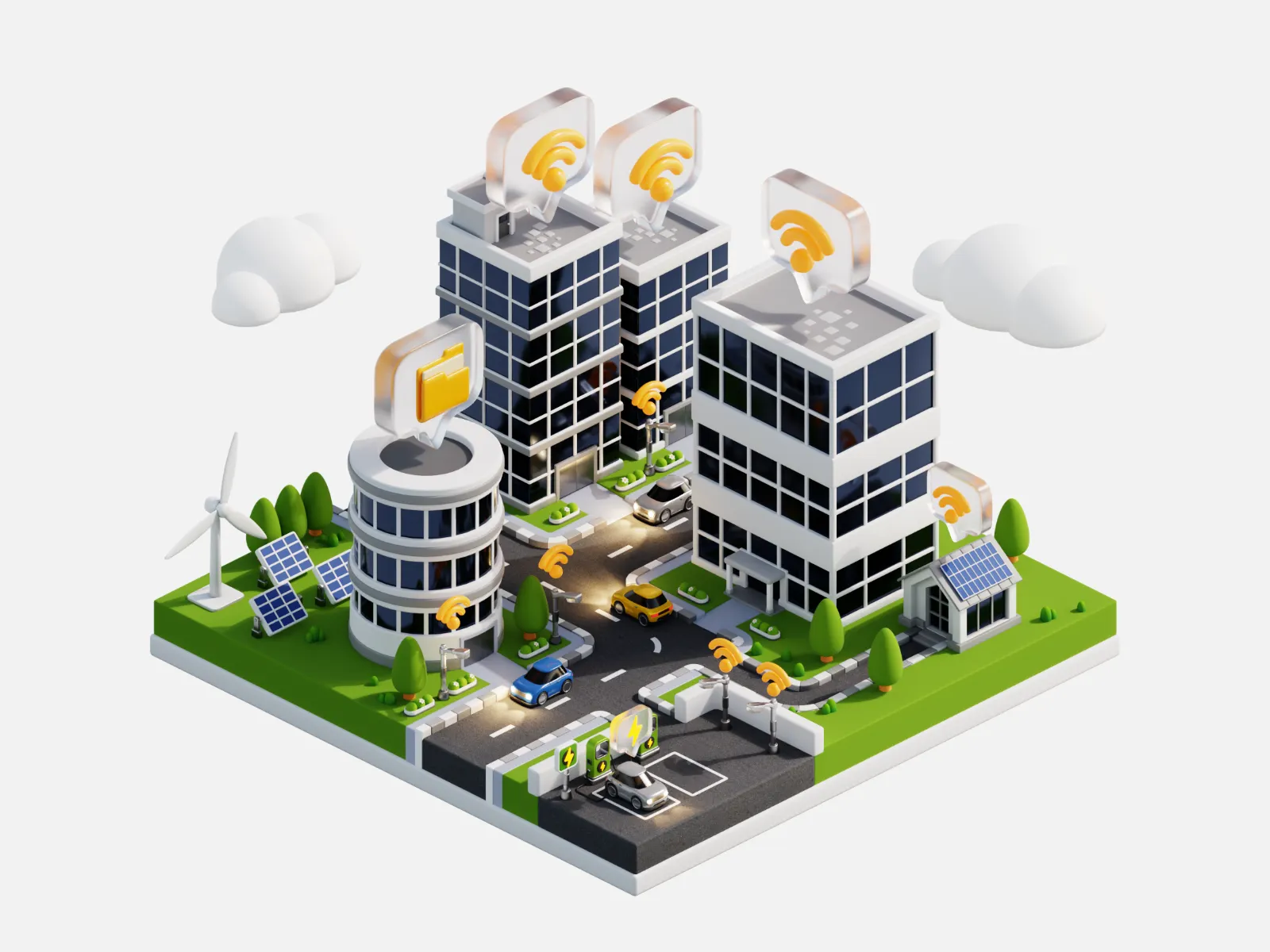
Smart Cities represent the future of urban development—integrating intelligent infrastructure, connected systems, and advanced digital technologies to improve livability, sustainability, and efficiency. As urban populations grow, the demand for better transportation, energy management, public services, and environmental quality becomes more urgent. Smart cities utilize sensors, IoT devices, AI analytics, cloud computing, and digital twins to gather real-time data and automate city operations. From smart traffic lights and energy-efficient buildings to waste management systems and autonomous public transport, intelligent infrastructure transforms cities into responsive, adaptive environments. This article explores how smart cities function, their key technologies, benefits, challenges, and the role they will play in shaping the cities of the future.
Smart cities rely on a blend of emerging technologies that work together to create connected urban ecosystems. The Internet of Things (IoT) forms the foundation by embedding sensors into roads, buildings, vehicles, power grids, and public spaces. These sensors continuously gather data on air quality, traffic flow, temperature, energy use, water levels, and more. Artificial intelligence processes this data to make real-time decisions—for example, adjusting streetlights automatically or sending alerts about water leakage. 5G enables ultra-fast communication between devices, supporting autonomous vehicles and high-density IoT installations. Cloud and edge computing ensure low-latency data processing, while blockchain enhances transparency and security in public records, citizen services, and smart contracts.
Transportation is one of the biggest challenges for modern cities, and intelligent infrastructure revolutionizes urban mobility. Smart traffic management systems use AI to optimize signal timings, reduce congestion, and prioritize emergency vehicles. Real-time data from connected cars and traffic sensors helps predict demand and adjust routes accordingly. Smart parking solutions guide drivers to available spots, reducing idle driving. Public transportation benefits from automated scheduling, GPS tracking, mobile ticketing, and occupancy monitoring. Autonomous buses, electric vehicles, and shared mobility platforms further enhance sustainability. With better mobility systems, cities can reduce pollution, decrease commute times, and improve overall efficiency.
Smart buildings and energy grids are essential for creating sustainable cities. IoT-enabled energy meters track real-time power usage, allowing buildings to optimize heating, cooling, and lighting. AI-driven HVAC systems adjust temperatures based on occupancy and weather forecasts. Smart grids integrate renewable energy sources such as solar and wind, ensuring stable power distribution. Automated load balancing and demand-response systems reduce pressure during peak hours. Microgrids and energy storage technologies allow neighborhoods to operate independently during outages. These innovations help reduce energy consumption, lower carbon emissions, and create more resilient power infrastructures.
Smart cities improve public services by digitizing administrative processes and enabling faster, more transparent governance. E-governance platforms allow citizens to access services such as bill payments, permits, and grievance submissions online. AI-powered chatbots answer public queries 24/7. Smart waste management systems use IoT sensors in bins to optimize collection routes, reducing fuel use and improving sanitation. Water management systems automatically detect leaks, monitor usage, and prevent contamination. Smart streetlights adjust brightness based on pedestrian movement, saving energy. These intelligent services increase operational efficiency and enhance quality of life for residents.
Intelligent infrastructure enhances urban healthcare by enabling remote monitoring, predictive diagnostics, and faster emergency response. Smart ambulances equipped with real-time communication systems share patient vitals with hospitals before arrival. AI-driven predictive models anticipate disease outbreaks using environmental and population data. Telemedicine kiosks in public areas provide quick medical consultations. Smart hospitals use robotics, digital records, automated pharmacy systems, and IoT-enabled medical devices for better patient care. Emergency response is improved through real-time geolocation, smart alarms, and disaster management networks. These advancements create healthier, more resilient cities capable of handling crises efficiently.
Sustainability lies at the heart of smart city development. Smart environmental sensors track air quality, noise levels, pollution sources, water quality, and weather conditions. AI systems analyze this data to improve climate resilience and reduce environmental impact. Smart irrigation systems optimize water consumption in parks and gardens. Green buildings incorporate solar power, rainwater harvesting, and energy-efficient materials. Urban planners use digital twins—virtual replicas of cities—to simulate climate impact, optimize land use, and improve resource allocation. By combining data and sustainability principles, smart cities actively work toward reducing carbon footprints and enhancing ecological balance.
Despite their potential, smart cities face several challenges. High infrastructure costs, complex system integration, and legacy infrastructure make adoption slow in developing regions. Cybersecurity threats pose major risks, as connected systems become targets for hackers. Privacy concerns arise due to extensive data collection through sensors and cameras. Ensuring digital inclusion is also critical, as not all citizens may have access to smartphones or internet services. Additionally, cities require strong governance frameworks, skilled personnel, and long-term investment strategies to ensure sustainability. Addressing these challenges is essential to building smart cities that are secure, inclusive, and resilient.
The future of smart cities will be shaped by advancements in AI, IoT, robotics, digital twins, and 6G connectivity. Cities will become more autonomous, with self-optimizing systems for transport, energy, waste, and security. Autonomous vehicles, drone-based deliveries, and robot-assisted maintenance will become common. Hyperconnected public spaces will adapt to citizen behavior and needs. AI-driven planning tools will help governments design better infrastructure and manage population growth. Smart cities will move toward zero-emission goals by integrating renewable energy and green technologies. Ultimately, the smart city of the future will be a dynamic, intelligent ecosystem designed to enhance human well-being while preserving the environment.
Smart cities and intelligent infrastructure represent a bold vision for the future of urban living. By leveraging IoT, AI, robotics, digital twins, and renewable energy solutions, cities can become more efficient, sustainable, and responsive. These technologies improve transportation, public services, healthcare, governance, and environmental management—creating a better quality of life for citizens. While challenges such as cybersecurity, privacy, and cost remain, continuous innovation and strong planning will drive the next generation of smart cities. As global populations rise and climate challenges intensify, smart cities will play a crucial role in shaping a connected, sustainable, and intelligent urban future.
Smart cities rely on a blend of emerging technologies that work together to create connected urban ecosystems. The Internet of Things (IoT) forms the foundation by embedding sensors into roads, buildings, vehicles, power grids, and public spaces. These sensors continuously gather data on air quality, traffic flow, temperature, energy use, water levels, and more. Artificial intelligence processes this data to make real-time decisions—for example, adjusting streetlights automatically or sending alerts about water leakage. 5G enables ultra-fast communication between devices, supporting autonomous vehicles and high-density IoT installations. Cloud and edge computing ensure low-latency data processing, while blockchain enhances transparency and security in public records, citizen services, and smart contracts.
Transportation is one of the biggest challenges for modern cities, and intelligent infrastructure revolutionizes urban mobility. Smart traffic management systems use AI to optimize signal timings, reduce congestion, and prioritize emergency vehicles. Real-time data from connected cars and traffic sensors helps predict demand and adjust routes accordingly. Smart parking solutions guide drivers to available spots, reducing idle driving. Public transportation benefits from automated scheduling, GPS tracking, mobile ticketing, and occupancy monitoring. Autonomous buses, electric vehicles, and shared mobility platforms further enhance sustainability. With better mobility systems, cities can reduce pollution, decrease commute times, and improve overall efficiency.
Smart buildings and energy grids are essential for creating sustainable cities. IoT-enabled energy meters track real-time power usage, allowing buildings to optimize heating, cooling, and lighting. AI-driven HVAC systems adjust temperatures based on occupancy and weather forecasts. Smart grids integrate renewable energy sources such as solar and wind, ensuring stable power distribution. Automated load balancing and demand-response systems reduce pressure during peak hours. Microgrids and energy storage technologies allow neighborhoods to operate independently during outages. These innovations help reduce energy consumption, lower carbon emissions, and create more resilient power infrastructures.
Smart cities improve public services by digitizing administrative processes and enabling faster, more transparent governance. E-governance platforms allow citizens to access services such as bill payments, permits, and grievance submissions online. AI-powered chatbots answer public queries 24/7. Smart waste management systems use IoT sensors in bins to optimize collection routes, reducing fuel use and improving sanitation. Water management systems automatically detect leaks, monitor usage, and prevent contamination. Smart streetlights adjust brightness based on pedestrian movement, saving energy. These intelligent services increase operational efficiency and enhance quality of life for residents.
Intelligent infrastructure enhances urban healthcare by enabling remote monitoring, predictive diagnostics, and faster emergency response. Smart ambulances equipped with real-time communication systems share patient vitals with hospitals before arrival. AI-driven predictive models anticipate disease outbreaks using environmental and population data. Telemedicine kiosks in public areas provide quick medical consultations. Smart hospitals use robotics, digital records, automated pharmacy systems, and IoT-enabled medical devices for better patient care. Emergency response is improved through real-time geolocation, smart alarms, and disaster management networks. These advancements create healthier, more resilient cities capable of handling crises efficiently.
Sustainability lies at the heart of smart city development. Smart environmental sensors track air quality, noise levels, pollution sources, water quality, and weather conditions. AI systems analyze this data to improve climate resilience and reduce environmental impact. Smart irrigation systems optimize water consumption in parks and gardens. Green buildings incorporate solar power, rainwater harvesting, and energy-efficient materials. Urban planners use digital twins—virtual replicas of cities—to simulate climate impact, optimize land use, and improve resource allocation. By combining data and sustainability principles, smart cities actively work toward reducing carbon footprints and enhancing ecological balance.
Despite their potential, smart cities face several challenges. High infrastructure costs, complex system integration, and legacy infrastructure make adoption slow in developing regions. Cybersecurity threats pose major risks, as connected systems become targets for hackers. Privacy concerns arise due to extensive data collection through sensors and cameras. Ensuring digital inclusion is also critical, as not all citizens may have access to smartphones or internet services. Additionally, cities require strong governance frameworks, skilled personnel, and long-term investment strategies to ensure sustainability. Addressing these challenges is essential to building smart cities that are secure, inclusive, and resilient.
The future of smart cities will be shaped by advancements in AI, IoT, robotics, digital twins, and 6G connectivity. Cities will become more autonomous, with self-optimizing systems for transport, energy, waste, and security. Autonomous vehicles, drone-based deliveries, and robot-assisted maintenance will become common. Hyperconnected public spaces will adapt to citizen behavior and needs. AI-driven planning tools will help governments design better infrastructure and manage population growth. Smart cities will move toward zero-emission goals by integrating renewable energy and green technologies. Ultimately, the smart city of the future will be a dynamic, intelligent ecosystem designed to enhance human well-being while preserving the environment.
Smart cities and intelligent infrastructure represent a bold vision for the future of urban living. By leveraging IoT, AI, robotics, digital twins, and renewable energy solutions, cities can become more efficient, sustainable, and responsive. These technologies improve transportation, public services, healthcare, governance, and environmental management—creating a better quality of life for citizens. While challenges such as cybersecurity, privacy, and cost remain, continuous innovation and strong planning will drive the next generation of smart cities. As global populations rise and climate challenges intensify, smart cities will play a crucial role in shaping a connected, sustainable, and intelligent urban future.