
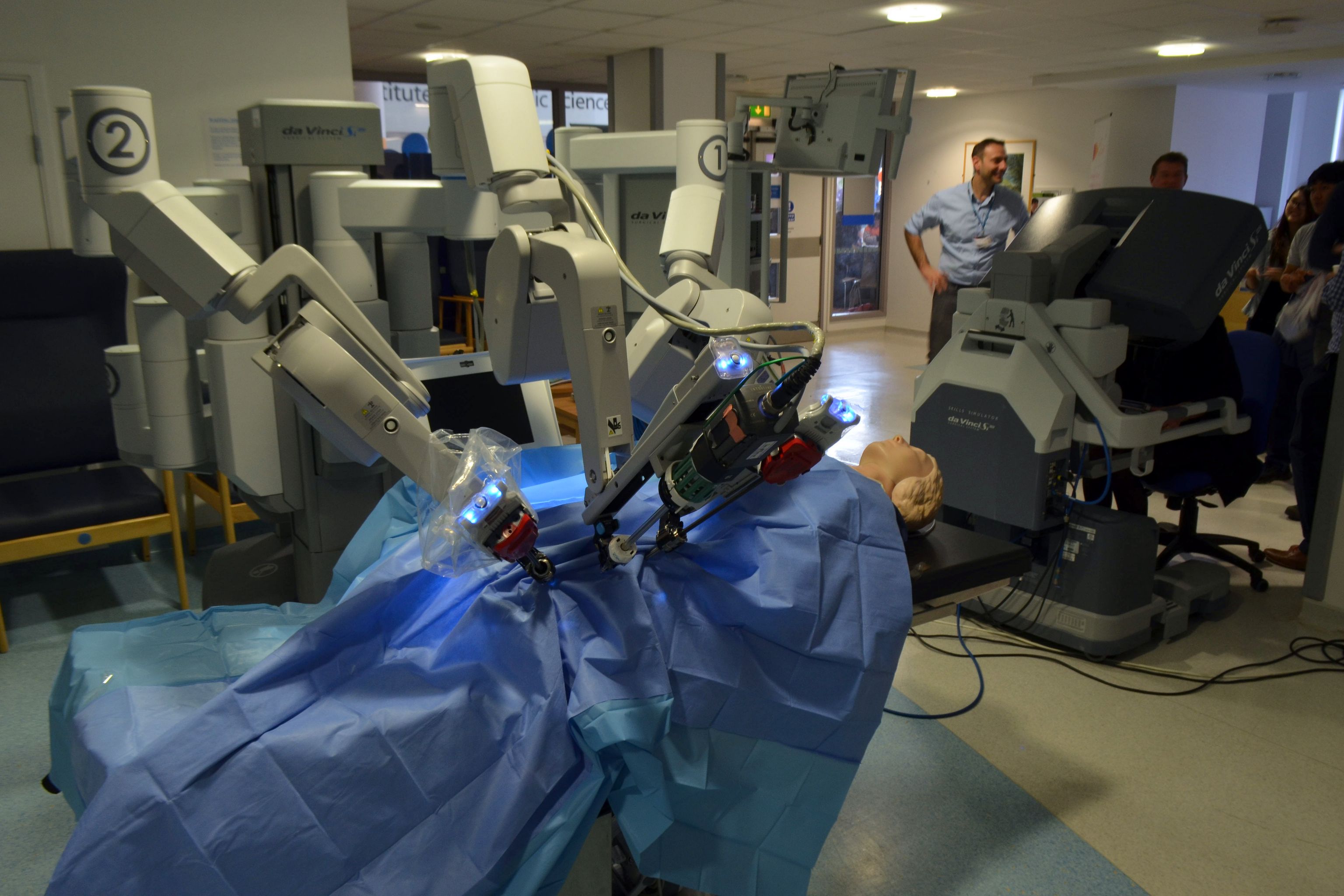
Robotics has become one of the most transformative forces in modern healthcare, reshaping surgical procedures, hospital operations, rehabilitation, diagnostics, and patient care. With precision, consistency, and automation at their core, medical robots enhance the capabilities of healthcare professionals while minimizing human limitations such as fatigue, trembling hands, or reduced visibility. From minimally invasive robotic surgeries to AI-powered diagnostic robots and automated hospital assistants, robotics is pushing the boundaries of what healthcare can achieve. The adoption of medical robotics is driven by the need for safer surgeries, faster recovery, improved accuracy, and optimized workflows. This article explores the evolution, technologies, use cases, benefits, and challenges of robotics in healthcare and surgery.
Surgical robotics emerged to address the limitations of traditional open and laparoscopic surgeries. Systems like the Da Vinci Surgical System allow surgeons to operate through tiny incisions using robotic arms that provide enhanced precision, range of motion, and stability. Surgeons control these arms through a console, enabling microsurgical accuracy that exceeds human capability. Robotic-assisted surgeries have become common in fields such as urology, gynecology, cardiac surgery, orthopedics, and oncology. Robotic tools can navigate narrow anatomical spaces, reduce blood loss, minimize trauma, and shorten recovery times. As technology advances, surgical robotics is moving toward autonomous and AI-assisted capabilities, opening new frontiers in healthcare.
One of the greatest advantages of robotic surgery is enhanced precision. Robots eliminate natural tremors and offer high-definition 3D visualization, giving surgeons unprecedented clarity. These systems can scale movements—meaning a surgeon’s large hand motion can be translated into extremely small and precise robotic movements. Minimally invasive robotic surgery reduces the size of incisions, leading to less postoperative pain, shorter hospital stays, and lower infection risks. In complex procedures like tumor removals or reconstructive surgeries, the accuracy provided by robotics helps preserve healthy tissues while targeting the affected area effectively. These capabilities have significantly improved surgical outcomes across specialties.
Beyond surgery, robotics plays a vital role in rehabilitation and long-term patient recovery. Robotic exoskeletons help patients with spinal injuries, stroke-induced disabilities, or muscular disorders regain mobility by guiding their limbs to perform repetitive movement patterns. AI-powered physical therapy robots personalize rehabilitation exercises based on patient progress and real-time feedback. Assistive robots support elderly patients with daily activities such as lifting, walking, medication management, and emergency alert systems. Social robots provide companionship, mental wellness support, and cognitive therapy for patients with dementia or developmental disorders. These innovations reduce caregiver burden while improving patient independence and quality of life.
Medical robots are increasingly being used in imaging and diagnostics. Autonomous diagnostic robots assist in imaging-guided biopsies, ultrasound scanning, and automated blood draws. AI-powered robotic systems analyze medical images for early detection of diseases like cancer, heart disorders, and neurological conditions. Microbots—tiny robots inserted into the body—are being researched to perform targeted drug delivery or navigate inside the bloodstream for diagnosis. Robotic imaging devices improve accuracy in CT, MRI, and PET scans by stabilizing patient positioning and automating repetitive tasks. Precision medicine also benefits from robotic automation in laboratories, accelerating genetic sequencing, sample preparation, and high-throughput testing.
Robotics is streamlining hospital operations by automating tasks that are repetitive, labor-intensive, or prone to error. Autonomous robots transport medications, lab samples, linens, and meals within hospitals, reducing human workload and ensuring efficiency. UV disinfection robots sanitize rooms using ultraviolet light to destroy pathogens, improving hygiene standards and preventing hospital-acquired infections. Pharmacy automation systems prepare prescriptions with high accuracy, eliminating dispensing errors. Administrative robots help with patient check-ins, telepresence consultations, and data entry. These innovations create a safer, faster, and more efficient healthcare environment for both staff and patients.
AI is elevating robotics in healthcare to a new level. Machine learning algorithms help robots analyze imaging data, plan incision paths, avoid vital structures, and guide surgical instruments. Researchers are experimenting with autonomous robotic surgeries where robots can perform specific tasks—like suturing or drilling—without direct human control. With continual learning from thousands of procedures, AI-driven surgical robots could one day assist or even perform complex surgeries with extraordinary accuracy. Real-time analytics, predictive modeling, and surgical video analysis help surgeons make informed decisions and enhance collaboration between humans and machines.
Despite its benefits, robotics in healthcare comes with challenges. The high cost of robotic systems limits adoption, especially in developing regions. Surgeons require extensive training to operate robotic systems safely, and technical failures could cause surgical complications. Ethical concerns arise when considering autonomous robotic procedures—such as accountability during errors or malpractice. Data privacy is another challenge as systems rely on sensitive patient information. Regulatory frameworks must evolve to ensure robotic systems meet safety, reliability, and accuracy standards. Addressing these challenges is essential for safe, responsible, and equitable adoption of medical robotics.
Robotics in healthcare and surgery is reshaping the future of medicine. With unparalleled precision, automation, and intelligence, medical robots are improving surgical outcomes, enhancing rehabilitation, optimizing hospital operations, and delivering next-generation diagnostics. While challenges remain, continuous advances in AI, robotics engineering, sensors, materials science, and clinical research will accelerate adoption worldwide. The future healthcare ecosystem will be a collaborative environment where human expertise and robotic precision work hand in hand. As innovations continue, robotics will not just support healthcare—it will redefine what is medically possible.
Surgical robotics emerged to address the limitations of traditional open and laparoscopic surgeries. Systems like the Da Vinci Surgical System allow surgeons to operate through tiny incisions using robotic arms that provide enhanced precision, range of motion, and stability. Surgeons control these arms through a console, enabling microsurgical accuracy that exceeds human capability. Robotic-assisted surgeries have become common in fields such as urology, gynecology, cardiac surgery, orthopedics, and oncology. Robotic tools can navigate narrow anatomical spaces, reduce blood loss, minimize trauma, and shorten recovery times. As technology advances, surgical robotics is moving toward autonomous and AI-assisted capabilities, opening new frontiers in healthcare.
One of the greatest advantages of robotic surgery is enhanced precision. Robots eliminate natural tremors and offer high-definition 3D visualization, giving surgeons unprecedented clarity. These systems can scale movements—meaning a surgeon’s large hand motion can be translated into extremely small and precise robotic movements. Minimally invasive robotic surgery reduces the size of incisions, leading to less postoperative pain, shorter hospital stays, and lower infection risks. In complex procedures like tumor removals or reconstructive surgeries, the accuracy provided by robotics helps preserve healthy tissues while targeting the affected area effectively. These capabilities have significantly improved surgical outcomes across specialties.
Beyond surgery, robotics plays a vital role in rehabilitation and long-term patient recovery. Robotic exoskeletons help patients with spinal injuries, stroke-induced disabilities, or muscular disorders regain mobility by guiding their limbs to perform repetitive movement patterns. AI-powered physical therapy robots personalize rehabilitation exercises based on patient progress and real-time feedback. Assistive robots support elderly patients with daily activities such as lifting, walking, medication management, and emergency alert systems. Social robots provide companionship, mental wellness support, and cognitive therapy for patients with dementia or developmental disorders. These innovations reduce caregiver burden while improving patient independence and quality of life.
Medical robots are increasingly being used in imaging and diagnostics. Autonomous diagnostic robots assist in imaging-guided biopsies, ultrasound scanning, and automated blood draws. AI-powered robotic systems analyze medical images for early detection of diseases like cancer, heart disorders, and neurological conditions. Microbots—tiny robots inserted into the body—are being researched to perform targeted drug delivery or navigate inside the bloodstream for diagnosis. Robotic imaging devices improve accuracy in CT, MRI, and PET scans by stabilizing patient positioning and automating repetitive tasks. Precision medicine also benefits from robotic automation in laboratories, accelerating genetic sequencing, sample preparation, and high-throughput testing.
Robotics is streamlining hospital operations by automating tasks that are repetitive, labor-intensive, or prone to error. Autonomous robots transport medications, lab samples, linens, and meals within hospitals, reducing human workload and ensuring efficiency. UV disinfection robots sanitize rooms using ultraviolet light to destroy pathogens, improving hygiene standards and preventing hospital-acquired infections. Pharmacy automation systems prepare prescriptions with high accuracy, eliminating dispensing errors. Administrative robots help with patient check-ins, telepresence consultations, and data entry. These innovations create a safer, faster, and more efficient healthcare environment for both staff and patients.
AI is elevating robotics in healthcare to a new level. Machine learning algorithms help robots analyze imaging data, plan incision paths, avoid vital structures, and guide surgical instruments. Researchers are experimenting with autonomous robotic surgeries where robots can perform specific tasks—like suturing or drilling—without direct human control. With continual learning from thousands of procedures, AI-driven surgical robots could one day assist or even perform complex surgeries with extraordinary accuracy. Real-time analytics, predictive modeling, and surgical video analysis help surgeons make informed decisions and enhance collaboration between humans and machines.
Despite its benefits, robotics in healthcare comes with challenges. The high cost of robotic systems limits adoption, especially in developing regions. Surgeons require extensive training to operate robotic systems safely, and technical failures could cause surgical complications. Ethical concerns arise when considering autonomous robotic procedures—such as accountability during errors or malpractice. Data privacy is another challenge as systems rely on sensitive patient information. Regulatory frameworks must evolve to ensure robotic systems meet safety, reliability, and accuracy standards. Addressing these challenges is essential for safe, responsible, and equitable adoption of medical robotics.
Robotics in healthcare and surgery is reshaping the future of medicine. With unparalleled precision, automation, and intelligence, medical robots are improving surgical outcomes, enhancing rehabilitation, optimizing hospital operations, and delivering next-generation diagnostics. While challenges remain, continuous advances in AI, robotics engineering, sensors, materials science, and clinical research will accelerate adoption worldwide. The future healthcare ecosystem will be a collaborative environment where human expertise and robotic precision work hand in hand. As innovations continue, robotics will not just support healthcare—it will redefine what is medically possible.