
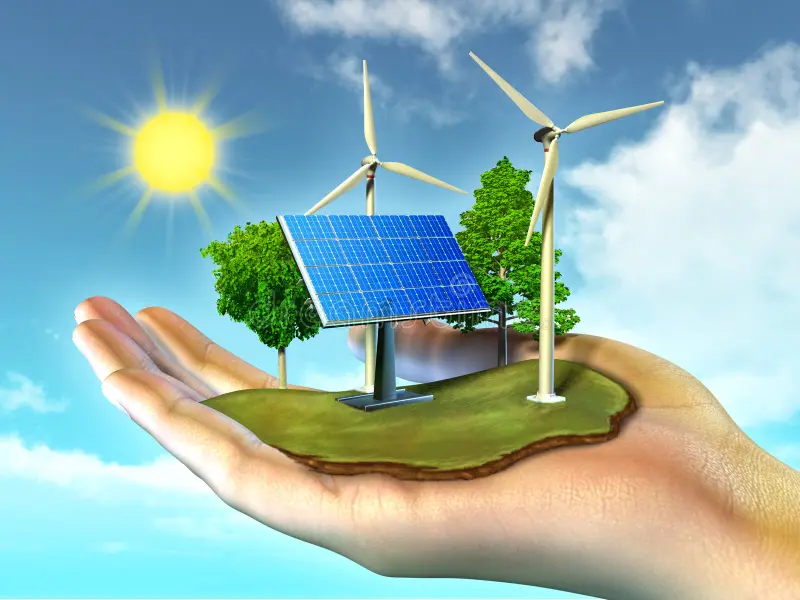
Renewable energy technology is undergoing rapid advancement as the world transitions away from fossil fuels. Improvements in solar, wind, hydro, geothermal, and next-generation storage systems are accelerating the shift toward sustainable energy. These innovations aim to make renewable power cheaper, more efficient, and more reliable.
Solar technology has seen remarkable progress. Modern photovoltaic panels deliver higher efficiency through perovskite materials, bifacial panels, and tandem solar cells. These technologies capture more sunlight and produce greater energy at lower costs. Solar energy is now one of the cheapest electricity sources globally.
Wind energy is also evolving. Larger turbines, better blade aerodynamics, and floating offshore wind platforms allow power generation in deeper ocean waters with stronger winds. AI-enabled predictive maintenance optimizes turbine performance and reduces downtime.
Energy storage breakthroughs are essential for renewable adoption. Lithium-ion batteries continue to improve, while new chemistries such as sodium-ion, solid-state, and iron-air batteries promise cheaper, safer, and longer-duration storage—solving intermittency issues for solar and wind.
Hydrogen is emerging as a key player in renewable energy systems. Green hydrogen, produced using renewable-powered electrolysis, offers clean fuel for industry, transportation, and energy storage. Falling electrolyzer costs make hydrogen more viable as a long-term solution.
Smart grids are enhancing renewable energy distribution. Modern grids use real-time data, automation, and demand-response technologies to balance loads efficiently. They can integrate distributed energy sources such as rooftop solar, microgrids, and home batteries.
Innovations are happening in geothermal, tidal, and wave energy. Enhanced geothermal systems enable drilling deeper into Earth’s crust to unlock abundant heat. Ocean power technologies capture energy from tides and waves—offering highly predictable renewable sources.
Challenges still exist, including land availability, rare material use, and infrastructure limitations. However, continuous R&D and government incentives are helping overcome these barriers.
The future of renewable energy is bright. As innovation accelerates, renewable technologies are expected to power most of the global energy system, creating a cleaner and more resilient world.
Solar technology has seen remarkable progress. Modern photovoltaic panels deliver higher efficiency through perovskite materials, bifacial panels, and tandem solar cells. These technologies capture more sunlight and produce greater energy at lower costs. Solar energy is now one of the cheapest electricity sources globally.
Wind energy is also evolving. Larger turbines, better blade aerodynamics, and floating offshore wind platforms allow power generation in deeper ocean waters with stronger winds. AI-enabled predictive maintenance optimizes turbine performance and reduces downtime.
Energy storage breakthroughs are essential for renewable adoption. Lithium-ion batteries continue to improve, while new chemistries such as sodium-ion, solid-state, and iron-air batteries promise cheaper, safer, and longer-duration storage—solving intermittency issues for solar and wind.
Hydrogen is emerging as a key player in renewable energy systems. Green hydrogen, produced using renewable-powered electrolysis, offers clean fuel for industry, transportation, and energy storage. Falling electrolyzer costs make hydrogen more viable as a long-term solution.
Smart grids are enhancing renewable energy distribution. Modern grids use real-time data, automation, and demand-response technologies to balance loads efficiently. They can integrate distributed energy sources such as rooftop solar, microgrids, and home batteries.
Innovations are happening in geothermal, tidal, and wave energy. Enhanced geothermal systems enable drilling deeper into Earth’s crust to unlock abundant heat. Ocean power technologies capture energy from tides and waves—offering highly predictable renewable sources.
Challenges still exist, including land availability, rare material use, and infrastructure limitations. However, continuous R&D and government incentives are helping overcome these barriers.
The future of renewable energy is bright. As innovation accelerates, renewable technologies are expected to power most of the global energy system, creating a cleaner and more resilient world.