
Remarketing and retargeting strategies focus on reconnecting with users who have already interacted with a brand but did not complete a desired action such as making a purchase, signing up, or submitting a form. These strategies are designed to keep the brand visible in the customer’s mind by reminding them of products or services they previously viewed or showed interest in. Since these users are already familiar with the brand, they are more likely to convert compared to first-time visitors. By re-engaging warm audiences, businesses can reduce wasted traffic and increase the overall effectiveness of their marketing efforts.
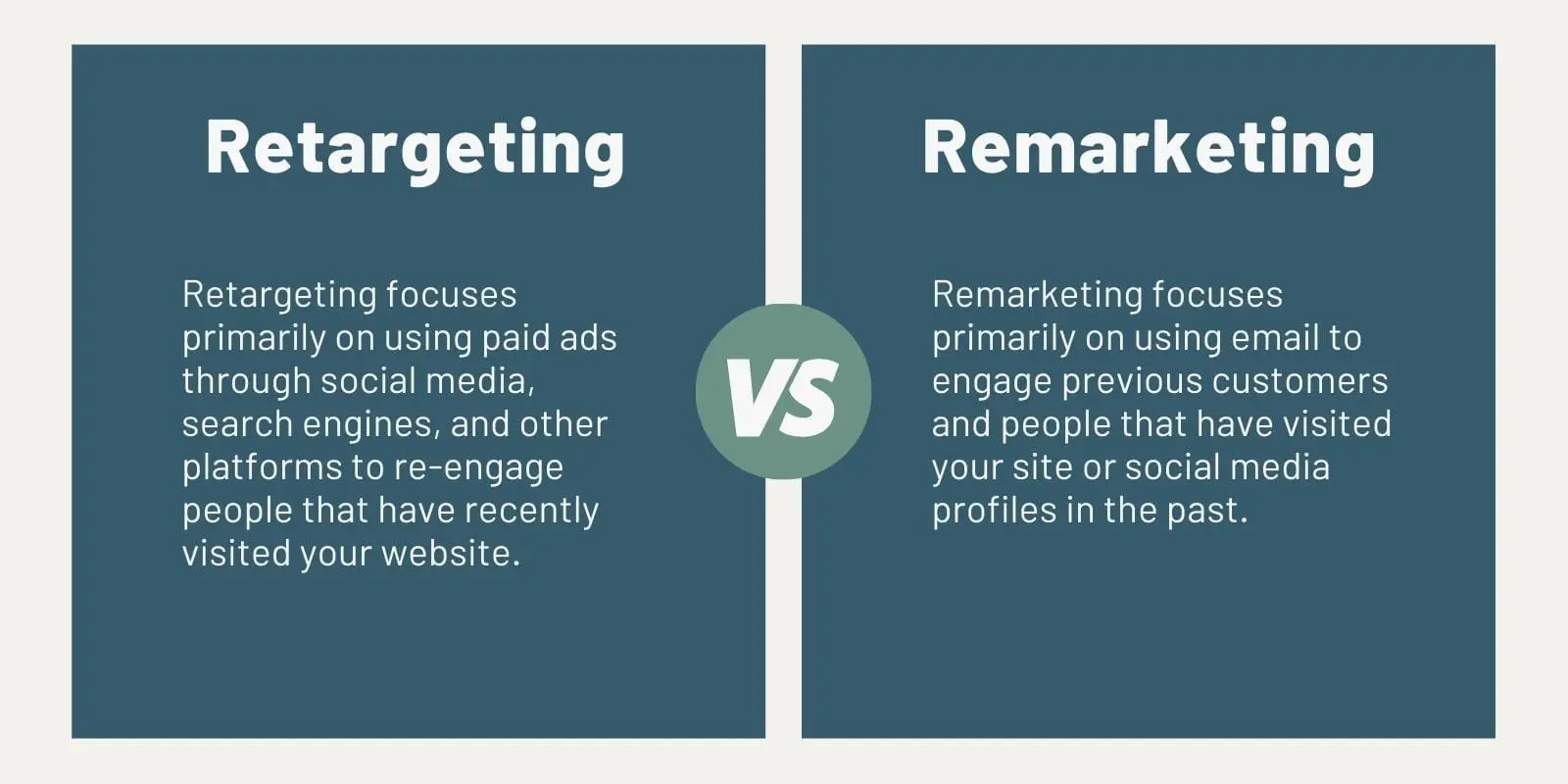
Remarketing and retargeting differ slightly in execution but work toward the same goal of bringing users back into the sales funnel. Remarketing typically involves email-based campaigns that target users who have subscribed to newsletters, abandoned shopping carts, or interacted with previous content. Retargeting, on the other hand, relies on display and social media ads that follow users across websites and platforms using tracking technologies like cookies and pixels. Together, these methods create multiple touchpoints that gently remind users to return and complete their intended actions.
One of the biggest advantages of remarketing and retargeting is their ability to significantly improve conversion rates. Many customers do not convert on their first visit due to hesitation, lack of urgency, or the need for further research. Repeated exposure through well-timed reminders builds familiarity and trust over time. When users repeatedly see relevant messages from a brand, they become more comfortable and confident, increasing the likelihood of taking action during a later interaction.
Audience segmentation plays a crucial role in the success of remarketing campaigns. Businesses can segment users based on specific behaviors such as pages visited, products viewed, time spent on the website, or actions taken. This allows marketers to deliver highly personalized messages that match user intent and interest levels. Personalized remarketing campaigns feel more relevant and helpful, leading to higher engagement rates and better campaign performance.
Creative ad design is another key factor in effective retargeting strategies. Ads should be visually appealing and communicate clear value by highlighting product benefits, offering discounts, or creating a sense of urgency through limited-time offers. Using fresh creatives and varied messaging helps prevent ad fatigue and irritation. When ads feel repetitive or irrelevant, users may become annoyed, which can negatively impact brand perception.
Popular platforms such as Google Ads, Facebook, and Instagram provide advanced remarketing and retargeting tools that help businesses reach their audience across multiple devices and channels. These platforms allow advertisers to create custom audiences, track user behavior, and deliver ads at the right moment in the customer journey. Cross-device targeting ensures consistent messaging, whether users are browsing on mobile, tablet, or desktop.
Performance tracking is essential for optimizing remarketing and retargeting campaigns. Key metrics such as click-through rate, conversion rate, return on ad spend, and cost per conversion provide valuable insights into campaign effectiveness. Continuous testing of ad creatives, audience segments, and messaging helps marketers refine their strategy and improve results over time. Data-driven optimization ensures that campaigns remain efficient and profitable.
In conclusion, remarketing and retargeting strategies are powerful tools for recovering lost opportunities and increasing conversions. When implemented thoughtfully with proper segmentation, creative messaging, and performance analysis, these strategies not only boost ROI but also strengthen brand recall and customer relationships, making them an essential part of any digital marketing strategy.
Remarketing and retargeting differ slightly in execution but work toward the same goal of bringing users back into the sales funnel. Remarketing typically involves email-based campaigns that target users who have subscribed to newsletters, abandoned shopping carts, or interacted with previous content. Retargeting, on the other hand, relies on display and social media ads that follow users across websites and platforms using tracking technologies like cookies and pixels. Together, these methods create multiple touchpoints that gently remind users to return and complete their intended actions.
One of the biggest advantages of remarketing and retargeting is their ability to significantly improve conversion rates. Many customers do not convert on their first visit due to hesitation, lack of urgency, or the need for further research. Repeated exposure through well-timed reminders builds familiarity and trust over time. When users repeatedly see relevant messages from a brand, they become more comfortable and confident, increasing the likelihood of taking action during a later interaction.
Audience segmentation plays a crucial role in the success of remarketing campaigns. Businesses can segment users based on specific behaviors such as pages visited, products viewed, time spent on the website, or actions taken. This allows marketers to deliver highly personalized messages that match user intent and interest levels. Personalized remarketing campaigns feel more relevant and helpful, leading to higher engagement rates and better campaign performance.
Creative ad design is another key factor in effective retargeting strategies. Ads should be visually appealing and communicate clear value by highlighting product benefits, offering discounts, or creating a sense of urgency through limited-time offers. Using fresh creatives and varied messaging helps prevent ad fatigue and irritation. When ads feel repetitive or irrelevant, users may become annoyed, which can negatively impact brand perception.
Popular platforms such as Google Ads, Facebook, and Instagram provide advanced remarketing and retargeting tools that help businesses reach their audience across multiple devices and channels. These platforms allow advertisers to create custom audiences, track user behavior, and deliver ads at the right moment in the customer journey. Cross-device targeting ensures consistent messaging, whether users are browsing on mobile, tablet, or desktop.
Performance tracking is essential for optimizing remarketing and retargeting campaigns. Key metrics such as click-through rate, conversion rate, return on ad spend, and cost per conversion provide valuable insights into campaign effectiveness. Continuous testing of ad creatives, audience segments, and messaging helps marketers refine their strategy and improve results over time. Data-driven optimization ensures that campaigns remain efficient and profitable.
In conclusion, remarketing and retargeting strategies are powerful tools for recovering lost opportunities and increasing conversions. When implemented thoughtfully with proper segmentation, creative messaging, and performance analysis, these strategies not only boost ROI but also strengthen brand recall and customer relationships, making them an essential part of any digital marketing strategy.