
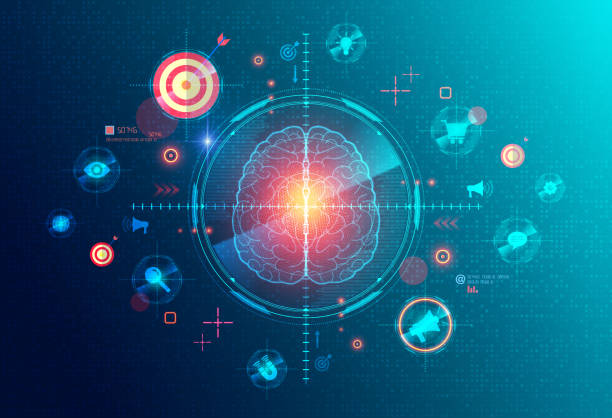
Neuromarketing and behavioral science explore how the human brain processes marketing messages, visual signals, emotional content, and product experiences. By studying subconscious motivations, cognitive biases, and emotional triggers, brands gain deeper insight into what drives consumer choices. This allows marketers to create campaigns and products that resonate on a neurological and emotional level, moving beyond surface-level engagement to influence decision-making more effectively and authentically.
Neuromarketing leverages scientific tools such as EEG, eye-tracking systems, biometric sensors, galvanic skin response monitors, and fMRI scans to measure how people respond to stimuli. These technologies detect micro-reactions—changes in attention, stress, excitement, confusion, or cognitive load—that traditional surveys often miss. The data reveals which visuals capture attention instantly, which messages trigger emotional resonance, and where users experience friction. This neuroscientific perspective helps marketers refine content with precision and create experiences that align naturally with human perception.
Behavioral science provides a complementary framework by explaining the psychological patterns behind decisions. Concepts such as nudges, loss aversion, anchoring, confirmation bias, and social proof guide marketers in shaping customer behavior without coercion. Scarcity messaging increases urgency, default settings simplify choices, and social endorsements build trust and credibility. These principles help design marketing strategies that are both persuasive and ethical, reflecting real human behavior rather than assumptions.
An emotional connection is at the heart of neuromarketing success. The brain reacts strongly to stories, relatable characters, vivid imagery, and empathetic moments. Brands that evoke joy, nostalgia, excitement, or inspiration create deeper cognitive imprints, making their messages more memorable. Emotional storytelling enhances brand affinity and strengthens customer loyalty, as people are more likely to remember how a brand made them feel rather than the information it presented.
User experience (UX) and design are major beneficiaries of behavioral insights. Eye-tracking studies show where users focus first, how they scan pages, and when they lose interest. With this knowledge, designers structure layouts that reduce cognitive load, highlight key actions, and encourage smooth navigation. Neuromarketing thus informs color choices, spacing, content hierarchy, and micro-interactions to make digital experiences more intuitive and engaging.
Beyond digital interfaces, neuromarketing enhances advertising, packaging, pricing, and brand positioning. Subtle elements such as color psychology, typography, sound effects, pacing, and visual hierarchy influence perception and behavior. A product package that feels premium, a sound cue that signals satisfaction, or a color scheme that evokes trust can significantly impact buying decisions. These small design choices have measurable effects on consumer responses.
Ethical considerations are critical in neuromarketing because these techniques tap into subconscious processes. While insights can help improve user experiences, they can also be misused to manipulate emotions or exploit vulnerabilities. Responsible neuromarketing requires transparency, respect for user autonomy, and adherence to ethical guidelines that prioritize user welfare. The goal is to enhance value—not to manipulate behavior unfairly.
Cultural differences play an important role in neuromarketing research. Emotional responses, symbols, humor styles, color meanings, and decision-making patterns vary across regions and communities. Global brands must conduct localized research to ensure campaigns resonate with diverse audiences and avoid misinterpretations. Culturally sensitive neuromarketing ensures that strategies are both effective and respectful of global diversity.
Neuromarketing and behavioral science give marketers a powerful advantage by revealing how customers think, feel, and react at a deeper level. When applied responsibly, these fields enable emotionally intelligent, psychologically aligned marketing strategies that build trust, enhance engagement, and strengthen brand relationships. They transform marketing into a science-backed discipline that connects authentically with audiences and supports meaningful, lasting impact.
Neuromarketing leverages scientific tools such as EEG, eye-tracking systems, biometric sensors, galvanic skin response monitors, and fMRI scans to measure how people respond to stimuli. These technologies detect micro-reactions—changes in attention, stress, excitement, confusion, or cognitive load—that traditional surveys often miss. The data reveals which visuals capture attention instantly, which messages trigger emotional resonance, and where users experience friction. This neuroscientific perspective helps marketers refine content with precision and create experiences that align naturally with human perception.
Behavioral science provides a complementary framework by explaining the psychological patterns behind decisions. Concepts such as nudges, loss aversion, anchoring, confirmation bias, and social proof guide marketers in shaping customer behavior without coercion. Scarcity messaging increases urgency, default settings simplify choices, and social endorsements build trust and credibility. These principles help design marketing strategies that are both persuasive and ethical, reflecting real human behavior rather than assumptions.
An emotional connection is at the heart of neuromarketing success. The brain reacts strongly to stories, relatable characters, vivid imagery, and empathetic moments. Brands that evoke joy, nostalgia, excitement, or inspiration create deeper cognitive imprints, making their messages more memorable. Emotional storytelling enhances brand affinity and strengthens customer loyalty, as people are more likely to remember how a brand made them feel rather than the information it presented.
User experience (UX) and design are major beneficiaries of behavioral insights. Eye-tracking studies show where users focus first, how they scan pages, and when they lose interest. With this knowledge, designers structure layouts that reduce cognitive load, highlight key actions, and encourage smooth navigation. Neuromarketing thus informs color choices, spacing, content hierarchy, and micro-interactions to make digital experiences more intuitive and engaging.
Beyond digital interfaces, neuromarketing enhances advertising, packaging, pricing, and brand positioning. Subtle elements such as color psychology, typography, sound effects, pacing, and visual hierarchy influence perception and behavior. A product package that feels premium, a sound cue that signals satisfaction, or a color scheme that evokes trust can significantly impact buying decisions. These small design choices have measurable effects on consumer responses.
Ethical considerations are critical in neuromarketing because these techniques tap into subconscious processes. While insights can help improve user experiences, they can also be misused to manipulate emotions or exploit vulnerabilities. Responsible neuromarketing requires transparency, respect for user autonomy, and adherence to ethical guidelines that prioritize user welfare. The goal is to enhance value—not to manipulate behavior unfairly.
Cultural differences play an important role in neuromarketing research. Emotional responses, symbols, humor styles, color meanings, and decision-making patterns vary across regions and communities. Global brands must conduct localized research to ensure campaigns resonate with diverse audiences and avoid misinterpretations. Culturally sensitive neuromarketing ensures that strategies are both effective and respectful of global diversity.
Neuromarketing and behavioral science give marketers a powerful advantage by revealing how customers think, feel, and react at a deeper level. When applied responsibly, these fields enable emotionally intelligent, psychologically aligned marketing strategies that build trust, enhance engagement, and strengthen brand relationships. They transform marketing into a science-backed discipline that connects authentically with audiences and supports meaningful, lasting impact.