
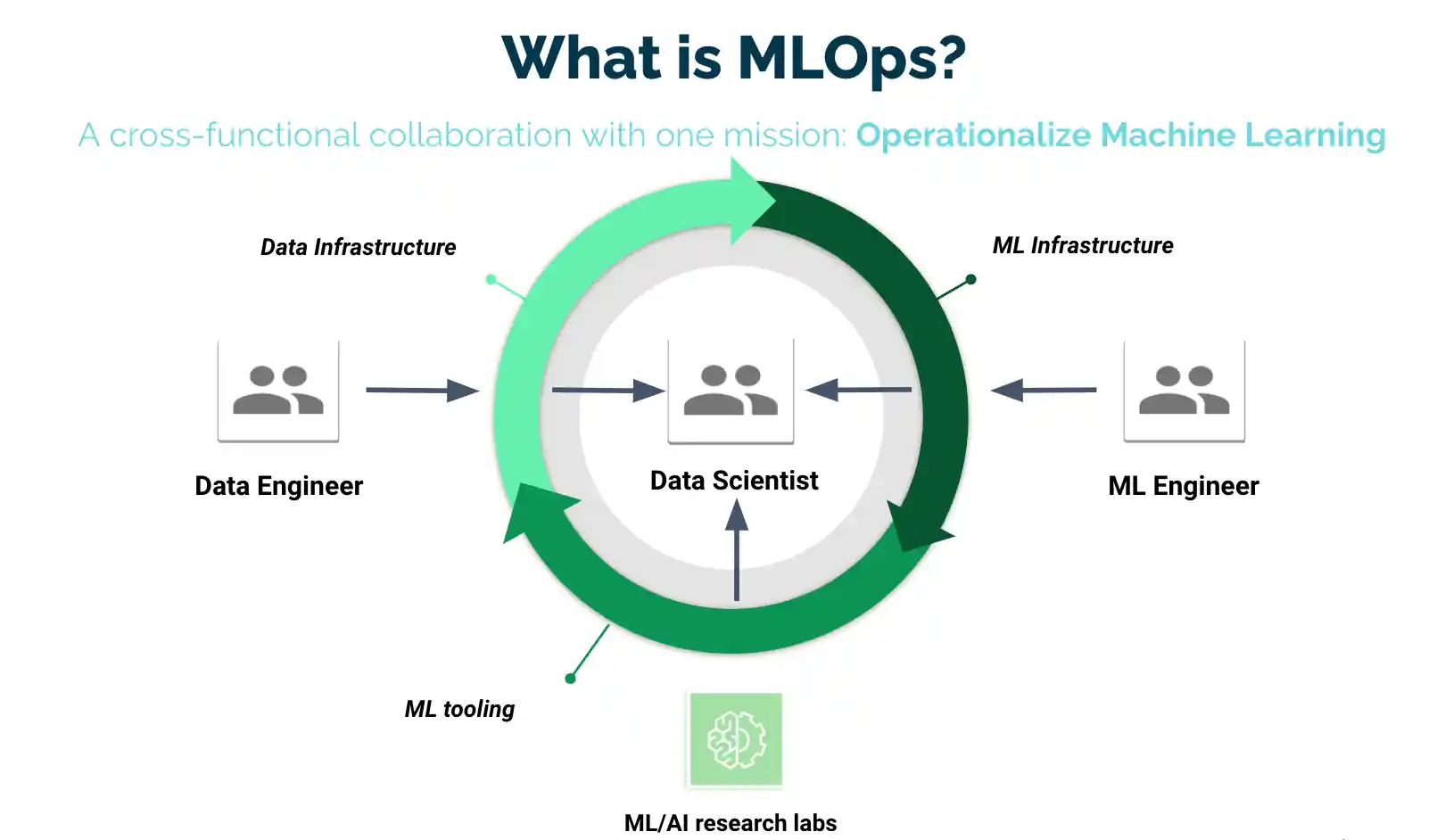
Machine Learning (ML) has emerged as one of the most transformative technologies in the software development industry. What began as a research domain has now become an essential component in building intelligent, adaptive, and data-driven applications. Today, ML enhances productivity, automates repetitive tasks, improves code quality, strengthens security, and enables software systems to learn from user behavior. From AI-powered coding assistants to predictive DevOps operations, ML is reshaping every stage of the Software Development Life Cycle (SDLC). As applications become more complex and data-heavy, integrating machine learning into software engineering has become a strategic advantage rather than a luxury.
One of the most visible impacts of ML in software development is the rise of AI-assisted coding tools. Platforms like GitHub Copilot, ChatGPT, TabNine, and Amazon CodeWhisperer use ML models trained on billions of code samples to generate functions, explain logic, fix bugs, and suggest improvements. These tools act as intelligent pair-programmers, helping developers write cleaner code faster. They reduce syntax errors, automate boilerplate logic, and help developers learn new frameworks or languages instantly. ML-based static analysis tools scan codebases to detect vulnerabilities, code smells, and deprecated logic. These tools speed up development, minimize human errors, and enable teams to focus more on creativity and problem-solving.
Testing is one of the most time-consuming parts of software development, and ML is revolutionizing it. Machine learning models analyze user behavior to generate realistic test cases automatically, improving test coverage. Predictive analytics can identify which parts of the code are most likely to break after changes, helping teams prioritize critical test scenarios. ML-driven automation tools track historical bug patterns to predict future defects and identify modules prone to failure. Intelligent visual testing tools detect UI inconsistencies that traditional test scripts might miss. For mobile apps, ML models simulate real-world interactions across different devices. By reducing manual testing effort and improving accuracy, ML significantly enhances software quality.
DevOps and CI/CD pipelines generate huge amounts of operational data—logs, metrics, alerts, and deployment failures. ML models analyze this data to automate performance tuning, detect anomalies, and predict system failures. In AIOps (Artificial Intelligence for IT Operations), machine learning helps auto-resolve incidents, reduce alert fatigue, and optimize resource usage. ML algorithms can forecast peak traffic times, enabling teams to pre-scale servers proactively. In continuous delivery pipelines, ML identifies unstable builds and flags them before deployment. ML-powered monitoring tools learn normal behavior patterns and alert teams only when unusual anomalies occur. This reduces downtime, improves reliability, and accelerates release cycles.
Modern software products must deliver personalized user experiences to remain competitive. Machine learning enables software systems to adapt to individual user preferences and behavior. Recommendation engines—used in apps like Netflix, YouTube, and Spotify—predict what users want next. E-commerce apps use ML to tailor product suggestions, dynamic pricing, and shopping patterns. ML-driven chatbots and voice assistants enhance customer support. Behavioral analytics help applications adapt their interfaces, content, notifications, and workflows for maximum engagement. Instead of generic design, ML helps create applications that "learn" from users, improving usability and satisfaction over time.
Cybersecurity is another domain where machine learning brings immense value. ML models analyze millions of logs, authentication attempts, transactions, and network patterns to detect suspicious behavior in real time. They can identify anomalies such as unusual login locations, rapid account takeovers, and fraudulent transactions. In software development, ML-powered security testing tools scan codebases for vulnerabilities more accurately than manual reviews. Threat detection systems use ML to block malware, prevent DDoS attacks, and detect compromised APIs. By continuously learning from new threats, ML enhances security beyond rule-based systems, making applications more resilient against modern cyberattacks.
Machine learning can optimize backend and frontend performance by analyzing real-time data. ML algorithms detect inefficient database queries, unnecessary network calls, memory leaks, and slow functions. Predictive caching mechanisms store frequently accessed data before users request it. In microservices architecture, ML helps manage service communication, load balancing, and container orchestration. Intelligent resource allocation minimizes cloud costs while improving performance. On the frontend, ML enhancements such as predictive UI rendering and adaptive loading improve user experience. These optimizations create web and mobile applications that are faster, smoother, and more efficient.
Beyond code, ML supports project management by analyzing timelines, developer productivity, backlog patterns, and team velocity. ML tools predict delivery delays, identify bottlenecks, and optimize sprint planning. Automated documentation generators use NLP to create developer notes and API references. ML-powered requirement analysis tools extract features from documents and convert them into user stories. Intelligent workload distribution assigns tasks based on skills, past performance, and estimated difficulty. These enhancements streamline collaboration, reduce project risks, and increase efficiency across the development lifecycle.
As ML models become more advanced and developer tools more integrated, the future of software development will be deeply intertwined with machine learning. AI will take over more routine tasks such as debugging, testing, documentation, and monitoring. Developers will focus more on problem-solving, creativity, and architectural decision-making. Autonomous coding systems may generate entire modules based on high-level descriptions. Quantum ML, reinforcement learning, and generative AI will create smarter, self-improving applications. The synergy between ML and software development will produce software that can learn, adapt, and evolve—marking a revolutionary shift in how we build digital products.
Machine learning is no longer an optional enhancement—it is becoming a core component of modern software development. From intelligent coding assistants and automated testing to predictive DevOps and personalized user experiences, ML is raising the standards for speed, quality, and innovation. As data grows exponentially and applications become more dynamic, adopting machine learning will be essential for organizations aiming to stay competitive. The developers who embrace ML today will lead the next generation of intelligent, efficient, and future-ready software systems.
One of the most visible impacts of ML in software development is the rise of AI-assisted coding tools. Platforms like GitHub Copilot, ChatGPT, TabNine, and Amazon CodeWhisperer use ML models trained on billions of code samples to generate functions, explain logic, fix bugs, and suggest improvements. These tools act as intelligent pair-programmers, helping developers write cleaner code faster. They reduce syntax errors, automate boilerplate logic, and help developers learn new frameworks or languages instantly. ML-based static analysis tools scan codebases to detect vulnerabilities, code smells, and deprecated logic. These tools speed up development, minimize human errors, and enable teams to focus more on creativity and problem-solving.
Testing is one of the most time-consuming parts of software development, and ML is revolutionizing it. Machine learning models analyze user behavior to generate realistic test cases automatically, improving test coverage. Predictive analytics can identify which parts of the code are most likely to break after changes, helping teams prioritize critical test scenarios. ML-driven automation tools track historical bug patterns to predict future defects and identify modules prone to failure. Intelligent visual testing tools detect UI inconsistencies that traditional test scripts might miss. For mobile apps, ML models simulate real-world interactions across different devices. By reducing manual testing effort and improving accuracy, ML significantly enhances software quality.
DevOps and CI/CD pipelines generate huge amounts of operational data—logs, metrics, alerts, and deployment failures. ML models analyze this data to automate performance tuning, detect anomalies, and predict system failures. In AIOps (Artificial Intelligence for IT Operations), machine learning helps auto-resolve incidents, reduce alert fatigue, and optimize resource usage. ML algorithms can forecast peak traffic times, enabling teams to pre-scale servers proactively. In continuous delivery pipelines, ML identifies unstable builds and flags them before deployment. ML-powered monitoring tools learn normal behavior patterns and alert teams only when unusual anomalies occur. This reduces downtime, improves reliability, and accelerates release cycles.
Modern software products must deliver personalized user experiences to remain competitive. Machine learning enables software systems to adapt to individual user preferences and behavior. Recommendation engines—used in apps like Netflix, YouTube, and Spotify—predict what users want next. E-commerce apps use ML to tailor product suggestions, dynamic pricing, and shopping patterns. ML-driven chatbots and voice assistants enhance customer support. Behavioral analytics help applications adapt their interfaces, content, notifications, and workflows for maximum engagement. Instead of generic design, ML helps create applications that "learn" from users, improving usability and satisfaction over time.
Cybersecurity is another domain where machine learning brings immense value. ML models analyze millions of logs, authentication attempts, transactions, and network patterns to detect suspicious behavior in real time. They can identify anomalies such as unusual login locations, rapid account takeovers, and fraudulent transactions. In software development, ML-powered security testing tools scan codebases for vulnerabilities more accurately than manual reviews. Threat detection systems use ML to block malware, prevent DDoS attacks, and detect compromised APIs. By continuously learning from new threats, ML enhances security beyond rule-based systems, making applications more resilient against modern cyberattacks.
Machine learning can optimize backend and frontend performance by analyzing real-time data. ML algorithms detect inefficient database queries, unnecessary network calls, memory leaks, and slow functions. Predictive caching mechanisms store frequently accessed data before users request it. In microservices architecture, ML helps manage service communication, load balancing, and container orchestration. Intelligent resource allocation minimizes cloud costs while improving performance. On the frontend, ML enhancements such as predictive UI rendering and adaptive loading improve user experience. These optimizations create web and mobile applications that are faster, smoother, and more efficient.
Beyond code, ML supports project management by analyzing timelines, developer productivity, backlog patterns, and team velocity. ML tools predict delivery delays, identify bottlenecks, and optimize sprint planning. Automated documentation generators use NLP to create developer notes and API references. ML-powered requirement analysis tools extract features from documents and convert them into user stories. Intelligent workload distribution assigns tasks based on skills, past performance, and estimated difficulty. These enhancements streamline collaboration, reduce project risks, and increase efficiency across the development lifecycle.
As ML models become more advanced and developer tools more integrated, the future of software development will be deeply intertwined with machine learning. AI will take over more routine tasks such as debugging, testing, documentation, and monitoring. Developers will focus more on problem-solving, creativity, and architectural decision-making. Autonomous coding systems may generate entire modules based on high-level descriptions. Quantum ML, reinforcement learning, and generative AI will create smarter, self-improving applications. The synergy between ML and software development will produce software that can learn, adapt, and evolve—marking a revolutionary shift in how we build digital products.
Machine learning is no longer an optional enhancement—it is becoming a core component of modern software development. From intelligent coding assistants and automated testing to predictive DevOps and personalized user experiences, ML is raising the standards for speed, quality, and innovation. As data grows exponentially and applications become more dynamic, adopting machine learning will be essential for organizations aiming to stay competitive. The developers who embrace ML today will lead the next generation of intelligent, efficient, and future-ready software systems.