
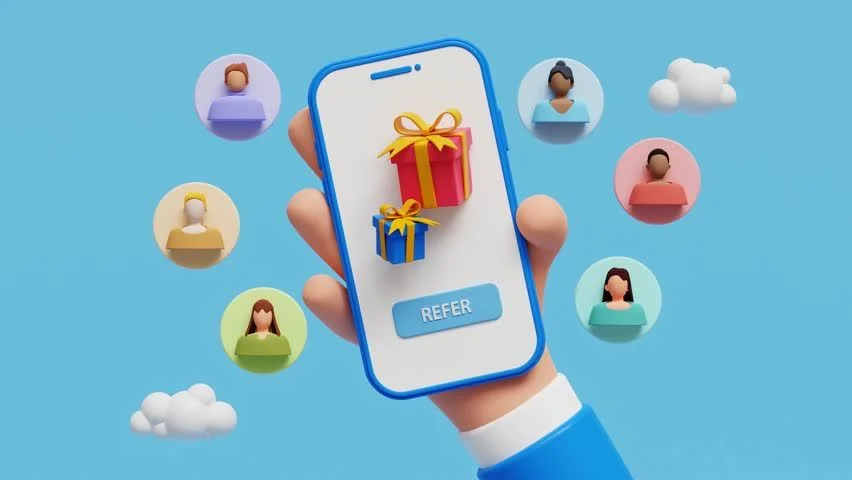
Loyalty and referral marketing programs are strategies that encourage customers to continue buying from a business while inviting friends to join. These programs reward users for their engagement, purchases, and advocacy — turning satisfied customers into brand promoters. They are especially effective in subscription services, e-commerce, travel, and food delivery industries where repeat business drives growth.
Loyalty programs focus on retention by offering value such as points, tier rewards, exclusive access, or cashback benefits. They increase the emotional connection between brand and customer, making users more likely to prefer the product even when alternatives exist. A well-structured loyalty journey boosts long-term sales and builds brand equity.
Referral programs accelerate customer acquisition by leveraging trust among personal networks. When users share product recommendations, it feels more authentic than traditional advertising. Rewards for both the referrer and the new user — like “Give ₹100, Get ₹100” — enhance effectiveness and motivate sharing.
Gamification elements, such as badges, progress bars, level upgrades, and milestone achievements, improve motivation. Psychology-driven techniques like status recognition and surprise rewards increase participation and excitement across the user journey.
Data analytics plays a crucial role in optimizing loyalty and referral systems. By analyzing customer behavior, purchase patterns, and reward redemption rates, brands can refine their offers to improve overall profitability. High-value customers can be identified and nurtured through personalized incentives.
Integration within the product experience ensures seamless participation. Users should be able to join programs effortlessly and monitor their progress in real-time. Social sharing tools must be frictionless to maximize referral impact, especially on mobile devices.
Trust and transparency are essential. Clear rules on reward usage, fair availability, and secure referral tracking build confidence. Poorly structured programs — such as delayed rewards or confusing limitations — can frustrate users and reduce loyalty rather than improving it.
In conclusion, loyalty and referral marketing programs strengthen customer relationships and fuel organic growth. When executed with personalization, seamless UX, and data-backed refinement, these programs become powerful engines for sustainable profitability and long-term brand success.
Loyalty programs focus on retention by offering value such as points, tier rewards, exclusive access, or cashback benefits. They increase the emotional connection between brand and customer, making users more likely to prefer the product even when alternatives exist. A well-structured loyalty journey boosts long-term sales and builds brand equity.
Referral programs accelerate customer acquisition by leveraging trust among personal networks. When users share product recommendations, it feels more authentic than traditional advertising. Rewards for both the referrer and the new user — like “Give ₹100, Get ₹100” — enhance effectiveness and motivate sharing.
Gamification elements, such as badges, progress bars, level upgrades, and milestone achievements, improve motivation. Psychology-driven techniques like status recognition and surprise rewards increase participation and excitement across the user journey.
Data analytics plays a crucial role in optimizing loyalty and referral systems. By analyzing customer behavior, purchase patterns, and reward redemption rates, brands can refine their offers to improve overall profitability. High-value customers can be identified and nurtured through personalized incentives.
Integration within the product experience ensures seamless participation. Users should be able to join programs effortlessly and monitor their progress in real-time. Social sharing tools must be frictionless to maximize referral impact, especially on mobile devices.
Trust and transparency are essential. Clear rules on reward usage, fair availability, and secure referral tracking build confidence. Poorly structured programs — such as delayed rewards or confusing limitations — can frustrate users and reduce loyalty rather than improving it.
In conclusion, loyalty and referral marketing programs strengthen customer relationships and fuel organic growth. When executed with personalization, seamless UX, and data-backed refinement, these programs become powerful engines for sustainable profitability and long-term brand success.