
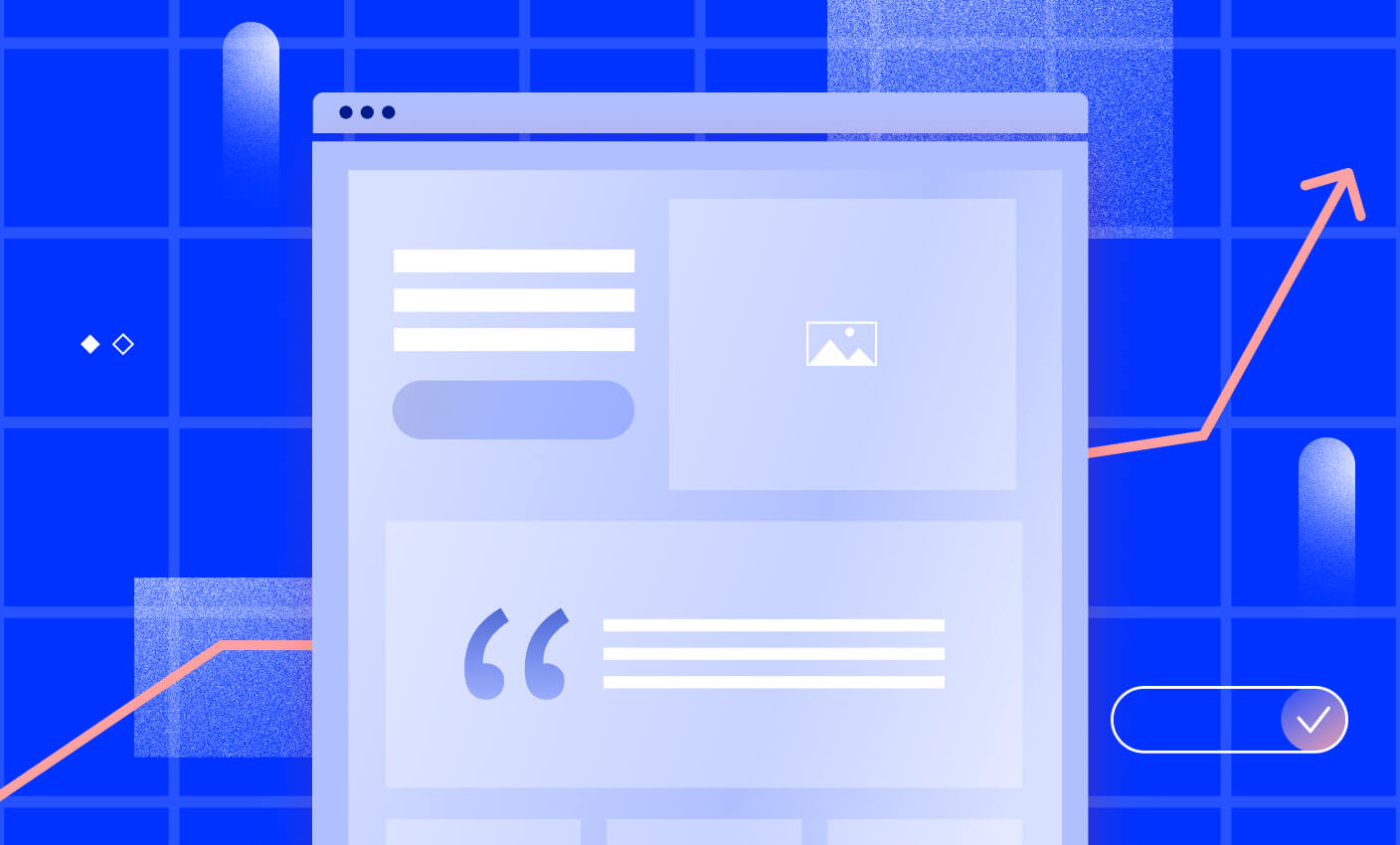
Landing Page Optimization for Conversions focuses on improving a webpage so that visitors take a desired action, such as filling out a form, signing up for a newsletter, or making a purchase. A landing page is often the first interaction users have after clicking an ad or link, so its design, content, and structure play a crucial role in conversion success. A well-optimized landing page increases engagement and reduces bounce rates.
Clear and compelling headlines are one of the most important elements of a high-converting landing page. The headline should immediately communicate the value of the offer and address the visitor’s main problem or need. Supporting subheadlines help provide clarity and encourage users to continue reading. When visitors understand the benefit quickly, they are more likely to stay on the page.
Strong call-to-action (CTA) buttons guide users toward the next step. CTAs should be visible, action-oriented, and placed strategically on the page. Words like “Get Started,” “Download Now,” or “Sign Up Free” create urgency and clarity. Using contrasting colors and simple designs helps CTAs stand out and attract attention.
Content on a landing page should be concise, focused, and value-driven. Unlike regular web pages, landing pages should avoid unnecessary links or distractions. Bullet points, short paragraphs, and visuals help communicate benefits quickly. The goal is to keep the user focused on the conversion action without overwhelming them with too much information.
Trust elements play a vital role in increasing conversions. Testimonials, reviews, case studies, trust badges, and client logos help build credibility and reduce user hesitation. When visitors see proof that others have benefited from the offer, they feel more confident in taking action.
Form optimization is another key factor in landing page performance. Forms should ask for only essential information to reduce friction. Fewer form fields lead to higher completion rates. Clear labels, error messages, and privacy assurances further improve the user experience and build trust.
Mobile optimization is essential, as a large number of users access landing pages through smartphones. A mobile-friendly design ensures fast loading times, readable text, and easy navigation. Pages that are not optimized for mobile often lose potential conversions due to poor user experience.
In conclusion, landing page optimization for conversions combines design, content, usability, and testing to improve results. Regular A/B testing, performance tracking, and user feedback help identify what works best. By continuously refining landing pages, businesses can convert more visitors into leads and customers, maximizing the effectiveness of their digital marketing campaigns.
Clear and compelling headlines are one of the most important elements of a high-converting landing page. The headline should immediately communicate the value of the offer and address the visitor’s main problem or need. Supporting subheadlines help provide clarity and encourage users to continue reading. When visitors understand the benefit quickly, they are more likely to stay on the page.
Strong call-to-action (CTA) buttons guide users toward the next step. CTAs should be visible, action-oriented, and placed strategically on the page. Words like “Get Started,” “Download Now,” or “Sign Up Free” create urgency and clarity. Using contrasting colors and simple designs helps CTAs stand out and attract attention.
Content on a landing page should be concise, focused, and value-driven. Unlike regular web pages, landing pages should avoid unnecessary links or distractions. Bullet points, short paragraphs, and visuals help communicate benefits quickly. The goal is to keep the user focused on the conversion action without overwhelming them with too much information.
Trust elements play a vital role in increasing conversions. Testimonials, reviews, case studies, trust badges, and client logos help build credibility and reduce user hesitation. When visitors see proof that others have benefited from the offer, they feel more confident in taking action.
Form optimization is another key factor in landing page performance. Forms should ask for only essential information to reduce friction. Fewer form fields lead to higher completion rates. Clear labels, error messages, and privacy assurances further improve the user experience and build trust.
Mobile optimization is essential, as a large number of users access landing pages through smartphones. A mobile-friendly design ensures fast loading times, readable text, and easy navigation. Pages that are not optimized for mobile often lose potential conversions due to poor user experience.
In conclusion, landing page optimization for conversions combines design, content, usability, and testing to improve results. Regular A/B testing, performance tracking, and user feedback help identify what works best. By continuously refining landing pages, businesses can convert more visitors into leads and customers, maximizing the effectiveness of their digital marketing campaigns.