
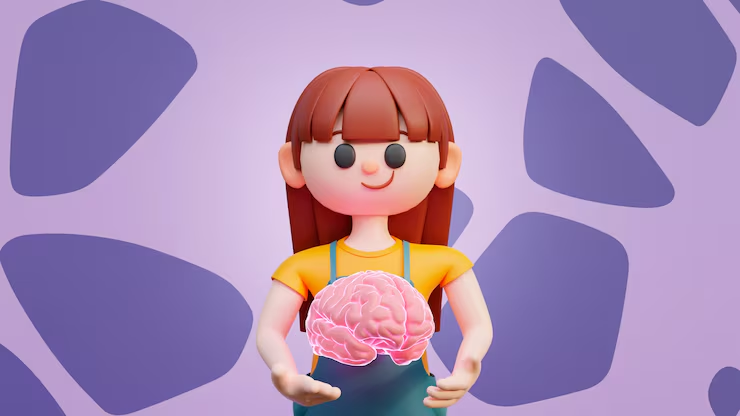
Humane design for mental health focuses on creating digital experiences that support emotional well-being, reduce stress, and avoid harmful psychological triggers. Traditional design often prioritizes engagement and profits, sometimes resulting in addictive, distracting, or overwhelming applications. Humane UX shifts the goal from maximizing screen time to improving users’ mental health, balance, and sense of control.
One key principle is reducing cognitive overload. Simple layouts, clear navigation, and minimal notifications help users make decisions calmly without pressure. Applications designed with healthy pacing reduce anxiety and improve clarity in how people interact with technology, especially during stressful tasks such as healthcare, finance, or crisis communication apps.
Humane design avoids dark patterns — UI tricks that manipulate users into actions they didn’t intend, like forced subscriptions or hiding cancellation options. Instead, it promotes transparency, consent, and autonomy. When people feel respected and in control, trust increases, and emotional well-being is protected.
Digital well-being features are becoming essential. Time-tracking dashboards, break reminders, and gentle nudges encourage users to disconnect or rest. Social apps may highlight meaningful connections rather than metrics like likes or follower counts. Prioritizing quality experiences reduces unhealthy validation-seeking behavior and comparison stress.
Accessibility also plays a major role. Interfaces must support individuals with mental illnesses, neurodivergence, and trauma sensitivities. Calming color schemes, readable typography, adaptable interaction methods, and emotional-support prompts help apps become inclusive and uplifting. Crisis-friendly UX ensures users can reach help quickly during distress.
Humane design is especially important in apps targeting vulnerable users — such as therapy platforms, meditation tools, or online learning environments. These systems must ensure privacy, safe communication spaces, and empathetic tone in microcopy. Users should never feel judged, tracked excessively, or forced into engagement loops.
Emotion analytics and AI personalization should be used responsibly. While advanced insights can help tailor supportive experiences, they must not be exploited to push addictive content. Ethical guidelines ensure that user data — especially mental and behavioral information — is protected and never monetized in harmful ways.
Organizations adopting humane UX must rethink success metrics. Instead of measuring clicks or retention, they evaluate outcomes like user satisfaction, stress reduction, long-term loyalty, and positive emotional impact. This creates healthier business strategies aligned with sustainable well-being.
In conclusion, humane design for mental health represents a necessary evolution in digital product design. By prioritizing empathy, clarity, accessibility, and emotional safety, UX design can become a force for good — helping users live healthier, more balanced digital lives. As mental health awareness grows globally, humane design will define the future of responsible technology.
One key principle is reducing cognitive overload. Simple layouts, clear navigation, and minimal notifications help users make decisions calmly without pressure. Applications designed with healthy pacing reduce anxiety and improve clarity in how people interact with technology, especially during stressful tasks such as healthcare, finance, or crisis communication apps.
Humane design avoids dark patterns — UI tricks that manipulate users into actions they didn’t intend, like forced subscriptions or hiding cancellation options. Instead, it promotes transparency, consent, and autonomy. When people feel respected and in control, trust increases, and emotional well-being is protected.
Digital well-being features are becoming essential. Time-tracking dashboards, break reminders, and gentle nudges encourage users to disconnect or rest. Social apps may highlight meaningful connections rather than metrics like likes or follower counts. Prioritizing quality experiences reduces unhealthy validation-seeking behavior and comparison stress.
Accessibility also plays a major role. Interfaces must support individuals with mental illnesses, neurodivergence, and trauma sensitivities. Calming color schemes, readable typography, adaptable interaction methods, and emotional-support prompts help apps become inclusive and uplifting. Crisis-friendly UX ensures users can reach help quickly during distress.
Humane design is especially important in apps targeting vulnerable users — such as therapy platforms, meditation tools, or online learning environments. These systems must ensure privacy, safe communication spaces, and empathetic tone in microcopy. Users should never feel judged, tracked excessively, or forced into engagement loops.
Emotion analytics and AI personalization should be used responsibly. While advanced insights can help tailor supportive experiences, they must not be exploited to push addictive content. Ethical guidelines ensure that user data — especially mental and behavioral information — is protected and never monetized in harmful ways.
Organizations adopting humane UX must rethink success metrics. Instead of measuring clicks or retention, they evaluate outcomes like user satisfaction, stress reduction, long-term loyalty, and positive emotional impact. This creates healthier business strategies aligned with sustainable well-being.
In conclusion, humane design for mental health represents a necessary evolution in digital product design. By prioritizing empathy, clarity, accessibility, and emotional safety, UX design can become a force for good — helping users live healthier, more balanced digital lives. As mental health awareness grows globally, humane design will define the future of responsible technology.