
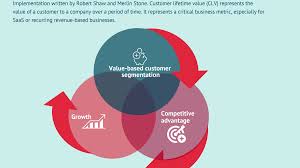
Customer Lifetime Value (CLV) optimization focuses on increasing the total revenue a business earns from a customer throughout their relationship with the brand. Instead of prioritizing one-time sales, CLV-driven strategies aim to improve retention, repeat purchases, and long-term engagement — which are significantly more profitable than constant new customer acquisition.
CLV helps marketing teams identify the most valuable customer segments. By analyzing purchase frequency, order value, churn rate, and loyalty patterns, businesses can determine where to invest more marketing resources. High-CLV customers often deserve VIP programs, exclusive offers, and proactive support that deepen loyalty.
Personalization is central to CLV growth. Tailored recommendations, dynamic pricing, and custom engagement messages ensure each customer receives relevant experiences aligned with their needs. When users feel understood and appreciated, satisfaction and lifetime spending naturally increase.
Customer support plays a vital role. Fast issue resolution, proactive communication, and omnichannel service remove friction from the user journey. Brands that reduce frustration create happier customers who stay longer and refer others. Positive support experiences increase CLV instantly.
Lifecycle marketing automation ensures communication at the right time — onboarding tips for new users, milestone celebration emails, reactivation campaigns for inactive customers, and renewal nudges for subscription clients. Each stage enhances involvement and lengthens the relationship.
A great post-purchase experience is a profit driver. Order tracking clarity, easy returns, helpful product tutorials, and loyalty rewards turn buyers into long-term advocates. When customers love the entire experience — not just the product — retention becomes the default behavior.
Predictive analytics enables revenue forecasting and risk prevention. Algorithms can identify customers likely to churn so brands can intervene early through targeted offers or engagement strategies. Data-driven decision-making ensures future revenue is protected and increased.
In conclusion, CLV optimization isn’t about selling more aggressively — it’s about delivering long-lasting value that keeps customers returning. Businesses that focus on relationship-building outperform those that chase quick sales, creating sustainable growth and strong customer loyalty.
CLV helps marketing teams identify the most valuable customer segments. By analyzing purchase frequency, order value, churn rate, and loyalty patterns, businesses can determine where to invest more marketing resources. High-CLV customers often deserve VIP programs, exclusive offers, and proactive support that deepen loyalty.
Personalization is central to CLV growth. Tailored recommendations, dynamic pricing, and custom engagement messages ensure each customer receives relevant experiences aligned with their needs. When users feel understood and appreciated, satisfaction and lifetime spending naturally increase.
Customer support plays a vital role. Fast issue resolution, proactive communication, and omnichannel service remove friction from the user journey. Brands that reduce frustration create happier customers who stay longer and refer others. Positive support experiences increase CLV instantly.
Lifecycle marketing automation ensures communication at the right time — onboarding tips for new users, milestone celebration emails, reactivation campaigns for inactive customers, and renewal nudges for subscription clients. Each stage enhances involvement and lengthens the relationship.
A great post-purchase experience is a profit driver. Order tracking clarity, easy returns, helpful product tutorials, and loyalty rewards turn buyers into long-term advocates. When customers love the entire experience — not just the product — retention becomes the default behavior.
Predictive analytics enables revenue forecasting and risk prevention. Algorithms can identify customers likely to churn so brands can intervene early through targeted offers or engagement strategies. Data-driven decision-making ensures future revenue is protected and increased.
In conclusion, CLV optimization isn’t about selling more aggressively — it’s about delivering long-lasting value that keeps customers returning. Businesses that focus on relationship-building outperform those that chase quick sales, creating sustainable growth and strong customer loyalty.