
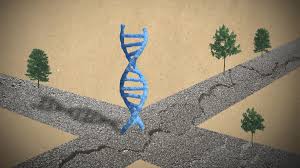
CRISPR (Clustered Regularly Interspaced Short Palindromic Repeats) is a revolutionary genetic editing technology that allows scientists to precisely modify DNA in living organisms. Inspired by a natural defense mechanism in bacteria, CRISPR helps cut specific DNA sequences using the Cas9 enzyme, enabling removal, replacement, or correction of genes responsible for diseases. This technology has transformed biotechnology, medicine, and agriculture in just a few years.
One of the most impactful CRISPR breakthroughs is its potential to treat genetic disorders. Diseases like sickle cell anemia, muscular dystrophy, and cystic fibrosis are caused by specific DNA mutations. With CRISPR, scientists can directly correct the faulty gene at its source. Recent clinical trials have shown promising results, demonstrating that previously incurable conditions may soon become treatable.
CRISPR is also advancing cancer treatment. Researchers are developing immune cell therapies where a patient’s own T-cells are edited to aggressively target and destroy cancer cells. This personalized approach has led to improved cancer-fighting outcomes, especially in leukemia and lymphoma patients who do not respond to traditional therapies.
Beyond medical applications, CRISPR plays a major role in solving global food challenges. Scientists have created crops that are more resistant to diseases, pests, and climate change. Gene-edited plants can grow with less water, offer higher nutrition, and reduce reliance on harmful pesticides. This supports sustainable agriculture and helps address world hunger.
A growing breakthrough includes CRISPR-based diagnostics. Tools like SHERLOCK and DETECTR can rapidly identify viral infections such as COVID-19 by detecting tiny amounts of genetic material. These tests are fast, accurate, and inexpensive, making advanced healthcare accessible in low-resource regions.
However, CRISPR also raises ethical questions. Editing human embryos could eliminate hereditary diseases but may also lead to controversial concepts like "designer babies," where physical traits are intentionally modified. International guidelines continue to evolve to ensure responsible use of this powerful technology.
CRISPR’s accuracy continues to improve with newer innovations like CRISPR-Cas12, Cas13, and base editing, which modify genetic letters without cutting DNA. These advancements reduce risks such as unintended mutations and open more precise treatment possibilities. Gene editing is becoming safer for wide-scale adoption in clinical environments.
Environmental biotechnology is another emerging area. CRISPR is being used to help restore endangered species, eliminate disease-carrying mosquitoes, and clean up pollution through engineered microorganisms. These innovations could greatly benefit global ecosystems when applied carefully and sustainably.
In summary, CRISPR genetic editing breakthroughs mark a new era in science. With the ability to cure diseases, produce resilient crops, protect wildlife, and improve global health, CRISPR stands among the most important technological advancements ever made. Ongoing research and ethical oversight will shape how society harnesses this technology for the future of humanity.
One of the most impactful CRISPR breakthroughs is its potential to treat genetic disorders. Diseases like sickle cell anemia, muscular dystrophy, and cystic fibrosis are caused by specific DNA mutations. With CRISPR, scientists can directly correct the faulty gene at its source. Recent clinical trials have shown promising results, demonstrating that previously incurable conditions may soon become treatable.
CRISPR is also advancing cancer treatment. Researchers are developing immune cell therapies where a patient’s own T-cells are edited to aggressively target and destroy cancer cells. This personalized approach has led to improved cancer-fighting outcomes, especially in leukemia and lymphoma patients who do not respond to traditional therapies.
Beyond medical applications, CRISPR plays a major role in solving global food challenges. Scientists have created crops that are more resistant to diseases, pests, and climate change. Gene-edited plants can grow with less water, offer higher nutrition, and reduce reliance on harmful pesticides. This supports sustainable agriculture and helps address world hunger.
A growing breakthrough includes CRISPR-based diagnostics. Tools like SHERLOCK and DETECTR can rapidly identify viral infections such as COVID-19 by detecting tiny amounts of genetic material. These tests are fast, accurate, and inexpensive, making advanced healthcare accessible in low-resource regions.
However, CRISPR also raises ethical questions. Editing human embryos could eliminate hereditary diseases but may also lead to controversial concepts like "designer babies," where physical traits are intentionally modified. International guidelines continue to evolve to ensure responsible use of this powerful technology.
CRISPR’s accuracy continues to improve with newer innovations like CRISPR-Cas12, Cas13, and base editing, which modify genetic letters without cutting DNA. These advancements reduce risks such as unintended mutations and open more precise treatment possibilities. Gene editing is becoming safer for wide-scale adoption in clinical environments.
Environmental biotechnology is another emerging area. CRISPR is being used to help restore endangered species, eliminate disease-carrying mosquitoes, and clean up pollution through engineered microorganisms. These innovations could greatly benefit global ecosystems when applied carefully and sustainably.
In summary, CRISPR genetic editing breakthroughs mark a new era in science. With the ability to cure diseases, produce resilient crops, protect wildlife, and improve global health, CRISPR stands among the most important technological advancements ever made. Ongoing research and ethical oversight will shape how society harnesses this technology for the future of humanity.