
In modern frontend development, testing has become a crucial part of building reliable, predictable, and user-friendly applications. As React applications grow in size and complexity, developers must ensure that every UI component behaves as expected. This is where Jest and React Testing Library (RTL) come together as the most powerful and widely used testing combination in the JavaScript ecosystem. Jest handles test execution, mocks, and assertions, while RTL focuses on testing the application the way users interact with it. Together, they shift the mindset from testing implementation details to testing real behavior. This article explores how component testing works with Jest and RTL, why this combination is ideal for React projects, and best practices for writing scalable and maintainable tests.
Jest is a JavaScript testing framework developed by Meta (Facebook), designed to work seamlessly with React. It provides test runners, assertions, mocking, snapshot testing, timers, and coverage reports. Jest’s zero-configuration setup allows developers to run tests without a long configuration process. Its built-in mocking capabilities help isolate components and simulate APIs, events, and asynchronous operations. Jest also runs tests in parallel, improving performance for large applications. One of its distinguishing features is snapshot testing, which allows developers to capture the structure of a component and detect unexpected UI changes. Jest also integrates well with Babel, TypeScript, and frameworks like Next.js, making it a versatile tool in any React-based project.
React Testing Library is a lightweight yet powerful testing utility built on top of DOM Testing Library. It is designed around the philosophy: test components the way users use them. Instead of testing internal methods, instance properties, or structure, RTL encourages developers to interact with components through elements visible to the user—text, placeholders, roles, and labels. This approach eliminates brittle tests that fail when internal implementation changes. RTL offers a clean API for rendering components, querying DOM elements, firing events (like clicks, input changes), and waiting for asynchronous state updates. With built-in accessibility-focused queries such as getByRole, RTL naturally pushes developers toward building accessible UI components, improving overall app quality.
When Jest and RTL are combined, developers get a powerful ecosystem for writing behavior-focused tests. A typical test involves rendering a React component using RTL’s render() function, performing actions using fireEvent or userEvent, and then checking output using Jest’s assertion methods like expect(). For example, when testing a button component, instead of checking internal state or class names, RTL tests whether the button appears in the document, whether clicking it triggers expected text or output, and whether the button handles user interactions. Jest works behind the scenes handling the test runner, assertions, mocks, timers, and asynchronous operations. The result is a clean, predictable testing environment that ensures components behave correctly in real usage scenarios.
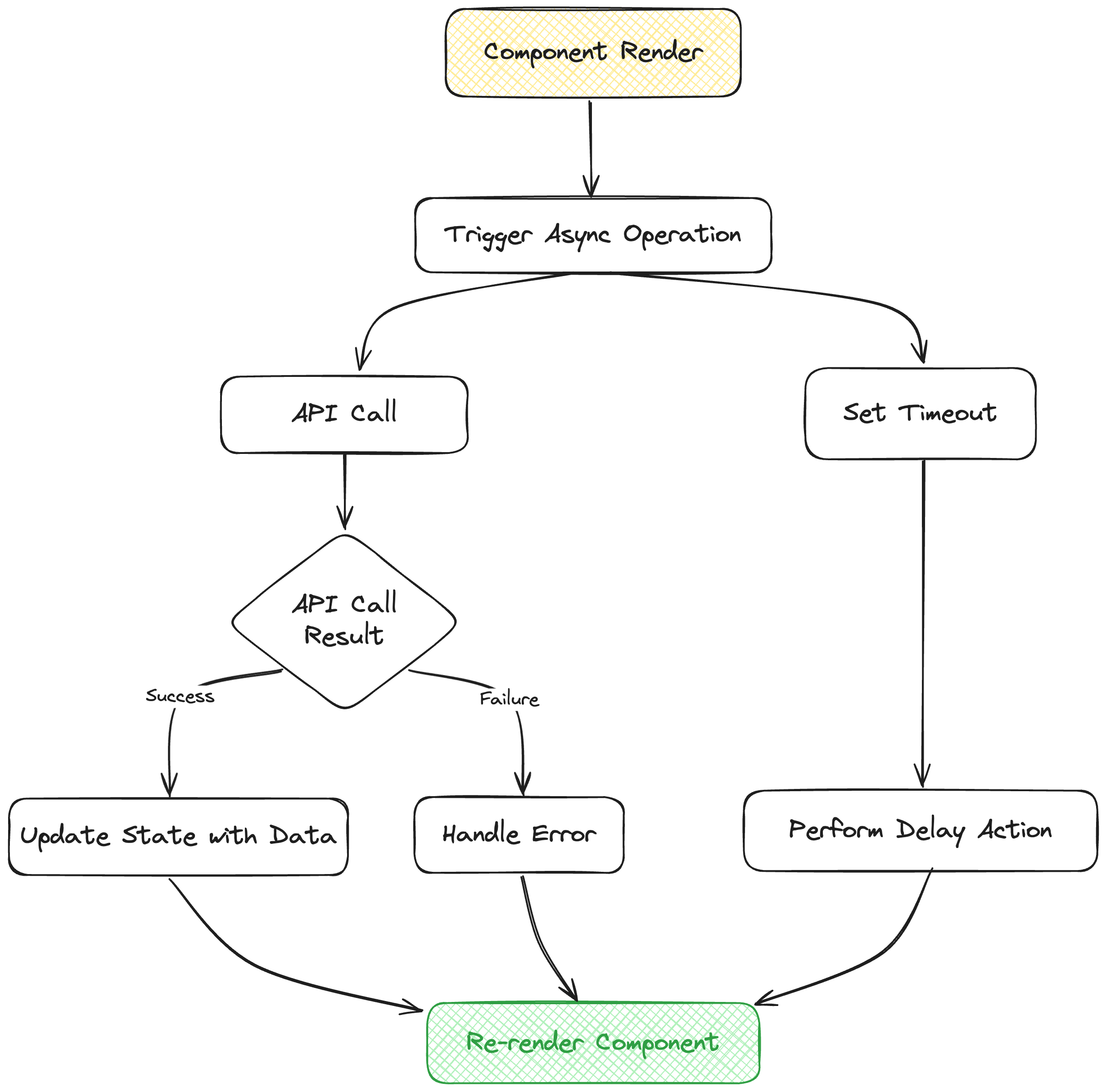
Modern React applications frequently rely on asynchronous data fetching—using fetch, Axios, or external APIs. Jest and RTL simplify these test scenarios by allowing developers to mock API requests, observe loading states, and verify UI updates after data is retrieved. Jest’s mocking utilities such as jest.fn() or jest.mock() can intercept network calls, returning custom responses. RTL’s asynchronous queries like findByText and utilities like waitFor help test components that update after asynchronous operations. For example, when testing a list component that fetches items from an API, the test checks initial loading indicators, mocks API responses, waits for the UI to update, and finally asserts the rendered results. This ensures every state—loading, success, error—is properly tested.
Snapshot testing is one of Jest’s most popular features. It allows developers to take a "snapshot" of the rendered component and compare it automatically in future test runs. If the UI structure changes accidentally due to code modifications, Jest alerts the developer. This is particularly useful for static components like banners, cards, and layout containers. However, snapshot testing must be used carefully; overuse can lead to large, unreadable snapshots that don’t provide meaningful feedback. Useful snapshots focus on stable UI components rather than dynamic ones. When combined with RTL, snapshot tests become even more powerful because RTL renders clean, realistic DOM structures instead of implementation-heavy trees.
Effective component testing means writing tests that are stable, meaningful, and easy to understand. Some best practices include:
1)Test behavior, not implementation: Avoid querying by class names or IDs; use text, roles, and labels.
2)Use screen instead of destructured queries: It improves readability.
3)Prefer userEvent over fireEvent: It simulates real user interactions (typing speed, tabbing, pasting).
4)Avoid snapshot overuse: Use them only for predictable UI components.
5)Mock external services cleanly: Keep mocks in separate files for reusability.
6)Test accessibility: Queries like getByRole ensure components are accessible.
Following these guidelines ensures that your test suite remains stable even as the underlying implementation evolves.
Large production-level React applications require a test setup that scales in terms of performance, reliability, and maintainability. Jest is built for scale with parallel test execution, caching, and efficient mocking. RTL ensures that tests remain stable and aligned with real user interactions, reducing false positives and test brittleness. When combined with TypeScript, these tools provide excellent autocompletion, error detection, and confidence during development. Teams benefit from faster development cycles, predictable releases, and fewer UI regressions. This testing ecosystem has been adopted across major React-based platforms such as Meta, Airbnb, Netflix, Shopify, and many SaaS startups due to its scalability and reliability.
Component testing using Jest and React Testing Library is the modern standard for building robust, predictable, and user-centered React applications. By focusing on real user interactions rather than implementation details, RTL ensures that tests are meaningful and aligned with actual usage scenarios. Jest adds powerful tools for assertions, mocking, snapshots, and performance optimization. Together, they create a complete ecosystem that helps developers build large-scale applications with confidence. Whether you are building small UI components or complex dashboards, mastering Jest and RTL is essential for writing high-quality, maintainable, and scalable frontend code.
Jest is a JavaScript testing framework developed by Meta (Facebook), designed to work seamlessly with React. It provides test runners, assertions, mocking, snapshot testing, timers, and coverage reports. Jest’s zero-configuration setup allows developers to run tests without a long configuration process. Its built-in mocking capabilities help isolate components and simulate APIs, events, and asynchronous operations. Jest also runs tests in parallel, improving performance for large applications. One of its distinguishing features is snapshot testing, which allows developers to capture the structure of a component and detect unexpected UI changes. Jest also integrates well with Babel, TypeScript, and frameworks like Next.js, making it a versatile tool in any React-based project.
React Testing Library is a lightweight yet powerful testing utility built on top of DOM Testing Library. It is designed around the philosophy: test components the way users use them. Instead of testing internal methods, instance properties, or structure, RTL encourages developers to interact with components through elements visible to the user—text, placeholders, roles, and labels. This approach eliminates brittle tests that fail when internal implementation changes. RTL offers a clean API for rendering components, querying DOM elements, firing events (like clicks, input changes), and waiting for asynchronous state updates. With built-in accessibility-focused queries such as getByRole, RTL naturally pushes developers toward building accessible UI components, improving overall app quality.
When Jest and RTL are combined, developers get a powerful ecosystem for writing behavior-focused tests. A typical test involves rendering a React component using RTL’s render() function, performing actions using fireEvent or userEvent, and then checking output using Jest’s assertion methods like expect(). For example, when testing a button component, instead of checking internal state or class names, RTL tests whether the button appears in the document, whether clicking it triggers expected text or output, and whether the button handles user interactions. Jest works behind the scenes handling the test runner, assertions, mocks, timers, and asynchronous operations. The result is a clean, predictable testing environment that ensures components behave correctly in real usage scenarios.
Modern React applications frequently rely on asynchronous data fetching—using fetch, Axios, or external APIs. Jest and RTL simplify these test scenarios by allowing developers to mock API requests, observe loading states, and verify UI updates after data is retrieved. Jest’s mocking utilities such as jest.fn() or jest.mock() can intercept network calls, returning custom responses. RTL’s asynchronous queries like findByText and utilities like waitFor help test components that update after asynchronous operations. For example, when testing a list component that fetches items from an API, the test checks initial loading indicators, mocks API responses, waits for the UI to update, and finally asserts the rendered results. This ensures every state—loading, success, error—is properly tested.
Snapshot testing is one of Jest’s most popular features. It allows developers to take a "snapshot" of the rendered component and compare it automatically in future test runs. If the UI structure changes accidentally due to code modifications, Jest alerts the developer. This is particularly useful for static components like banners, cards, and layout containers. However, snapshot testing must be used carefully; overuse can lead to large, unreadable snapshots that don’t provide meaningful feedback. Useful snapshots focus on stable UI components rather than dynamic ones. When combined with RTL, snapshot tests become even more powerful because RTL renders clean, realistic DOM structures instead of implementation-heavy trees.
Effective component testing means writing tests that are stable, meaningful, and easy to understand. Some best practices include:
1)Test behavior, not implementation: Avoid querying by class names or IDs; use text, roles, and labels.
2)Use screen instead of destructured queries: It improves readability.
3)Prefer userEvent over fireEvent: It simulates real user interactions (typing speed, tabbing, pasting).
4)Avoid snapshot overuse: Use them only for predictable UI components.
5)Mock external services cleanly: Keep mocks in separate files for reusability.
6)Test accessibility: Queries like getByRole ensure components are accessible.
Following these guidelines ensures that your test suite remains stable even as the underlying implementation evolves.
Large production-level React applications require a test setup that scales in terms of performance, reliability, and maintainability. Jest is built for scale with parallel test execution, caching, and efficient mocking. RTL ensures that tests remain stable and aligned with real user interactions, reducing false positives and test brittleness. When combined with TypeScript, these tools provide excellent autocompletion, error detection, and confidence during development. Teams benefit from faster development cycles, predictable releases, and fewer UI regressions. This testing ecosystem has been adopted across major React-based platforms such as Meta, Airbnb, Netflix, Shopify, and many SaaS startups due to its scalability and reliability.
Component testing using Jest and React Testing Library is the modern standard for building robust, predictable, and user-centered React applications. By focusing on real user interactions rather than implementation details, RTL ensures that tests are meaningful and aligned with actual usage scenarios. Jest adds powerful tools for assertions, mocking, snapshots, and performance optimization. Together, they create a complete ecosystem that helps developers build large-scale applications with confidence. Whether you are building small UI components or complex dashboards, mastering Jest and RTL is essential for writing high-quality, maintainable, and scalable frontend code.