
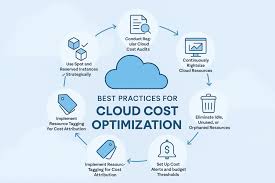
Cloud cost optimization trends focus on managing, controlling, and reducing unnecessary cloud expenses while ensuring that application performance, reliability, and scalability are not compromised. As organizations increasingly migrate workloads to the cloud, effective cost management has become a critical business priority.
One of the main challenges in cloud environments is resource over-provisioning. Many organizations allocate more compute, storage, or networking resources than necessary due to limited visibility, unpredictable demand, or lack of proper planning. Cost optimization efforts aim to identify and eliminate underutilized or idle resources.
Modern cloud cost management tools provide real-time visibility into spending patterns. Features such as cost dashboards, alerts, budgets, and forecasting enable teams to track expenses, detect anomalies, and make informed decisions about cloud usage and investments.
Auto-scaling and serverless architectures play a major role in reducing cloud costs. These approaches dynamically allocate resources based on demand, ensuring that organizations pay only for what they actually use. This eliminates the cost of idle infrastructure during low-traffic periods.
Cloud providers offer various pricing models to support long-term cost optimization. Reserved instances, savings plans, and spot instances allow organizations to significantly reduce costs by committing to predictable usage or leveraging unused cloud capacity.
Cost optimization is no longer solely a responsibility of finance teams. It requires collaboration between engineering, operations, and business stakeholders. This collaborative approach, known as FinOps, aligns financial accountability with technical decision-making.
Organizations are increasingly adopting cost-aware application design practices. Efficient architectures, optimized data storage, and resource-efficient code reduce both infrastructure costs and operational overhead, improving overall cost efficiency.
Another emerging trend is the use of automation for cost optimization. Automated policies can shut down unused resources, right-size instances, and recommend cost-saving actions without manual intervention, improving efficiency and consistency.
In conclusion, cloud cost optimization trends help organizations maximize the value of cloud investments while maintaining financial discipline. By combining technology, process, and collaboration, businesses can achieve sustainable cloud growth with strong cost control and operational efficiency.
One of the main challenges in cloud environments is resource over-provisioning. Many organizations allocate more compute, storage, or networking resources than necessary due to limited visibility, unpredictable demand, or lack of proper planning. Cost optimization efforts aim to identify and eliminate underutilized or idle resources.
Modern cloud cost management tools provide real-time visibility into spending patterns. Features such as cost dashboards, alerts, budgets, and forecasting enable teams to track expenses, detect anomalies, and make informed decisions about cloud usage and investments.
Auto-scaling and serverless architectures play a major role in reducing cloud costs. These approaches dynamically allocate resources based on demand, ensuring that organizations pay only for what they actually use. This eliminates the cost of idle infrastructure during low-traffic periods.
Cloud providers offer various pricing models to support long-term cost optimization. Reserved instances, savings plans, and spot instances allow organizations to significantly reduce costs by committing to predictable usage or leveraging unused cloud capacity.
Cost optimization is no longer solely a responsibility of finance teams. It requires collaboration between engineering, operations, and business stakeholders. This collaborative approach, known as FinOps, aligns financial accountability with technical decision-making.
Organizations are increasingly adopting cost-aware application design practices. Efficient architectures, optimized data storage, and resource-efficient code reduce both infrastructure costs and operational overhead, improving overall cost efficiency.
Another emerging trend is the use of automation for cost optimization. Automated policies can shut down unused resources, right-size instances, and recommend cost-saving actions without manual intervention, improving efficiency and consistency.
In conclusion, cloud cost optimization trends help organizations maximize the value of cloud investments while maintaining financial discipline. By combining technology, process, and collaboration, businesses can achieve sustainable cloud growth with strong cost control and operational efficiency.