
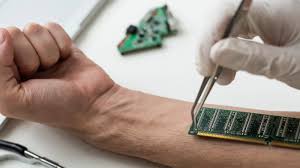
Biohacking refers to the use of technology, biology, and science to modify or enhance the human body. This includes everything from wearable health devices to implantable chips and genetic editing tools. While biohacking can improve human capabilities and health, it also introduces significant cybersecurity risks because the human body becomes part of the digital system. Securing sensitive body data and protecting biological enhancements are now key priorities.
Modern wearables such as smartwatches, fitness bands, and health trackers collect massive amounts of biometric data — heart rate, sleep cycles, blood oxygen levels, location, and more. If hacked, this information can reveal personal habits, health conditions, and private lifestyle patterns. Criminals could misuse this data for identity theft, blackmail, insurance fraud, or targeted harassment.
Advanced biohacking includes implantable devices such as RFID/NFC chips, pacemakers, brain stimulation implants, and prosthetics. These devices connect wirelessly for updates and monitoring, making them vulnerable to unauthorized access. A cyberattack on such implants could compromise a person’s physical safety — from disabling medical functions to manipulating body movement.
Body data security challenges become even more severe when linked with AI-based health monitoring systems and hospital networks. Healthcare breaches already expose sensitive patient data. With implanted and wearable bio-devices, the risk extends into real-time bodily functions. Attackers could potentially alter medical readings or block emergency alerts, delaying life-saving interventions.
Genetic biohacking, including CRISPR DIY experiments, poses separate risks. Amateur gene editing could lead to biological hazards or genetic privacy violations. DNA data stored in cloud platforms is uniquely sensitive — once leaked, it cannot be changed like a password. This raises ethical concerns about surveillance, discrimination, and ownership of personal biology.
Biohacking also introduces social threats. Companies may exploit body data for targeted marketing or workplace monitoring. Insurance providers might deny coverage based on biological risk patterns. Laws and regulations are still developing, and many regions lack policies that protect individuals from cyber-biological exploitation.
To address these risks, cybersecurity must focus on encryption of bio-device communication, authentication controls, regular firmware updates, and secure cloud storage. Governments and medical organizations are working on new security standards for connected health devices that safeguard both data integrity and physical safety.
Education and transparency are crucial. Users should understand how their body data is collected, stored, and shared. Developers and manufacturers must design technologies with security and privacy built-in, minimizing attack surfaces and eliminating default vulnerabilities.
In conclusion, biohacking brings exciting opportunities for improving health, accessibility, and human potential — but also opens a new frontier of cybersecurity challenges. Protecting body data and implanted technologies is essential to ensure that advancements in biotech empower humans rather than exposing them to digital threats. Strong ethical governance and secure engineering practices will define the safe future of human enhancement.
Modern wearables such as smartwatches, fitness bands, and health trackers collect massive amounts of biometric data — heart rate, sleep cycles, blood oxygen levels, location, and more. If hacked, this information can reveal personal habits, health conditions, and private lifestyle patterns. Criminals could misuse this data for identity theft, blackmail, insurance fraud, or targeted harassment.
Advanced biohacking includes implantable devices such as RFID/NFC chips, pacemakers, brain stimulation implants, and prosthetics. These devices connect wirelessly for updates and monitoring, making them vulnerable to unauthorized access. A cyberattack on such implants could compromise a person’s physical safety — from disabling medical functions to manipulating body movement.
Body data security challenges become even more severe when linked with AI-based health monitoring systems and hospital networks. Healthcare breaches already expose sensitive patient data. With implanted and wearable bio-devices, the risk extends into real-time bodily functions. Attackers could potentially alter medical readings or block emergency alerts, delaying life-saving interventions.
Genetic biohacking, including CRISPR DIY experiments, poses separate risks. Amateur gene editing could lead to biological hazards or genetic privacy violations. DNA data stored in cloud platforms is uniquely sensitive — once leaked, it cannot be changed like a password. This raises ethical concerns about surveillance, discrimination, and ownership of personal biology.
Biohacking also introduces social threats. Companies may exploit body data for targeted marketing or workplace monitoring. Insurance providers might deny coverage based on biological risk patterns. Laws and regulations are still developing, and many regions lack policies that protect individuals from cyber-biological exploitation.
To address these risks, cybersecurity must focus on encryption of bio-device communication, authentication controls, regular firmware updates, and secure cloud storage. Governments and medical organizations are working on new security standards for connected health devices that safeguard both data integrity and physical safety.
Education and transparency are crucial. Users should understand how their body data is collected, stored, and shared. Developers and manufacturers must design technologies with security and privacy built-in, minimizing attack surfaces and eliminating default vulnerabilities.
In conclusion, biohacking brings exciting opportunities for improving health, accessibility, and human potential — but also opens a new frontier of cybersecurity challenges. Protecting body data and implanted technologies is essential to ensure that advancements in biotech empower humans rather than exposing them to digital threats. Strong ethical governance and secure engineering practices will define the safe future of human enhancement.