
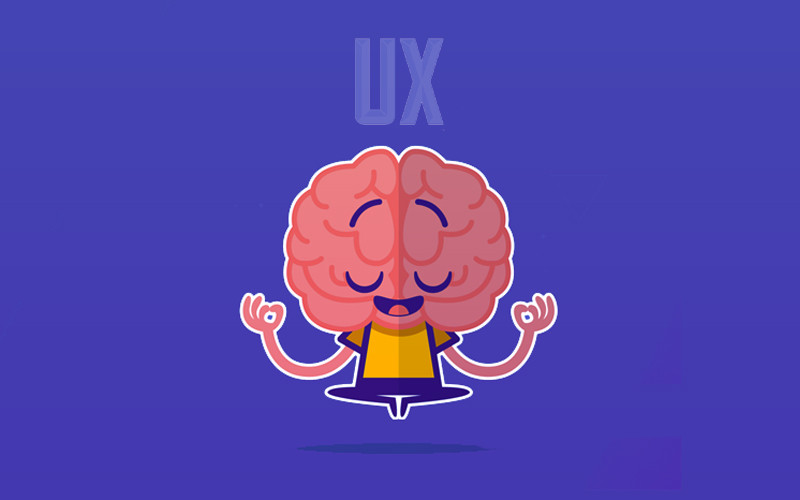
Behavioral psychology in UX focuses on understanding how people think, behave, and make decisions when interacting with digital interfaces. It examines how motivations, emotions, perception, and cognitive biases influence user actions. By applying behavioral principles, designers can create experiences that feel intuitive, meaningful, and aligned with natural human tendencies. Instead of guessing what users want, UX teams rely on psychological insights to shape interactions that reduce friction and guide users toward their goals.
Human behavior is strongly influenced by cognitive biases, which are mental shortcuts the brain uses to process information quickly. These biases affect how users interpret UI elements, evaluate options, and choose actions. For example, the anchoring bias influences how people judge prices or offers based on the first option they see. Similarly, the Von Restorff effect helps designers highlight key actions by making them visually distinct. Understanding these biases allows UX professionals to craft interfaces that support more predictable, guided behavior.
Emotion plays a central role in user experience, and behavioral psychology helps designers harness emotional triggers effectively. Interfaces that evoke positive emotions—such as trust, curiosity, or satisfaction—can increase engagement and retention. Progress indicators, rewards, personalized recommendations, and micro-interactions are examples of emotional cues that motivate users. When done thoughtfully, emotion-driven UX strengthens brand loyalty and creates memorable, enjoyable digital journeys.
Motivation is another essential component of behavioral psychology. Users are more likely to complete tasks when they understand the value and feel confident in their ability to succeed. UX designers use principles like self-determination theory, which emphasizes autonomy, competence, and connection. This is reflected in clear onboarding flows, empowering instructions, helpful feedback, and reassuring success messages. Reducing complexity and uncertainty helps users stay motivated and committed to their goals.
Behavioral psychology also highlights the importance of cognitive load—the mental effort required to process information. When interfaces overwhelm users with too many choices, complex layouts, or unclear instructions, decision fatigue sets in, reducing engagement. UX designers use cognitive load principles to simplify interfaces, group related information, prioritize essential actions, and guide attention effectively. Clear hierarchy, intuitive navigation, and minimal distractions help users process information effortlessly.
Social influence is a powerful psychological factor that shapes human decisions. UX design leverages social proof—like reviews, ratings, testimonials, and user counts—to build trust and reduce hesitation. When users see others benefitting from a product, they are more likely to feel confident in their own choices. Social cues also enhance community feeling, making products feel more reliable, credible, and user-focused. These strategies must be authentic to avoid manipulating or misleading users.
Another important aspect of behavioral psychology in UX is the use of behavioral cues and nudges. Nudging gently guides users toward beneficial actions without restricting their freedom. Examples include highlighting recommended options, using default settings, or reminding users about incomplete tasks. These subtle cues respect user autonomy while helping them make informed decisions. Nudges are especially useful in finance apps, health trackers, and education platforms where behavior change is a desired outcome.
Habit formation also plays a major role in modern UX design. Apps that encourage regular engagement—such as fitness apps, learning platforms, or productivity tools—use habit-building techniques like streaks, reminders, personalized milestones, and progress tracking. Over time, these cues help users build positive routines and maintain long-term engagement. Behavioral psychology ensures these systems encourage healthier habits rather than exploiting addictive tendencies.
When thoughtfully applied, behavioral psychology allows designers to create experiences that are not only functional but deeply human. It ensures that digital products work with natural human behavior rather than against it. By combining cognitive science, emotional design, and motivational principles, UX professionals build products that feel empathetic, intuitive, and meaningful. Instead of merely presenting information, interfaces become supportive companions that guide users with clarity, confidence, and care.
Human behavior is strongly influenced by cognitive biases, which are mental shortcuts the brain uses to process information quickly. These biases affect how users interpret UI elements, evaluate options, and choose actions. For example, the anchoring bias influences how people judge prices or offers based on the first option they see. Similarly, the Von Restorff effect helps designers highlight key actions by making them visually distinct. Understanding these biases allows UX professionals to craft interfaces that support more predictable, guided behavior.
Emotion plays a central role in user experience, and behavioral psychology helps designers harness emotional triggers effectively. Interfaces that evoke positive emotions—such as trust, curiosity, or satisfaction—can increase engagement and retention. Progress indicators, rewards, personalized recommendations, and micro-interactions are examples of emotional cues that motivate users. When done thoughtfully, emotion-driven UX strengthens brand loyalty and creates memorable, enjoyable digital journeys.
Motivation is another essential component of behavioral psychology. Users are more likely to complete tasks when they understand the value and feel confident in their ability to succeed. UX designers use principles like self-determination theory, which emphasizes autonomy, competence, and connection. This is reflected in clear onboarding flows, empowering instructions, helpful feedback, and reassuring success messages. Reducing complexity and uncertainty helps users stay motivated and committed to their goals.
Behavioral psychology also highlights the importance of cognitive load—the mental effort required to process information. When interfaces overwhelm users with too many choices, complex layouts, or unclear instructions, decision fatigue sets in, reducing engagement. UX designers use cognitive load principles to simplify interfaces, group related information, prioritize essential actions, and guide attention effectively. Clear hierarchy, intuitive navigation, and minimal distractions help users process information effortlessly.
Social influence is a powerful psychological factor that shapes human decisions. UX design leverages social proof—like reviews, ratings, testimonials, and user counts—to build trust and reduce hesitation. When users see others benefitting from a product, they are more likely to feel confident in their own choices. Social cues also enhance community feeling, making products feel more reliable, credible, and user-focused. These strategies must be authentic to avoid manipulating or misleading users.
Another important aspect of behavioral psychology in UX is the use of behavioral cues and nudges. Nudging gently guides users toward beneficial actions without restricting their freedom. Examples include highlighting recommended options, using default settings, or reminding users about incomplete tasks. These subtle cues respect user autonomy while helping them make informed decisions. Nudges are especially useful in finance apps, health trackers, and education platforms where behavior change is a desired outcome.
Habit formation also plays a major role in modern UX design. Apps that encourage regular engagement—such as fitness apps, learning platforms, or productivity tools—use habit-building techniques like streaks, reminders, personalized milestones, and progress tracking. Over time, these cues help users build positive routines and maintain long-term engagement. Behavioral psychology ensures these systems encourage healthier habits rather than exploiting addictive tendencies.
When thoughtfully applied, behavioral psychology allows designers to create experiences that are not only functional but deeply human. It ensures that digital products work with natural human behavior rather than against it. By combining cognitive science, emotional design, and motivational principles, UX professionals build products that feel empathetic, intuitive, and meaningful. Instead of merely presenting information, interfaces become supportive companions that guide users with clarity, confidence, and care.