
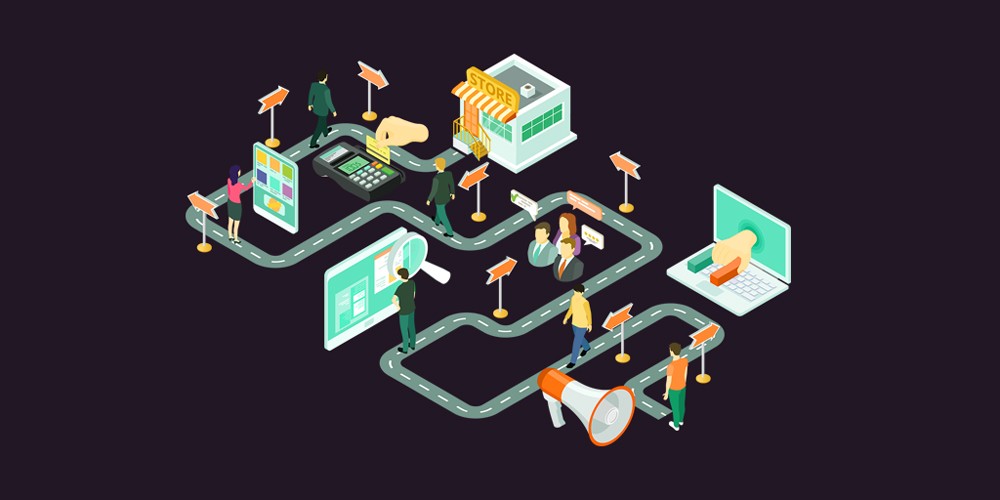
B2B and B2C digital strategies differ fundamentally because their audiences have different motivations, decision-making processes, and purchasing behaviors. While B2C strategies aim to capture emotions, instant appeal, and mass engagement, B2B strategies prioritize long-term relationships, logic-driven decisions, and targeted value communication. These differences influence website design, content formats, marketing channels, lead journeys, and conversion tactics in distinct ways.
Audience behavior is the biggest differentiator. B2C customers often make quick decisions based on personal needs, emotions, or trends. Their buying journey is short and influenced by simplicity, visual appeal, and attractive offers. In contrast, B2B buyers behave strategically, conducting extensive research, comparing solutions, consulting teams, and evaluating ROI. Their journey is longer, rational, and typically involves multiple decision-makers, requiring more detailed information and trust-building touchpoints.
Content strategy also diverges greatly between B2B and B2C. B2C content focuses on storytelling, lifestyle appeal, product benefits, and emotional triggers to drive immediate action. Formats like short videos, reels, influencer marketing, and product images dominate. B2B content emphasizes expertise, depth, and problem solving, using whitepapers, case studies, webinars, ROI calculators, and long-form articles. The intent is to educate, build credibility, and support informed decision-making rather than trigger impulse purchases.
Marketing channels play different roles in each ecosystem. B2C brands thrive on social media platforms like Instagram, YouTube, Facebook, and TikTok, where visual and viral content spreads quickly. Paid ads, influencer endorsements, and personalized product recommendations strengthen engagement. B2B strategies rely heavily on LinkedIn, email marketing, industry forums, SEO-driven content, and account-based marketing (ABM). These channels support lead generation, nurturing, and professional credibility.
Customer relationships in B2B require much deeper nurturing compared to B2C. B2C brands focus on maintaining customer loyalty through seamless experiences, discounts, fast delivery, and intuitive apps. B2B relationships are built over months or years with continuous communication, dedicated account managers, support teams, and long-term onboarding. Trust, reliability, and personalized service matter far more than visual appeal or trend-driven marketing.
The decision-making process also varies greatly. B2C decisions are individual and emotional—customers buy because something looks good, feels useful, or seems exciting. B2B decisions are collaborative and data-driven, usually involving procurement teams, managers, and financial departments. Every purchase demands justification, financial clarity, technical details, and evidence of long-term impact. As a result, B2B digital strategies rely heavily on logical persuasion, product demos, and transparent metrics.
Conversion strategy differs based on business goals. B2C conversions happen quickly through simple CTAs like “Buy Now,” “Add to Cart,” or “Sign Up.” The focus is on reducing friction, increasing impulse buying, and offering fast checkout experiences. B2B conversions are more layered, involving lead magnets, quote requests, consultations, product demos, or long-term pricing discussions. The goal is not immediate purchase, but qualification, nurturing, and eventual contract closure.
Personalization methods differ as well. B2C personalization centers around browsing behavior, purchase history, and preferences to show relevant products or deals. B2B personalization is more advanced and often account-based, tailoring content for specific companies, industries, pain points, or roles within an organization. Instead of product suggestions, B2B personalization delivers insights, tools, and strategic recommendations aligned with the buyer's business goals.
Overall, B2B and B2C digital strategies vary because their audiences think differently, behave differently, and expect different interactions. B2C aims to trigger emotion, speed, and convenience, while B2B prioritizes trust, depth, precision, and long-term value. Understanding these differences allows companies to design digital experiences that fit their market, build stronger relationships, and drive meaningful results.
Audience behavior is the biggest differentiator. B2C customers often make quick decisions based on personal needs, emotions, or trends. Their buying journey is short and influenced by simplicity, visual appeal, and attractive offers. In contrast, B2B buyers behave strategically, conducting extensive research, comparing solutions, consulting teams, and evaluating ROI. Their journey is longer, rational, and typically involves multiple decision-makers, requiring more detailed information and trust-building touchpoints.
Content strategy also diverges greatly between B2B and B2C. B2C content focuses on storytelling, lifestyle appeal, product benefits, and emotional triggers to drive immediate action. Formats like short videos, reels, influencer marketing, and product images dominate. B2B content emphasizes expertise, depth, and problem solving, using whitepapers, case studies, webinars, ROI calculators, and long-form articles. The intent is to educate, build credibility, and support informed decision-making rather than trigger impulse purchases.
Marketing channels play different roles in each ecosystem. B2C brands thrive on social media platforms like Instagram, YouTube, Facebook, and TikTok, where visual and viral content spreads quickly. Paid ads, influencer endorsements, and personalized product recommendations strengthen engagement. B2B strategies rely heavily on LinkedIn, email marketing, industry forums, SEO-driven content, and account-based marketing (ABM). These channels support lead generation, nurturing, and professional credibility.
Customer relationships in B2B require much deeper nurturing compared to B2C. B2C brands focus on maintaining customer loyalty through seamless experiences, discounts, fast delivery, and intuitive apps. B2B relationships are built over months or years with continuous communication, dedicated account managers, support teams, and long-term onboarding. Trust, reliability, and personalized service matter far more than visual appeal or trend-driven marketing.
The decision-making process also varies greatly. B2C decisions are individual and emotional—customers buy because something looks good, feels useful, or seems exciting. B2B decisions are collaborative and data-driven, usually involving procurement teams, managers, and financial departments. Every purchase demands justification, financial clarity, technical details, and evidence of long-term impact. As a result, B2B digital strategies rely heavily on logical persuasion, product demos, and transparent metrics.
Conversion strategy differs based on business goals. B2C conversions happen quickly through simple CTAs like “Buy Now,” “Add to Cart,” or “Sign Up.” The focus is on reducing friction, increasing impulse buying, and offering fast checkout experiences. B2B conversions are more layered, involving lead magnets, quote requests, consultations, product demos, or long-term pricing discussions. The goal is not immediate purchase, but qualification, nurturing, and eventual contract closure.
Personalization methods differ as well. B2C personalization centers around browsing behavior, purchase history, and preferences to show relevant products or deals. B2B personalization is more advanced and often account-based, tailoring content for specific companies, industries, pain points, or roles within an organization. Instead of product suggestions, B2B personalization delivers insights, tools, and strategic recommendations aligned with the buyer's business goals.
Overall, B2B and B2C digital strategies vary because their audiences think differently, behave differently, and expect different interactions. B2C aims to trigger emotion, speed, and convenience, while B2B prioritizes trust, depth, precision, and long-term value. Understanding these differences allows companies to design digital experiences that fit their market, build stronger relationships, and drive meaningful results.