
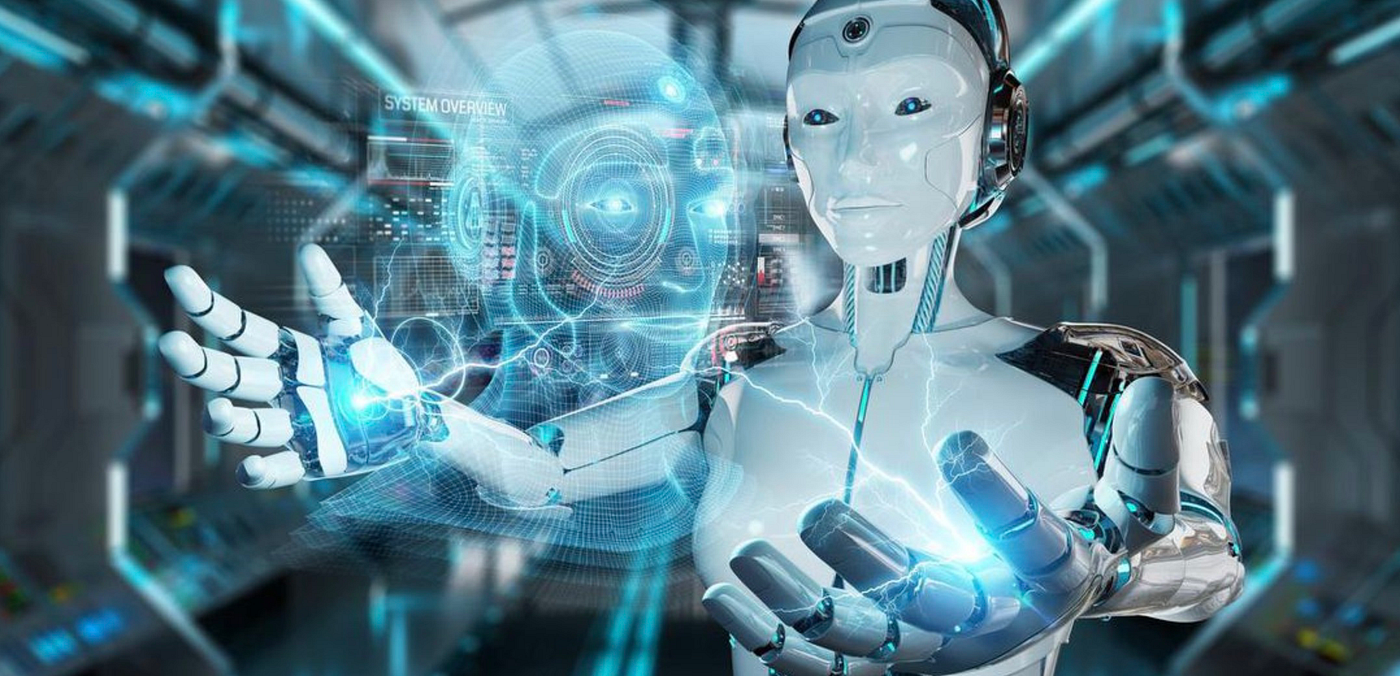
AutoGPT and autonomous machine learning systems represent a fundamental shift in how artificial intelligence operates. Instead of waiting for humans to give step-by-step instructions, these AI agents can independently plan, execute, and refine actions to accomplish complex goals. Built on top of powerful large language models, AutoGPT combines reasoning, memory, tool usage, and self-correction to function as a true digital worker. Rather than producing only a single response like traditional chatbots, this new class of AI continuously analyzes its own tasks, breaks them into smaller actions, and repeats the thinking loop until it reaches the desired outcome. This autonomous structure makes AutoGPT one of the biggest breakthroughs in applied AI, unlocking new levels of automation and efficiency across industries.
At the core of this autonomy is the ability to decompose goals. When given an objective, AutoGPT generates a plan consisting of multiple subtasks—researching information, writing scripts, calling APIs, checking results, and iterating based on feedback. These steps run in a loop until the AI determines it has completed the mission. Memory systems help maintain long-term context, allowing AutoGPT to learn from previous attempts, store important data, and avoid repeating mistakes. This transforms the AI from a simple assistant into a persistent, self-improving agent capable of handling workflows that traditionally require human oversight.
One of the most impactful applications of autonomous ML systems lies in automating entire machine learning pipelines. Instead of relying on data scientists to manually clean data, tune hyperparameters, or test multiple models, an autonomous ML agent can execute all these steps independently. It can prepare datasets, choose the best algorithms, train several models in parallel, evaluate accuracy, and deploy the most effective version—all without human intervention. This dramatically reduces development time and eliminates bottlenecks in industries where rapid adaptation is essential, such as fraud detection, logistics forecasting, or real-time personalization.
Beyond data science, AutoGPT extends into broader business operations. Autonomous agents can perform market analysis, generate reports, write software code, manage scheduling tasks, optimize business workflows, and even run small digital businesses on their own. In software engineering, they can detect bugs, propose fixes, generate test cases, and refactor codebases. In finance, they support algorithmic trading and risk modeling. In healthcare, they assist with document processing, medical research, and decision support. These capabilities redefine productivity by allowing AI to work continuously, at scale, with minimal human supervision.
A powerful advancement in this field is the rise of multi-agent AI systems, where several specialized AI agents collaborate like members of a human team. One agent may handle planning while another writes code, a third tests outputs, and a fourth manages documentation. They communicate and coordinate with each other using natural language, forming a fully automated digital workforce capable of completing end-to-end projects. This multi-agent collaboration mirrors organizational structures and has the potential to create AI-driven companies that operate with high autonomy.
To achieve such autonomy, AutoGPT relies on a sophisticated architecture that integrates reasoning, memory, tools, and feedback loops. The large language model acts as the “brain,” processing instructions and performing advanced reasoning. Memory modules store long-term information, enabling continuity across tasks. Tool integration lets the AI interact with the real world through APIs, web browsing, Python execution, or database access. The self-critique loop evaluates each step for errors, inefficiencies, or missing information. Together, these components form a self-managing system capable of sustaining long, multi-step operations without human interference.
However, autonomous AI also brings significant challenges and risks. Since AI agents can take actions independently, issues like hallucinated facts, incorrect decisions, or unsafe tool usage must be carefully controlled. Ethical concerns arise around automated decision-making, transparency, accountability, and the potential for misuse. Security risks are heightened if agents access sensitive data or external systems without proper safeguards. Ensuring a robust safety layer—through guardrails, permissions, human verification steps, and monitoring—is essential before deploying autonomous agents in critical environments.
Despite these challenges, the future of AutoGPT and autonomous ML systems is extremely promising. As models become more capable and memory systems more advanced, AI agents will handle increasingly complex tasks—designing products, optimizing supply chains, analyzing scientific data, and even building new AI models. Integration with robotics, IoT, and digital twins will extend autonomy into physical environments, enabling smart factories, autonomous research labs, and AI-operated businesses. Over time, these systems may evolve into powerful co-workers and collaborators that reshape industries and redefine how digital work is done.
In the coming years, autonomous AI will become a foundational technology for businesses, governments, education, and innovation. The shift from human-driven prompts to self-directed AI action marks a major turning point in computing. AutoGPT and autonomous ML systems are not just tools—they are emerging as autonomous digital entities capable of reasoning, learning, adapting, and solving complex real-world problems. Their potential is enormous, and the organizations that adopt them early will lead the next wave of technological transformation.
At the core of this autonomy is the ability to decompose goals. When given an objective, AutoGPT generates a plan consisting of multiple subtasks—researching information, writing scripts, calling APIs, checking results, and iterating based on feedback. These steps run in a loop until the AI determines it has completed the mission. Memory systems help maintain long-term context, allowing AutoGPT to learn from previous attempts, store important data, and avoid repeating mistakes. This transforms the AI from a simple assistant into a persistent, self-improving agent capable of handling workflows that traditionally require human oversight.
One of the most impactful applications of autonomous ML systems lies in automating entire machine learning pipelines. Instead of relying on data scientists to manually clean data, tune hyperparameters, or test multiple models, an autonomous ML agent can execute all these steps independently. It can prepare datasets, choose the best algorithms, train several models in parallel, evaluate accuracy, and deploy the most effective version—all without human intervention. This dramatically reduces development time and eliminates bottlenecks in industries where rapid adaptation is essential, such as fraud detection, logistics forecasting, or real-time personalization.
Beyond data science, AutoGPT extends into broader business operations. Autonomous agents can perform market analysis, generate reports, write software code, manage scheduling tasks, optimize business workflows, and even run small digital businesses on their own. In software engineering, they can detect bugs, propose fixes, generate test cases, and refactor codebases. In finance, they support algorithmic trading and risk modeling. In healthcare, they assist with document processing, medical research, and decision support. These capabilities redefine productivity by allowing AI to work continuously, at scale, with minimal human supervision.
A powerful advancement in this field is the rise of multi-agent AI systems, where several specialized AI agents collaborate like members of a human team. One agent may handle planning while another writes code, a third tests outputs, and a fourth manages documentation. They communicate and coordinate with each other using natural language, forming a fully automated digital workforce capable of completing end-to-end projects. This multi-agent collaboration mirrors organizational structures and has the potential to create AI-driven companies that operate with high autonomy.
To achieve such autonomy, AutoGPT relies on a sophisticated architecture that integrates reasoning, memory, tools, and feedback loops. The large language model acts as the “brain,” processing instructions and performing advanced reasoning. Memory modules store long-term information, enabling continuity across tasks. Tool integration lets the AI interact with the real world through APIs, web browsing, Python execution, or database access. The self-critique loop evaluates each step for errors, inefficiencies, or missing information. Together, these components form a self-managing system capable of sustaining long, multi-step operations without human interference.
However, autonomous AI also brings significant challenges and risks. Since AI agents can take actions independently, issues like hallucinated facts, incorrect decisions, or unsafe tool usage must be carefully controlled. Ethical concerns arise around automated decision-making, transparency, accountability, and the potential for misuse. Security risks are heightened if agents access sensitive data or external systems without proper safeguards. Ensuring a robust safety layer—through guardrails, permissions, human verification steps, and monitoring—is essential before deploying autonomous agents in critical environments.
Despite these challenges, the future of AutoGPT and autonomous ML systems is extremely promising. As models become more capable and memory systems more advanced, AI agents will handle increasingly complex tasks—designing products, optimizing supply chains, analyzing scientific data, and even building new AI models. Integration with robotics, IoT, and digital twins will extend autonomy into physical environments, enabling smart factories, autonomous research labs, and AI-operated businesses. Over time, these systems may evolve into powerful co-workers and collaborators that reshape industries and redefine how digital work is done.
In the coming years, autonomous AI will become a foundational technology for businesses, governments, education, and innovation. The shift from human-driven prompts to self-directed AI action marks a major turning point in computing. AutoGPT and autonomous ML systems are not just tools—they are emerging as autonomous digital entities capable of reasoning, learning, adapting, and solving complex real-world problems. Their potential is enormous, and the organizations that adopt them early will lead the next wave of technological transformation.