
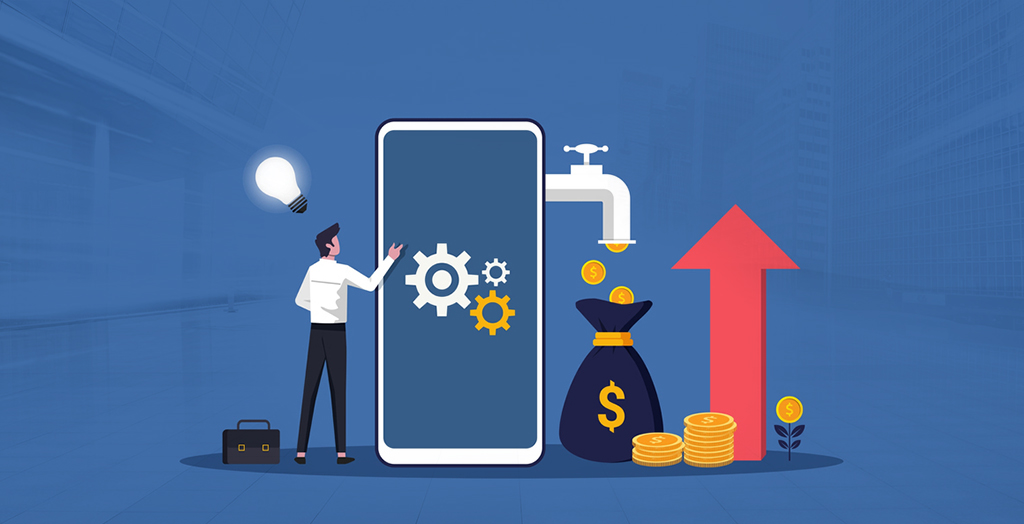
App monetization strategies refer to the different ways developers generate revenue from their mobile applications while maintaining a positive user experience. As the mobile app market continues to grow rapidly, effective monetization isn’t just a financial bonus—it’s essential for long-term sustainability. The right strategy ensures that the app reaches its intended audience, provides value, and encourages continued engagement without overwhelming users with ads or unnecessary purchases. A well-designed monetization approach blends user psychology, product value, and market research into a cohesive plan that benefits both the business and the end-users.
One of the most widely adopted monetization approaches is integrating advertisements. Ads can include banner ads, interstitial ads, native ads, and rewarded video ads, each offering unique revenue potential. Rewarded ads, for example, allow users to view an optional video in exchange for benefits like points or premium features, balancing monetization with user satisfaction. While ads can generate continuous income, developers must use them cautiously. Excessive ads lead to frustration and app abandonment. The most successful apps place ads strategically to enhance rather than disrupt the user experience.
Another powerful technique is in-app purchases, which allow users to buy digital goods within the application. These purchases may include game items, premium filters, advanced tools, currency packs, or subscriptions that unlock exclusive features. The key to effective in-app purchase design lies in understanding user needs and offering meaningful value. Many top mobile games use a “freemium” approach by making the core experience free while providing enticing upgrades for users willing to pay. When done correctly, in-app purchases feel like enhancements rather than mandatory expenses.
Subscriptions are becoming the dominant monetization model for non-gaming apps. Productivity tools, fitness apps, streaming services, and learning platforms rely heavily on subscription plans to provide stable, recurring revenue. Subscriptions can be tiered, offering different levels of access and features. This model encourages long-term engagement because users feel invested in maintaining access to the service. It also creates a predictable revenue stream for developers. However, apps must consistently deliver value to prevent subscription fatigue, cancellations, and negative user sentiment.
Some apps follow a paid download model, requiring users to pay upfront before accessing the content. This strategy works best for niche, high-value apps where the audience is willing to pay for premium quality—such as professional tools, specialized health apps, or high-end games. Although paid apps often generate high initial revenue, they may struggle with discoverability because users prefer trying free apps first. Successful paid apps rely on strong branding, credibility, and positive reviews to attract paying users in a competitive market.
Affiliate marketing and partnerships introduce another monetization opportunity. Apps can earn commissions by promoting products, services, or brands that align with their content. Fitness apps can promote sports gear, finance apps can recommend investment platforms, and travel apps can integrate hotel or flight bookings. When integrated seamlessly, affiliate marketing feels natural and helpful to the user. The challenge is maintaining transparency and avoiding excessive commercialization, which can undermine trust.
Data monetization is also a rising trend, where anonymous usage data is analyzed to uncover patterns or insights. This information helps companies refine marketing strategies or improve product development. Ethical data monetization focuses strictly on anonymized, non-sensitive data that users knowingly agree to share. Maintaining user trust is essential, especially with increasing privacy regulations like GDPR and CCPA. Ethical handling and transparent communication about data usage help build credibility.
Emerging technologies are shaping new monetization possibilities. Apps are now integrating NFTs, digital collectibles, AI-powered premium features, and blockchain-based transactions. With advancements in machine learning, apps can personalize monetization offers based on user behavior, increasing conversion rates. These innovative approaches allow apps to stay competitive and provide unique forms of value. However, developers should ensure that these features remain user-friendly and accessible to avoid overwhelming non-technical audiences.
Building an effective monetization strategy requires analytics, experimentation, and continuous optimization. Developers must track user behavior, A/B test pricing options, analyze drop-off points, and adjust offerings based on real data. The best monetization strategies grow with the app, evolving based on user feedback and changing market trends. Ultimately, the goal is to strike a perfect balance: maximizing revenue while delivering a seamless, engaging, and meaningful user experience that keeps people coming back.
One of the most widely adopted monetization approaches is integrating advertisements. Ads can include banner ads, interstitial ads, native ads, and rewarded video ads, each offering unique revenue potential. Rewarded ads, for example, allow users to view an optional video in exchange for benefits like points or premium features, balancing monetization with user satisfaction. While ads can generate continuous income, developers must use them cautiously. Excessive ads lead to frustration and app abandonment. The most successful apps place ads strategically to enhance rather than disrupt the user experience.
Another powerful technique is in-app purchases, which allow users to buy digital goods within the application. These purchases may include game items, premium filters, advanced tools, currency packs, or subscriptions that unlock exclusive features. The key to effective in-app purchase design lies in understanding user needs and offering meaningful value. Many top mobile games use a “freemium” approach by making the core experience free while providing enticing upgrades for users willing to pay. When done correctly, in-app purchases feel like enhancements rather than mandatory expenses.
Subscriptions are becoming the dominant monetization model for non-gaming apps. Productivity tools, fitness apps, streaming services, and learning platforms rely heavily on subscription plans to provide stable, recurring revenue. Subscriptions can be tiered, offering different levels of access and features. This model encourages long-term engagement because users feel invested in maintaining access to the service. It also creates a predictable revenue stream for developers. However, apps must consistently deliver value to prevent subscription fatigue, cancellations, and negative user sentiment.
Some apps follow a paid download model, requiring users to pay upfront before accessing the content. This strategy works best for niche, high-value apps where the audience is willing to pay for premium quality—such as professional tools, specialized health apps, or high-end games. Although paid apps often generate high initial revenue, they may struggle with discoverability because users prefer trying free apps first. Successful paid apps rely on strong branding, credibility, and positive reviews to attract paying users in a competitive market.
Affiliate marketing and partnerships introduce another monetization opportunity. Apps can earn commissions by promoting products, services, or brands that align with their content. Fitness apps can promote sports gear, finance apps can recommend investment platforms, and travel apps can integrate hotel or flight bookings. When integrated seamlessly, affiliate marketing feels natural and helpful to the user. The challenge is maintaining transparency and avoiding excessive commercialization, which can undermine trust.
Data monetization is also a rising trend, where anonymous usage data is analyzed to uncover patterns or insights. This information helps companies refine marketing strategies or improve product development. Ethical data monetization focuses strictly on anonymized, non-sensitive data that users knowingly agree to share. Maintaining user trust is essential, especially with increasing privacy regulations like GDPR and CCPA. Ethical handling and transparent communication about data usage help build credibility.
Emerging technologies are shaping new monetization possibilities. Apps are now integrating NFTs, digital collectibles, AI-powered premium features, and blockchain-based transactions. With advancements in machine learning, apps can personalize monetization offers based on user behavior, increasing conversion rates. These innovative approaches allow apps to stay competitive and provide unique forms of value. However, developers should ensure that these features remain user-friendly and accessible to avoid overwhelming non-technical audiences.
Building an effective monetization strategy requires analytics, experimentation, and continuous optimization. Developers must track user behavior, A/B test pricing options, analyze drop-off points, and adjust offerings based on real data. The best monetization strategies grow with the app, evolving based on user feedback and changing market trends. Ultimately, the goal is to strike a perfect balance: maximizing revenue while delivering a seamless, engaging, and meaningful user experience that keeps people coming back.