
API documentation is a critical part of modern software development because it defines how different systems communicate with each other. As businesses increasingly rely on services, microservices, cloud functions, and third-party integrations, having clear, standardized, and machine-readable API documentation becomes mandatory. Swagger and OpenAPI have emerged as the most widely used tools and standards for describing REST APIs in a way that is simple to read, easy to share, and automatically testable. This combination of human-readable and machine-executable documentation has made OpenAPI the global standard for API design and Swagger the most popular toolkit ecosystem built around it.
OpenAPI is essentially a specification — a format that defines how an API should be documented. Instead of writing plain text descriptions, developers use a structured YAML or JSON format to describe endpoints, request parameters, responses, authentication methods, error codes, and data models. Because this format is standardized, tools like Swagger UI can automatically generate interactive documentation from it. The standardization ensures that every API, regardless of backend language or framework, can be described in the same consistent way. This eliminates confusion, simplifies onboarding, and greatly improves collaboration between backend developers, frontend developers, QA testers, and third-party partners who consume the API.
Swagger is the ecosystem of tools that works with the OpenAPI specification. The three most widely used tools are Swagger Editor, Swagger UI, and Swagger Codegen. Swagger Editor allows developers to design API definitions visually or through YAML/JSON. Swagger UI converts the OpenAPI file into an interactive webpage where users can explore each endpoint, view request bodies and example responses, and even try live API calls. Swagger Codegen goes one step further by generating server stubs or client SDKs automatically in multiple languages based on the OpenAPI file. This automation saves huge amounts of development time and ensures that the actual code implementation stays consistent with the documented contract.
Interactive documentation is one of the biggest strengths of Swagger. Instead of reading lengthy text, a developer visiting Swagger UI sees neatly organized endpoints grouped by functionality. Each endpoint expands to show HTTP methods, input fields, example payloads, response schemas, and status codes. The “Try It Out” button allows anyone to make live requests using real parameters directly from the documentation screen, without needing an external API testing tool like Postman. This interactive nature accelerates testing, debugging, and learning. New developers can understand the API faster because the documentation acts almost like a mini API playground.
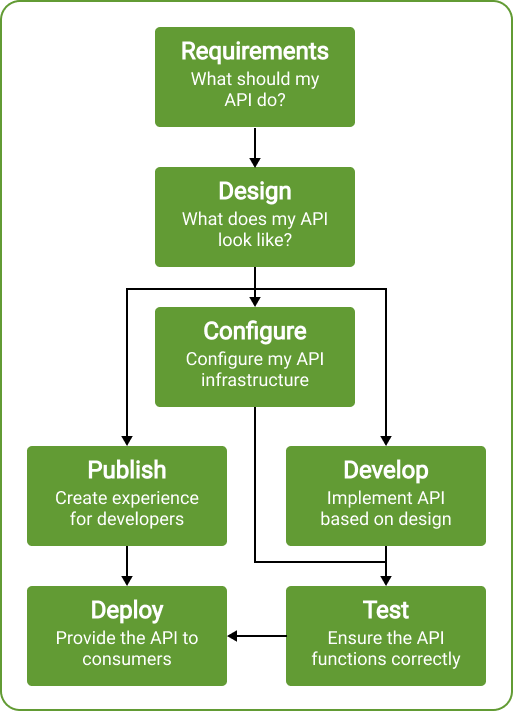
Another important benefit of the OpenAPI + Swagger ecosystem is API-first development. Instead of writing backend code first and trying to document afterward, teams start by designing the API contract in an OpenAPI specification. Once the contract is finalized, backend developers build endpoints based on it, frontend teams integrate using generated SDKs, and QA teams write test cases using the same specification. This method ensures consistency across the entire development lifecycle and avoids breaking changes. It also encourages better architectural decisions because the API is intentionally designed rather than accidentally created during coding.
Maintaining up-to-date documentation is a major challenge in software projects, but OpenAPI solves this through automation. Many modern frameworks such as Spring Boot, Django, Node.js Express, Laravel, and FastAPI include built-in annotations that automatically generate OpenAPI documentation. This reduces manual work, lowers the chance of outdated documentation, and keeps API descriptions aligned with implementation. Whenever developers modify an endpoint or data model, the documentation updates instantly. Continuous Integration (CI) pipelines can even validate OpenAPI files automatically to prevent breaking changes or invalid syntax before deployment.
OpenAPI also improves API governance. In large organizations, multiple teams might expose dozens or hundreds of microservices. Without standardized documentation, inconsistent naming, different authentication styles, conflicting response formats, and unclear error codes can quickly lead to chaos. OpenAPI provides a contract that all teams can follow, enabling consistency across services. Governance teams can enforce guidelines such as naming conventions, response structures, or error handling rules. This creates a uniform API experience, which is extremely important when building enterprise-scale systems with many interconnected components.
Security and reliability also benefit from OpenAPI. The specification allows API designers to clearly document authentication schemes such as OAuth2, JWT, API keys, or Basic Auth. This helps consumers understand exactly how to request access tokens or attach credentials. Tools like Swagger Inspector can automatically test endpoints for security vulnerabilities or performance issues. Additionally, OpenAPI files can integrate with API gateways like Kong, AWS API Gateway, and Apigee to create automated validation, rate limiting, and schema enforcement. These mechanisms prevent malformed requests from breaking downstream services and ensure that APIs remain robust even under heavy loads.
In summary, API documentation with Swagger and OpenAPI has revolutionized how modern software systems communicate. OpenAPI provides a universal language for describing REST APIs, while the Swagger ecosystem brings that description to life through interactive documentation, automated code generation, and seamless integration into CI/CD pipelines. These tools enable API-first development, improve collaboration across teams, ensure consistency and governance, reduce onboarding time for new developers, and increase overall system reliability. As the software industry continues to evolve toward microservices, distributed systems, and global integrations, mastering Swagger and OpenAPI becomes an essential skill for developers, DevOps engineers, API architects, and technical teams who want to build scalable, professional, and well-structured APIs.
OpenAPI is essentially a specification — a format that defines how an API should be documented. Instead of writing plain text descriptions, developers use a structured YAML or JSON format to describe endpoints, request parameters, responses, authentication methods, error codes, and data models. Because this format is standardized, tools like Swagger UI can automatically generate interactive documentation from it. The standardization ensures that every API, regardless of backend language or framework, can be described in the same consistent way. This eliminates confusion, simplifies onboarding, and greatly improves collaboration between backend developers, frontend developers, QA testers, and third-party partners who consume the API.
Swagger is the ecosystem of tools that works with the OpenAPI specification. The three most widely used tools are Swagger Editor, Swagger UI, and Swagger Codegen. Swagger Editor allows developers to design API definitions visually or through YAML/JSON. Swagger UI converts the OpenAPI file into an interactive webpage where users can explore each endpoint, view request bodies and example responses, and even try live API calls. Swagger Codegen goes one step further by generating server stubs or client SDKs automatically in multiple languages based on the OpenAPI file. This automation saves huge amounts of development time and ensures that the actual code implementation stays consistent with the documented contract.
Interactive documentation is one of the biggest strengths of Swagger. Instead of reading lengthy text, a developer visiting Swagger UI sees neatly organized endpoints grouped by functionality. Each endpoint expands to show HTTP methods, input fields, example payloads, response schemas, and status codes. The “Try It Out” button allows anyone to make live requests using real parameters directly from the documentation screen, without needing an external API testing tool like Postman. This interactive nature accelerates testing, debugging, and learning. New developers can understand the API faster because the documentation acts almost like a mini API playground.
Another important benefit of the OpenAPI + Swagger ecosystem is API-first development. Instead of writing backend code first and trying to document afterward, teams start by designing the API contract in an OpenAPI specification. Once the contract is finalized, backend developers build endpoints based on it, frontend teams integrate using generated SDKs, and QA teams write test cases using the same specification. This method ensures consistency across the entire development lifecycle and avoids breaking changes. It also encourages better architectural decisions because the API is intentionally designed rather than accidentally created during coding.
Maintaining up-to-date documentation is a major challenge in software projects, but OpenAPI solves this through automation. Many modern frameworks such as Spring Boot, Django, Node.js Express, Laravel, and FastAPI include built-in annotations that automatically generate OpenAPI documentation. This reduces manual work, lowers the chance of outdated documentation, and keeps API descriptions aligned with implementation. Whenever developers modify an endpoint or data model, the documentation updates instantly. Continuous Integration (CI) pipelines can even validate OpenAPI files automatically to prevent breaking changes or invalid syntax before deployment.
OpenAPI also improves API governance. In large organizations, multiple teams might expose dozens or hundreds of microservices. Without standardized documentation, inconsistent naming, different authentication styles, conflicting response formats, and unclear error codes can quickly lead to chaos. OpenAPI provides a contract that all teams can follow, enabling consistency across services. Governance teams can enforce guidelines such as naming conventions, response structures, or error handling rules. This creates a uniform API experience, which is extremely important when building enterprise-scale systems with many interconnected components.
Security and reliability also benefit from OpenAPI. The specification allows API designers to clearly document authentication schemes such as OAuth2, JWT, API keys, or Basic Auth. This helps consumers understand exactly how to request access tokens or attach credentials. Tools like Swagger Inspector can automatically test endpoints for security vulnerabilities or performance issues. Additionally, OpenAPI files can integrate with API gateways like Kong, AWS API Gateway, and Apigee to create automated validation, rate limiting, and schema enforcement. These mechanisms prevent malformed requests from breaking downstream services and ensure that APIs remain robust even under heavy loads.
In summary, API documentation with Swagger and OpenAPI has revolutionized how modern software systems communicate. OpenAPI provides a universal language for describing REST APIs, while the Swagger ecosystem brings that description to life through interactive documentation, automated code generation, and seamless integration into CI/CD pipelines. These tools enable API-first development, improve collaboration across teams, ensure consistency and governance, reduce onboarding time for new developers, and increase overall system reliability. As the software industry continues to evolve toward microservices, distributed systems, and global integrations, mastering Swagger and OpenAPI becomes an essential skill for developers, DevOps engineers, API architects, and technical teams who want to build scalable, professional, and well-structured APIs.