
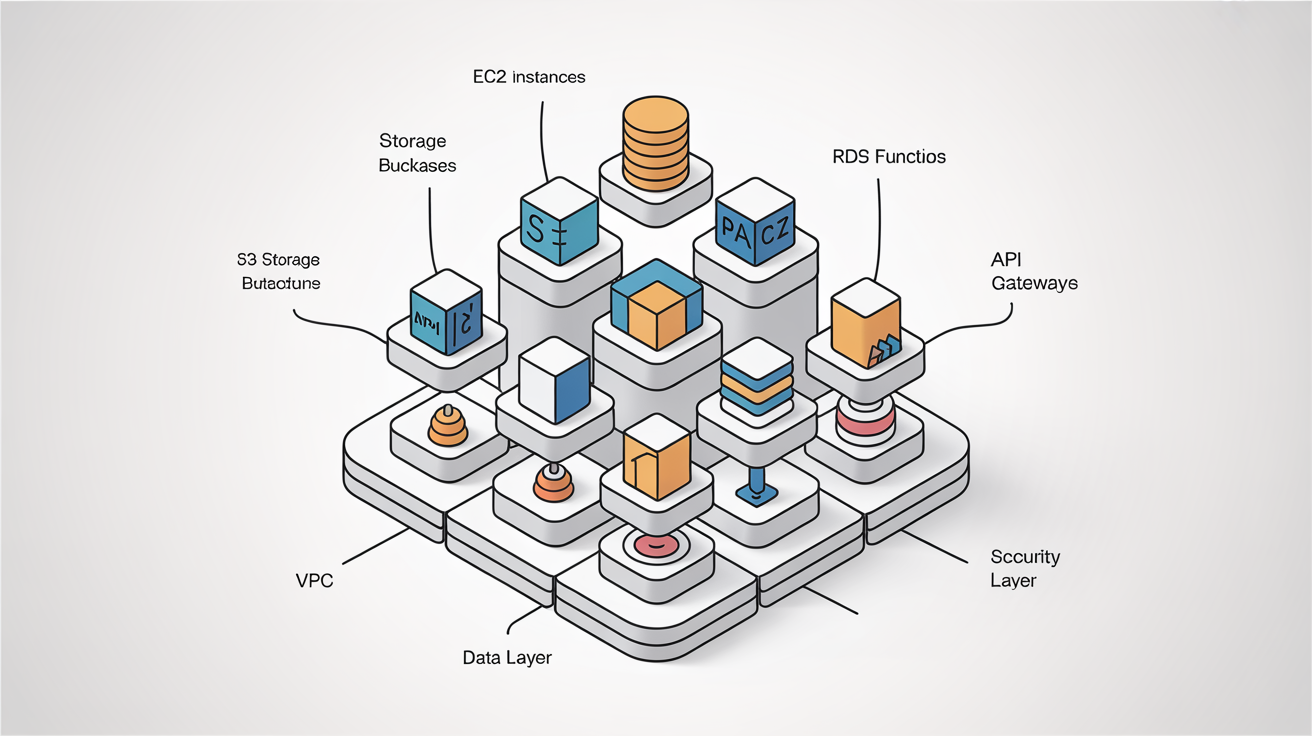
AIOps—short for Artificial Intelligence for IT Operations—is transforming how modern organizations manage their cloud infrastructure, applications, and digital services. At its core, AIOps leverages machine learning, automation, and data analytics to monitor systems, detect anomalies, resolve incidents, and optimize performance—all in real-time. As cloud adoption grows, traditional manual operations fail to keep pace with the scale, complexity, and velocity of cloud-native architectures. Distributed systems, microservices, multi-cloud deployments, and hybrid environments generate massive amounts of metrics, logs, and event data. It is humanly impossible for IT teams to analyze this data manually. AIOps replaces reactive, manual processes with proactive, automated intelligence, ensuring stability, speed, and uninterrupted digital experiences.
One of the biggest advantages of AIOps in cloud environments is its ability to predict and prevent outages before they occur. Modern AI models analyze historical performance data, detect unusual behavior, and identify patterns that signal potential failures. Instead of responding to downtime, AIOps engines alert teams proactively or even fix the issue autonomously. For example, if a cloud database shows early signs of overload or if a microservice begins slowing down due to increased latency, the AIOps system can automatically scale resources, reroute traffic, or restart problematic services. This shift from reactive troubleshooting to predictive operations drastically reduces Mean Time to Detect (MTTD) and Mean Time to Repair (MTTR), improving reliability and reducing service disruption.
Automation plays a central role in AIOps, enabling faster and more consistent cloud operations. Tasks that traditionally required manual intervention—log analysis, patch management, capacity forecasting, resource allocation, and event correlation—are now fully automated. AIOps platforms integrate with cloud providers like AWS, Azure, and Google Cloud to execute automated workflows such as dynamic scaling, load-balancing adjustments, automated failovers, and healing routines. This automation not only enhances performance but also frees IT teams from repetitive tasks, allowing them to focus on innovation, architectural improvements, and strategic decision-making. The combination of AI insights and cloud automation creates a self-healing ecosystem where issues are resolved in seconds instead of hours.
Another major benefit of AIOps is its ability to consolidate and make sense of fragmented operational data. Modern cloud systems generate millions of logs, telemetry signals, traces, and alerts every day. Without intelligent systems, this data becomes overwhelming, leading to alert fatigue, misdiagnosis, and delayed incident response. AIOps platforms ingest all operational data—logs, events, metrics, traces, configuration changes—and correlate them with business KPIs. Through root-cause analysis, AIOps automatically identifies the exact source of a problem, whether it's a failed deployment, misconfigured API, database bottleneck, or network spike. This clarity helps teams rapidly understand not only what happened, but why it happened. Unified observability powered by AIOps improves accuracy, reduces noise, and strengthens operational decision-making.
Cloud cost optimization is another area where AIOps delivers immense value. As organizations adopt multi-cloud and hybrid-cloud strategies, managing costs becomes increasingly complex. AIOps systems analyze cloud usage patterns, predict future consumption, and recommend cost-saving measures such as rightsizing instances, removing unused resources, optimizing storage, and shifting workloads to cheaper options. AI-driven recommendations prevent cloud waste and bring financial transparency to operations. Some advanced AIOps solutions can even automate these optimizations—shutting down idle servers, resizing clusters, or moving workloads during off-peak hours—without requiring human intervention. With cloud bills becoming a significant expense for enterprises, intelligent cost governance powered by AIOps becomes a competitive advantage.
Security operations also benefit significantly from AIOps-enabled automation. Modern cloud systems face continuous threats from cyberattacks, misconfigurations, data breaches, and abnormal user behavior. AIOps tools use anomaly detection, behavioral analytics, and real-time monitoring to identify security incidents instantly. They can flag suspicious login patterns, unusual API calls, privilege escalations, or traffic spikes that indicate potential attacks. Integrating AIOps with security (forming SecOps + AIOps) enables automated incident response—isolating compromised instances, blocking unauthorized access, or encrypting sensitive data. This real-time defense improves cloud security posture and ensures compliance with frameworks like ISO, SOC 2, and GDPR.
AIOps is also revolutionizing DevOps and cloud-native development. As organizations embrace CI/CD pipelines, microservices, and container orchestration platforms like Kubernetes, operational complexity increases exponentially. AIOps integrates with DevOps pipelines to ensure smooth deployments, immediate rollback in case of failures, and real-time monitoring of new releases. In Kubernetes environments, AIOps automates cluster scaling, detects pod failures, optimizes resource allocation, and resolves configuration drifts. This fusion of AI and DevOps—often called AI-driven DevOps or NoOps—creates a world where infrastructure and applications operate autonomously with minimal human intervention. AIOps supports faster release cycles, stable environments, and higher developer productivity.
Looking ahead, AIOps is set to become a core component of digital enterprise strategy. The future of cloud operations involves autonomous systems that not only react to changes but proactively optimize themselves. AI-driven SRE (Site Reliability Engineering) will push toward zero-touch operations where AI agents handle governance, performance tuning, load balancing, and fault remediation. With advancements in generative AI, operations teams will be able to query cloud infrastructure in natural language—“Show me bottlenecks in the last hour” or “Optimize compute usage automatically.” AIOps will also extend to edge environments, IoT ecosystems, and hybrid multi-cloud systems, ensuring unified intelligence across all digital layers.
In conclusion, AIOps represents a transformative breakthrough in cloud operations, delivering predictive intelligence, automation, cost efficiency, enhanced security, and operational excellence. As organizations scale their digital footprints, manual operations become obsolete. AIOps creates a new paradigm—autonomous, intelligent, and self-healing cloud environments that ensure uptime, resilience, and performance. For IT teams, AIOps is not just a tool but a strategic necessity that empowers them to support rapid innovation and deliver seamless digital experiences. The synergy of AI and cloud will shape the future of operations, making AIOps one of the most influential technologies in the modern enterprise landscape.
One of the biggest advantages of AIOps in cloud environments is its ability to predict and prevent outages before they occur. Modern AI models analyze historical performance data, detect unusual behavior, and identify patterns that signal potential failures. Instead of responding to downtime, AIOps engines alert teams proactively or even fix the issue autonomously. For example, if a cloud database shows early signs of overload or if a microservice begins slowing down due to increased latency, the AIOps system can automatically scale resources, reroute traffic, or restart problematic services. This shift from reactive troubleshooting to predictive operations drastically reduces Mean Time to Detect (MTTD) and Mean Time to Repair (MTTR), improving reliability and reducing service disruption.
Automation plays a central role in AIOps, enabling faster and more consistent cloud operations. Tasks that traditionally required manual intervention—log analysis, patch management, capacity forecasting, resource allocation, and event correlation—are now fully automated. AIOps platforms integrate with cloud providers like AWS, Azure, and Google Cloud to execute automated workflows such as dynamic scaling, load-balancing adjustments, automated failovers, and healing routines. This automation not only enhances performance but also frees IT teams from repetitive tasks, allowing them to focus on innovation, architectural improvements, and strategic decision-making. The combination of AI insights and cloud automation creates a self-healing ecosystem where issues are resolved in seconds instead of hours.
Another major benefit of AIOps is its ability to consolidate and make sense of fragmented operational data. Modern cloud systems generate millions of logs, telemetry signals, traces, and alerts every day. Without intelligent systems, this data becomes overwhelming, leading to alert fatigue, misdiagnosis, and delayed incident response. AIOps platforms ingest all operational data—logs, events, metrics, traces, configuration changes—and correlate them with business KPIs. Through root-cause analysis, AIOps automatically identifies the exact source of a problem, whether it's a failed deployment, misconfigured API, database bottleneck, or network spike. This clarity helps teams rapidly understand not only what happened, but why it happened. Unified observability powered by AIOps improves accuracy, reduces noise, and strengthens operational decision-making.
Cloud cost optimization is another area where AIOps delivers immense value. As organizations adopt multi-cloud and hybrid-cloud strategies, managing costs becomes increasingly complex. AIOps systems analyze cloud usage patterns, predict future consumption, and recommend cost-saving measures such as rightsizing instances, removing unused resources, optimizing storage, and shifting workloads to cheaper options. AI-driven recommendations prevent cloud waste and bring financial transparency to operations. Some advanced AIOps solutions can even automate these optimizations—shutting down idle servers, resizing clusters, or moving workloads during off-peak hours—without requiring human intervention. With cloud bills becoming a significant expense for enterprises, intelligent cost governance powered by AIOps becomes a competitive advantage.
Security operations also benefit significantly from AIOps-enabled automation. Modern cloud systems face continuous threats from cyberattacks, misconfigurations, data breaches, and abnormal user behavior. AIOps tools use anomaly detection, behavioral analytics, and real-time monitoring to identify security incidents instantly. They can flag suspicious login patterns, unusual API calls, privilege escalations, or traffic spikes that indicate potential attacks. Integrating AIOps with security (forming SecOps + AIOps) enables automated incident response—isolating compromised instances, blocking unauthorized access, or encrypting sensitive data. This real-time defense improves cloud security posture and ensures compliance with frameworks like ISO, SOC 2, and GDPR.
AIOps is also revolutionizing DevOps and cloud-native development. As organizations embrace CI/CD pipelines, microservices, and container orchestration platforms like Kubernetes, operational complexity increases exponentially. AIOps integrates with DevOps pipelines to ensure smooth deployments, immediate rollback in case of failures, and real-time monitoring of new releases. In Kubernetes environments, AIOps automates cluster scaling, detects pod failures, optimizes resource allocation, and resolves configuration drifts. This fusion of AI and DevOps—often called AI-driven DevOps or NoOps—creates a world where infrastructure and applications operate autonomously with minimal human intervention. AIOps supports faster release cycles, stable environments, and higher developer productivity.
Looking ahead, AIOps is set to become a core component of digital enterprise strategy. The future of cloud operations involves autonomous systems that not only react to changes but proactively optimize themselves. AI-driven SRE (Site Reliability Engineering) will push toward zero-touch operations where AI agents handle governance, performance tuning, load balancing, and fault remediation. With advancements in generative AI, operations teams will be able to query cloud infrastructure in natural language—“Show me bottlenecks in the last hour” or “Optimize compute usage automatically.” AIOps will also extend to edge environments, IoT ecosystems, and hybrid multi-cloud systems, ensuring unified intelligence across all digital layers.
In conclusion, AIOps represents a transformative breakthrough in cloud operations, delivering predictive intelligence, automation, cost efficiency, enhanced security, and operational excellence. As organizations scale their digital footprints, manual operations become obsolete. AIOps creates a new paradigm—autonomous, intelligent, and self-healing cloud environments that ensure uptime, resilience, and performance. For IT teams, AIOps is not just a tool but a strategic necessity that empowers them to support rapid innovation and deliver seamless digital experiences. The synergy of AI and cloud will shape the future of operations, making AIOps one of the most influential technologies in the modern enterprise landscape.