
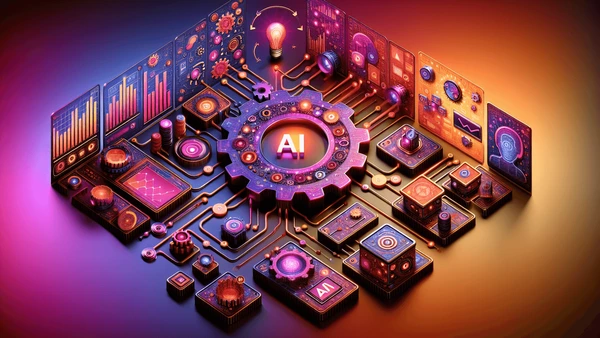
Artificial Intelligence (AI) has transformed the way websites interact with users, making experiences smarter, faster, and more personalized. AI-powered web applications integrate machine learning, natural language processing, and predictive models to automate decision-making and understand user behavior. These intelligent systems reduce manual effort and enable dynamic, real-time improvements based on user interactions.
One of the major advantages of AI in web apps is personalization. Instead of delivering the same content to every visitor, AI analyzes user preferences, location, browsing history, and actions to recommend relevant products, articles, or services. Popular examples include recommendation engines used by Amazon, Netflix, and e-commerce websites to boost engagement and conversions.
AI has also enabled powerful automation in customer support. Chatbots and virtual assistants can provide instant answers, handle repetitive queries, and guide users through processes like booking, payment, or troubleshooting. These intelligent bots operate 24/7, reducing customer wait time and lowering dependency on human agents.
Search functionality in web applications has matured significantly through AI. Search engines inside websites now understand intent rather than just keywords. They offer auto-suggestions, contextual results, and voice-enabled search features. AI also helps detect patterns to correct spelling mistakes and enhance content discoverability.
Security has become stronger with AI-driven threat detection. Web applications can monitor user actions in real time and identify suspicious behaviors such as unusual login attempts or fraudulent transactions. Machine learning systems continuously learn from new threats, offering a proactive security shield against cyber-attacks.
AI-powered analytics tools help businesses study customer journeys to improve user experience. Instead of manual data interpretation, AI extracts insights such as popular features, drop-off points, and future demands. These insights help developers and product teams make better design and marketing decisions.
AI is essential in accessibility improvements as well. Features like speech-to-text, text-to-speech, automatic captions, and image recognition empower people with disabilities to use web services independently. This supports global accessibility guidelines and offers a more inclusive digital environment.
In development workflows, AI tools assist programmers by automating testing, detecting code bugs, and suggesting improvements. IDEs like GitHub Copilot even generate code snippets based on natural language descriptions. This accelerates development speed and improves overall software quality.
The future of AI-powered web applications promises advanced capabilities like emotional recognition, autonomous decision-making, and deeply personalized user journeys. As AI continues to evolve, web apps will shift from being responsive systems to proactive digital assistants, offering tailored solutions before users even ask.
One of the major advantages of AI in web apps is personalization. Instead of delivering the same content to every visitor, AI analyzes user preferences, location, browsing history, and actions to recommend relevant products, articles, or services. Popular examples include recommendation engines used by Amazon, Netflix, and e-commerce websites to boost engagement and conversions.
AI has also enabled powerful automation in customer support. Chatbots and virtual assistants can provide instant answers, handle repetitive queries, and guide users through processes like booking, payment, or troubleshooting. These intelligent bots operate 24/7, reducing customer wait time and lowering dependency on human agents.
Search functionality in web applications has matured significantly through AI. Search engines inside websites now understand intent rather than just keywords. They offer auto-suggestions, contextual results, and voice-enabled search features. AI also helps detect patterns to correct spelling mistakes and enhance content discoverability.
Security has become stronger with AI-driven threat detection. Web applications can monitor user actions in real time and identify suspicious behaviors such as unusual login attempts or fraudulent transactions. Machine learning systems continuously learn from new threats, offering a proactive security shield against cyber-attacks.
AI-powered analytics tools help businesses study customer journeys to improve user experience. Instead of manual data interpretation, AI extracts insights such as popular features, drop-off points, and future demands. These insights help developers and product teams make better design and marketing decisions.
AI is essential in accessibility improvements as well. Features like speech-to-text, text-to-speech, automatic captions, and image recognition empower people with disabilities to use web services independently. This supports global accessibility guidelines and offers a more inclusive digital environment.
In development workflows, AI tools assist programmers by automating testing, detecting code bugs, and suggesting improvements. IDEs like GitHub Copilot even generate code snippets based on natural language descriptions. This accelerates development speed and improves overall software quality.
The future of AI-powered web applications promises advanced capabilities like emotional recognition, autonomous decision-making, and deeply personalized user journeys. As AI continues to evolve, web apps will shift from being responsive systems to proactive digital assistants, offering tailored solutions before users even ask.