
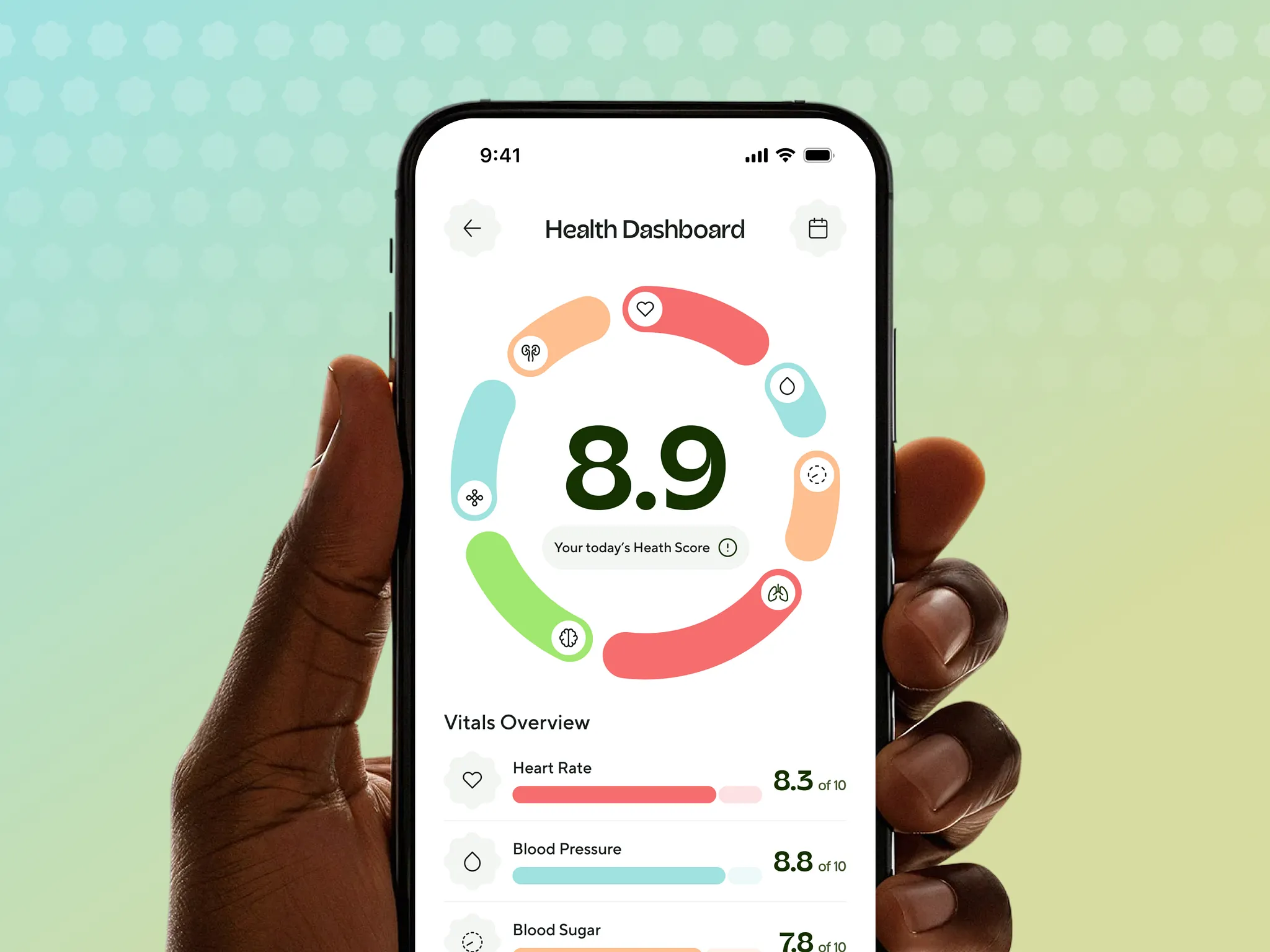
AI-based personal health monitoring apps use artificial intelligence to continuously track, analyze, and predict health conditions in real time. These applications go beyond basic fitness tracking by transforming raw health data into meaningful insights that support proactive and preventive healthcare. By leveraging AI, users receive personalized guidance tailored to their unique health profiles.
These apps collect data from multiple sources, including mobile sensors, wearable devices, and manual user inputs. Common data points include heart rate, sleep quality and duration, physical activity levels, calorie intake, hydration, and dietary habits. The integration of diverse data sources enables a holistic view of an individual’s health and daily routines.
Advanced AI algorithms analyze this data to identify trends, correlations, and deviations from normal patterns. By continuously monitoring changes, the system can detect early signs of potential health risks such as irregular heart activity, poor sleep quality, or prolonged inactivity. Early detection allows users to take corrective actions before issues escalate.
Personalized insights and recommendations are a core feature of AI-based health monitoring apps. Based on analyzed data, the app suggests lifestyle improvements such as adjusting sleep schedules, increasing physical activity, improving nutrition, or managing stress. These tailored recommendations make health management more actionable and relevant for each user.
Real-time alerts play a crucial role in encouraging timely intervention. When abnormal patterns or sudden changes are detected, the app can notify users immediately and recommend seeking medical advice if necessary. This responsiveness helps bridge the gap between daily health tracking and professional healthcare support.
Machine learning models enhance accuracy and reliability over time by learning from historical health data. As the system observes long-term patterns, it becomes better at distinguishing between normal variations and genuine health concerns. Continuous learning ensures that insights become more precise and personalized with ongoing use.
Data security and privacy are essential considerations in personal health monitoring applications. Sensitive health information must be protected through encryption, secure storage, and strict access controls. Many modern apps also use anonymization and on-device processing to further safeguard user data and maintain trust.
These applications strongly support preventive healthcare by promoting awareness and proactive health management. Instead of reacting to illness after it occurs, users are encouraged to maintain healthy habits and address risks early. This approach can reduce healthcare costs and improve long-term well-being.
Overall, AI-based personal health monitoring apps empower users to take control of their health through intelligent insights and continuous feedback. By combining technology, data, and personalization, these apps play a key role in shaping the future of digital healthcare and wellness.
These apps collect data from multiple sources, including mobile sensors, wearable devices, and manual user inputs. Common data points include heart rate, sleep quality and duration, physical activity levels, calorie intake, hydration, and dietary habits. The integration of diverse data sources enables a holistic view of an individual’s health and daily routines.
Advanced AI algorithms analyze this data to identify trends, correlations, and deviations from normal patterns. By continuously monitoring changes, the system can detect early signs of potential health risks such as irregular heart activity, poor sleep quality, or prolonged inactivity. Early detection allows users to take corrective actions before issues escalate.
Personalized insights and recommendations are a core feature of AI-based health monitoring apps. Based on analyzed data, the app suggests lifestyle improvements such as adjusting sleep schedules, increasing physical activity, improving nutrition, or managing stress. These tailored recommendations make health management more actionable and relevant for each user.
Real-time alerts play a crucial role in encouraging timely intervention. When abnormal patterns or sudden changes are detected, the app can notify users immediately and recommend seeking medical advice if necessary. This responsiveness helps bridge the gap between daily health tracking and professional healthcare support.
Machine learning models enhance accuracy and reliability over time by learning from historical health data. As the system observes long-term patterns, it becomes better at distinguishing between normal variations and genuine health concerns. Continuous learning ensures that insights become more precise and personalized with ongoing use.
Data security and privacy are essential considerations in personal health monitoring applications. Sensitive health information must be protected through encryption, secure storage, and strict access controls. Many modern apps also use anonymization and on-device processing to further safeguard user data and maintain trust.
These applications strongly support preventive healthcare by promoting awareness and proactive health management. Instead of reacting to illness after it occurs, users are encouraged to maintain healthy habits and address risks early. This approach can reduce healthcare costs and improve long-term well-being.
Overall, AI-based personal health monitoring apps empower users to take control of their health through intelligent insights and continuous feedback. By combining technology, data, and personalization, these apps play a key role in shaping the future of digital healthcare and wellness.