
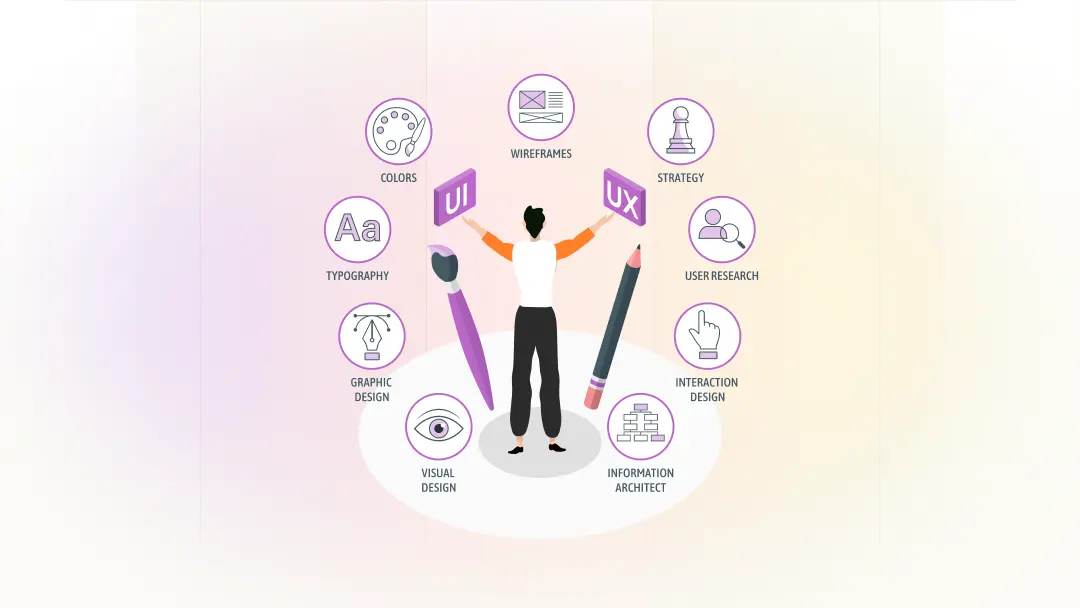
Advanced UX research focuses on uncovering deep insights into user behavior, motivations, and pain points to inform meaningful design decisions. It goes beyond basic surveys and usability tests to understand how users interact with products in real-world contexts. By applying advanced research methods, designers can uncover hidden needs and create experiences that truly resonate with users.
The topic introduces qualitative research methods such as in-depth interviews, contextual inquiries, and observational studies. These approaches help capture user emotions, attitudes, and experiences that are difficult to quantify. Qualitative insights provide rich context and reveal why users behave the way they do.
Quantitative research techniques are explored to analyze user behavior at scale. Methods such as analytics analysis, surveys, and statistical testing help identify patterns, trends, and correlations. Quantitative data complements qualitative insights by validating findings across larger user groups.
Ethnographic research is highlighted as a powerful way to observe users in their natural environments. By studying users in real-life settings, designers can identify unmet needs, workarounds, and pain points that users may not articulate directly. This method helps uncover deeper behavioral insights that influence design choices.
Diary studies and longitudinal research methods provide a long-term view of user behavior and habits. Participants record their experiences over time, allowing researchers to understand how needs and usage patterns evolve. These insights are especially valuable for products used regularly or over extended periods.
The course emphasizes the importance of research planning and clearly defined objectives. Well-structured research ensures that time and resources are used effectively and that findings are relevant to design goals. Clear objectives lead to actionable insights that directly inform product decisions.
Synthesizing research findings into artifacts such as personas, journey maps, and experience frameworks helps teams align around user needs. These tools translate research insights into shared understanding and guide design and development efforts. Effective synthesis ensures that insights are accessible and actionable across teams.
Ethical considerations are woven throughout the research process to ensure respectful, inclusive, and unbiased practices. Protecting participant privacy, avoiding harm, and minimizing bias are essential for trustworthy research. Overall, this topic enables designers to make confident, evidence-based design decisions grounded in a deep understanding of users.
The topic introduces qualitative research methods such as in-depth interviews, contextual inquiries, and observational studies. These approaches help capture user emotions, attitudes, and experiences that are difficult to quantify. Qualitative insights provide rich context and reveal why users behave the way they do.
Quantitative research techniques are explored to analyze user behavior at scale. Methods such as analytics analysis, surveys, and statistical testing help identify patterns, trends, and correlations. Quantitative data complements qualitative insights by validating findings across larger user groups.
Ethnographic research is highlighted as a powerful way to observe users in their natural environments. By studying users in real-life settings, designers can identify unmet needs, workarounds, and pain points that users may not articulate directly. This method helps uncover deeper behavioral insights that influence design choices.
Diary studies and longitudinal research methods provide a long-term view of user behavior and habits. Participants record their experiences over time, allowing researchers to understand how needs and usage patterns evolve. These insights are especially valuable for products used regularly or over extended periods.
The course emphasizes the importance of research planning and clearly defined objectives. Well-structured research ensures that time and resources are used effectively and that findings are relevant to design goals. Clear objectives lead to actionable insights that directly inform product decisions.
Synthesizing research findings into artifacts such as personas, journey maps, and experience frameworks helps teams align around user needs. These tools translate research insights into shared understanding and guide design and development efforts. Effective synthesis ensures that insights are accessible and actionable across teams.
Ethical considerations are woven throughout the research process to ensure respectful, inclusive, and unbiased practices. Protecting participant privacy, avoiding harm, and minimizing bias are essential for trustworthy research. Overall, this topic enables designers to make confident, evidence-based design decisions grounded in a deep understanding of users.