
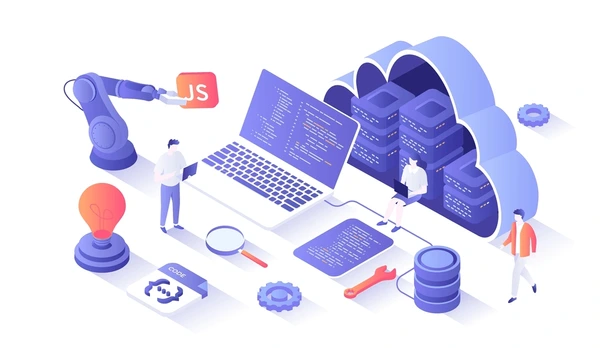
Advanced backend engineering focuses on building powerful, scalable, and secure server-side applications that can support complex business logic and high user demand. It goes beyond basic API development by addressing real-world challenges such as performance optimization, reliability, and system stability. A strong backend foundation ensures that applications remain responsive, secure, and maintainable as they grow.
The course covers advanced API design principles that help create long-lasting and adaptable backend services. Topics such as API versioning, pagination, and backward compatibility are explored to ensure smooth evolution of services without breaking existing clients. Well-designed APIs improve developer experience and make backend systems easier to extend over time.
Authentication and authorization mechanisms are examined in detail to protect backend resources from unauthorized access. Secure token management, session handling, and role-based access control help enforce proper permissions across the system. These practices ensure that users and services can only access data and operations they are authorized to use.
Asynchronous processing and background job handling are introduced to manage time-consuming or resource-intensive tasks efficiently. By offloading operations such as email sending, data processing, or report generation to background workers, applications remain fast and responsive. This approach significantly improves user experience and system throughput.
Database performance optimization is a critical aspect of advanced backend engineering. Learners explore indexing strategies, query optimization techniques, and efficient data modeling practices that reduce latency and improve scalability. Proper database design ensures that systems can handle growing data volumes without performance degradation.
Backend services must be designed to handle high traffic reliably and consistently. Techniques such as rate limiting, request throttling, and intelligent load distribution help protect systems from overload and abuse. These strategies ensure stable performance even during traffic spikes or unexpected usage patterns.
Error handling and logging are essential for maintaining and monitoring backend systems in production environments. Structured error handling, meaningful log messages, and centralized logging systems improve observability and speed up issue resolution. Effective logging enables teams to identify problems quickly and maintain system health.
Security best practices are integrated throughout backend development to minimize vulnerabilities and strengthen trust. From secure data handling to protection against common attacks, these measures safeguard both users and infrastructure. By mastering advanced backend engineering, developers gain the skills to build reliable, high-performance services that power modern, high-traffic applications.
The course covers advanced API design principles that help create long-lasting and adaptable backend services. Topics such as API versioning, pagination, and backward compatibility are explored to ensure smooth evolution of services without breaking existing clients. Well-designed APIs improve developer experience and make backend systems easier to extend over time.
Authentication and authorization mechanisms are examined in detail to protect backend resources from unauthorized access. Secure token management, session handling, and role-based access control help enforce proper permissions across the system. These practices ensure that users and services can only access data and operations they are authorized to use.
Asynchronous processing and background job handling are introduced to manage time-consuming or resource-intensive tasks efficiently. By offloading operations such as email sending, data processing, or report generation to background workers, applications remain fast and responsive. This approach significantly improves user experience and system throughput.
Database performance optimization is a critical aspect of advanced backend engineering. Learners explore indexing strategies, query optimization techniques, and efficient data modeling practices that reduce latency and improve scalability. Proper database design ensures that systems can handle growing data volumes without performance degradation.
Backend services must be designed to handle high traffic reliably and consistently. Techniques such as rate limiting, request throttling, and intelligent load distribution help protect systems from overload and abuse. These strategies ensure stable performance even during traffic spikes or unexpected usage patterns.
Error handling and logging are essential for maintaining and monitoring backend systems in production environments. Structured error handling, meaningful log messages, and centralized logging systems improve observability and speed up issue resolution. Effective logging enables teams to identify problems quickly and maintain system health.
Security best practices are integrated throughout backend development to minimize vulnerabilities and strengthen trust. From secure data handling to protection against common attacks, these measures safeguard both users and infrastructure. By mastering advanced backend engineering, developers gain the skills to build reliable, high-performance services that power modern, high-traffic applications.